
Those Little Deer Whistles on Your Bumper Promise a Lot. What Have Tests Found?
by AutoExpert | 7 October, 2026
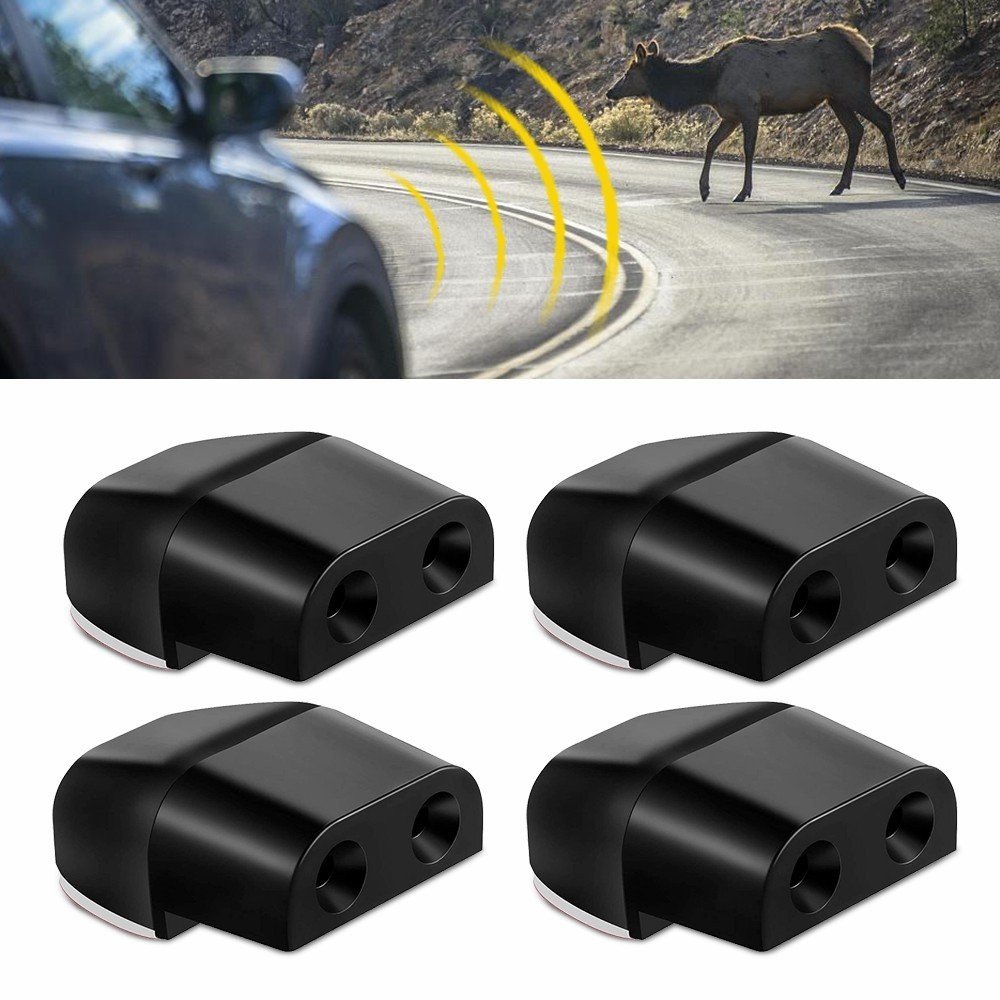
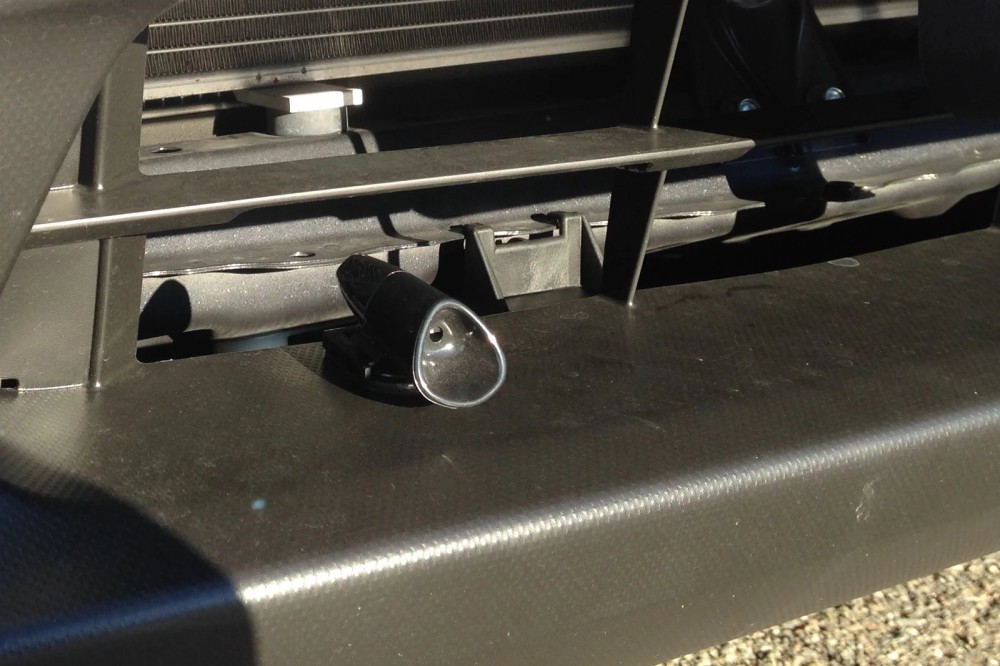
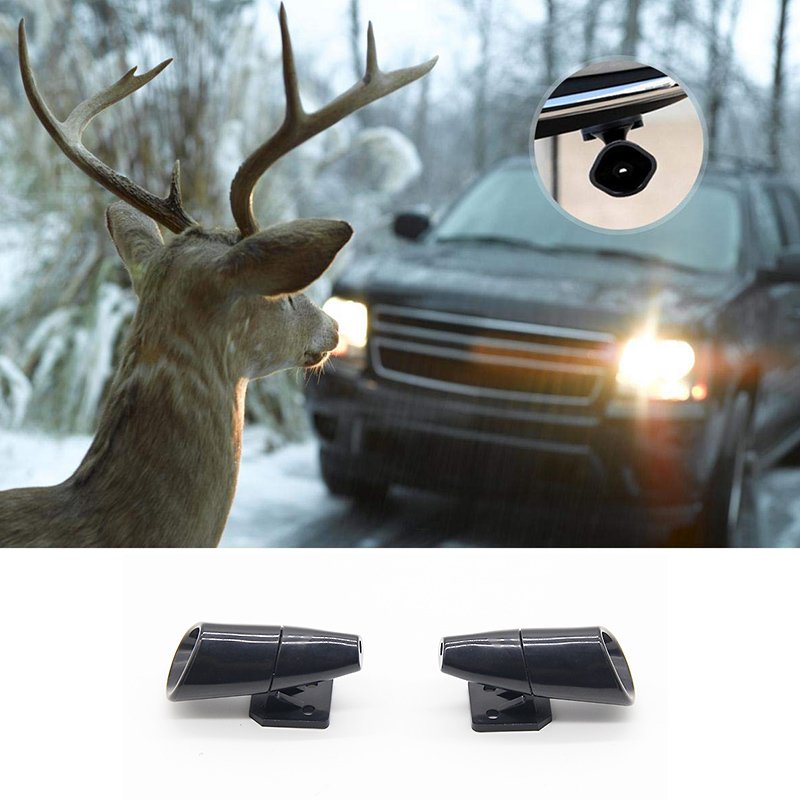
Deer whistles offer a particularly appealing bargain. Attach a small device to the front of the car and, supposedly, the air passing through it will warn animals before you reach them. There is no screen to watch or switch to remember. The protection is meant to happen quietly in the background.
For someone who regularly drives past woodland after dark, that is an easy idea to like. It also leaves a rather important question unanswered: what does a deer actually do when it hears the warning?
The available research gives drivers little reason to count on a whistle preventing a collision. Indiana’s Department of Natural Resources explicitly advises motorists not to rely on them. That advice is more useful than assuming the gadget must help because it makes a sound humans cannot hear.
Making a noise is the easier part
The simple air-powered versions use the vehicle’s movement to produce sound. Claims about that sound often involve the word “ultrasonic,” but a label on the packaging does not establish what reaches an animal beside a road.
A 2003 acoustic study tested six whistles both in the laboratory and on vehicles. It measured their output at road speeds and compared the findings with what was known about white-tailed deer hearing. Among the concerns was whether the whistle could be distinguished from the noise of the approaching vehicle. The tested devices did not all produce the same frequencies, either. The research is considerably more complicated than the usual sales pitch.
Even a clearly audible whistle would only complete the first part of the argument. To prevent a crash, the sound would need to prompt a useful response, early enough to matter. An animal noticing a car and an animal moving safely out of its path are different outcomes.
Researchers examined that second question in a study published in the Journal of Wildlife Management in 2009. They used a moving vehicle equipped with speakers to deliver five sound treatments within white-tailed deer’s documented hearing range. The behavior of free-ranging deer near the road did not change in response to the treatments. The authors concluded that whistles emitting similar sounds were unlikely to alter behavior in a way that would prevent collisions.
That experiment tested controlled sounds, rather than every whistle sold in an accessories aisle. Its value is that it challenged the assumption beneath the product: hearing a warning does not automatically make a deer cooperate.
An owner’s account of years without a collision cannot resolve the question, either. There is no way to know from that experience whether the whistle changed anything. Plenty of vehicles without them also complete those journeys without hitting an animal.
For a driver who already has a pair fitted, the important adjustment is to give them no credit when choosing a speed or judging the road ahead. Indiana DNR’s advice emphasizes alertness, particularly when deer are active, and ordinary safe driving practices.
The gadget may cost very little. The assumption that it has made a dark rural road safer is the part to be careful with.