Your Car Has Hidden Vents Behind the Bumper, and Even the Doors Depend on Them
by AutoExpert | 10 August, 2026
Close a car door with every window shut and the air inside has to go somewhere.
The door pushes a substantial volume of air into an already sealed cabin. Without an escape route, pressure builds for a split second and pushes back. The door may bounce off its latch, require an undignified second slam or suddenly close more easily when a window is cracked open.
Cars handle this little problem through a set of vents most owners will never see.
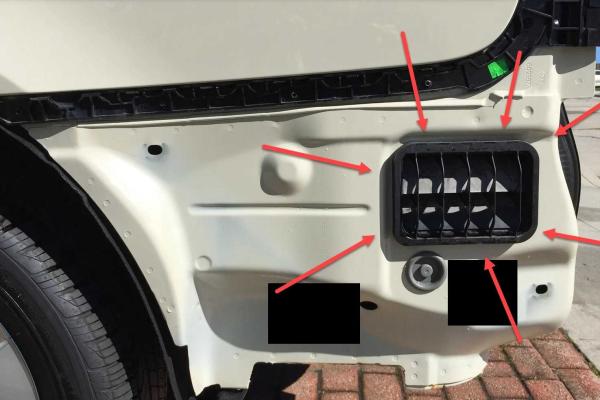
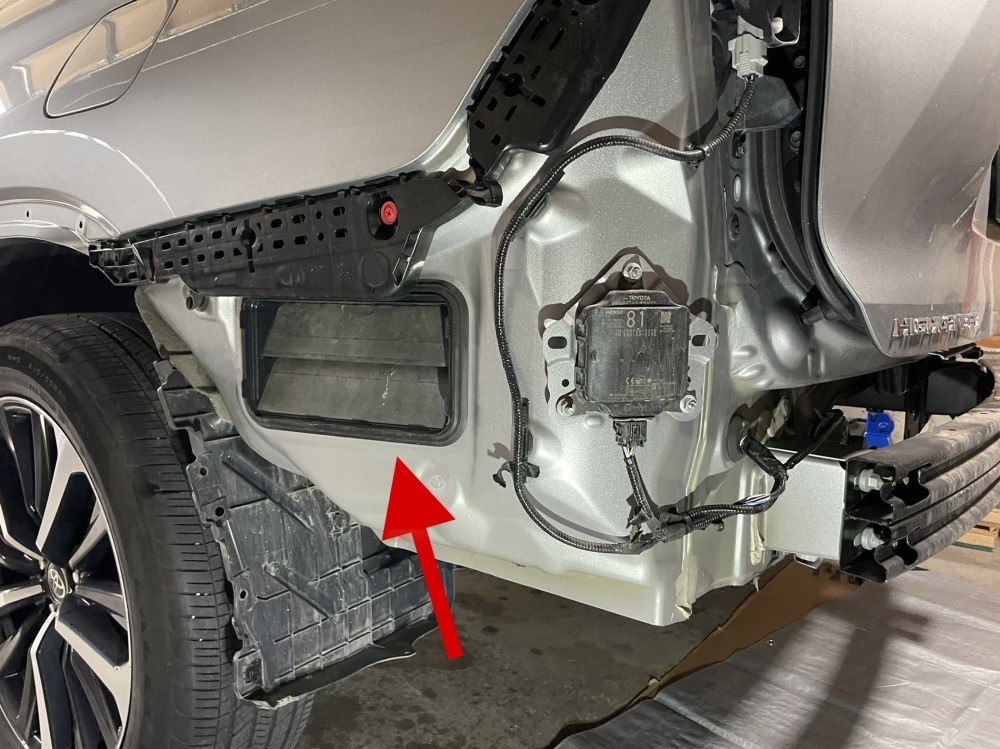
They are generally hidden behind the rear bumper, quarter-panel trim or luggage-compartment lining. From the outside, they look like plastic grilles fitted with lightweight rubber flaps. Air can push the flaps outward and leave the cabin, while the flaps close again to discourage water, road dust and exhaust fumes from finding their way back inside.
They have several jobs, and making the doors feel satisfyingly solid is only the beginning.
The climate system needs somewhere to send the air
Switch the ventilation system to fresh-air mode and the blower begins pulling outside air into the cabin. Unless an equal amount can leave, the interior gradually becomes pressurized and airflow through the vents suffers.
The hidden extractors provide that exit. Air enters through the climate system, moves through the cabin and escapes near the rear of the vehicle. This circulation helps the heater, air conditioner and windshield demister work as intended.
The same valves react when a door or trunk lid closes. The sudden pressure pulse lifts their flexible flaps, allowing the displaced air to leave instead of fighting the closing door.
Automotive supplier ITW describes modern pressure-relief valves as a way to reduce closing effort while also supporting the vehicle’s ventilation system. A small component hidden behind trim can therefore influence how expensive the entire car feels. Buyers may never compliment an effective air extractor, but they will certainly notice a door that needs slamming twice.
Why an open window can create that painful thumping noise
Lower one window at speed and the cabin can begin producing a deep, rhythmic booming. It feels less like wind noise and more like someone testing a bass drum beside the driver’s ear.
This is commonly called wind buffeting. Air entering and leaving through the open window creates pressure waves inside the cabin. Opening another window slightly often interrupts the pattern and stops the pulsing almost immediately.
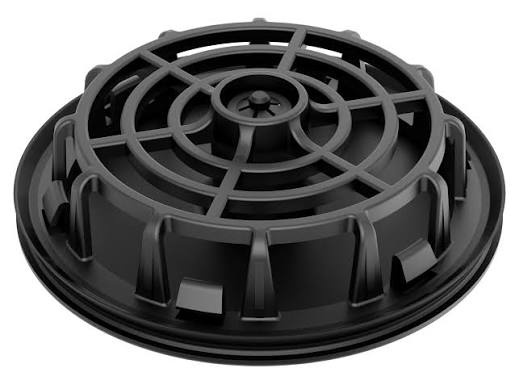
The pressure-relief vents can influence that behavior too. General Motors issued a service bulletin for vehicles in which the original vent-flap design contributed to buffeting and rear-cabin rattling. The remedy involved fitting valves with a revised four-flap design.
A light tapping noise behind the rear trim when a door closes may simply be the vent flaps moving. Persistent rattling while driving, however, can mean a flap has become distorted, loose or contaminated.
What happens when a vent is damaged?
A valve stuck closed can make doors harder to latch with the windows up. Ventilation performance may also feel weaker, particularly when the climate system is drawing in fresh air.
A valve stuck open creates a different collection of annoyances. Road noise may increase. Dust or water can enter behind the rear trim. Exhaust odor can become noticeable inside the cabin, especially while idling or driving slowly with air currents circulating around the back of the car.
An odor should never be dismissed as a quirky vent problem. Exhaust entering the cabin can expose occupants to carbon monoxide, so the vehicle needs prompt inspection.
The vents can also be disturbed during accident repairs, bumper replacement, audio installation or work inside the luggage compartment. A rubber flap may be folded inward, a housing may fail to seal against the body or insulation may be fitted across the cabin-side airflow path.
These parts are rarely accessible without removing trim or loosening the rear bumper. Taping them shut may quiet a rattle temporarily, but it also defeats their intended function. Any improvised fix that blocks the air path simply exchanges one symptom for another.
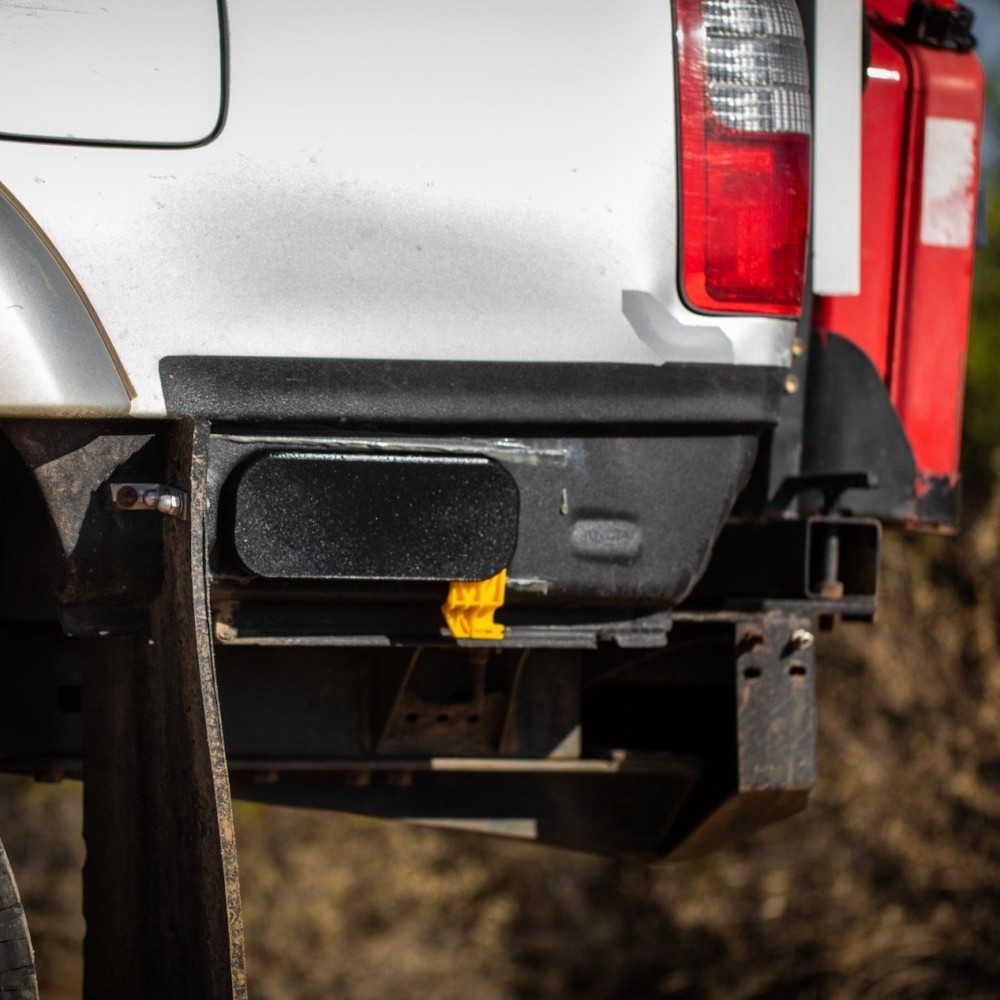
Packing the trunk tightly is unlikely to seal the valves directly because interior trim usually preserves an airflow route. Still, visible grilles or openings in luggage-compartment panels should remain unobstructed.
The next time a car door closes neatly with a gentle push, part of the credit belongs to a few rubber flaps working in darkness behind the bumper. Glamorous engineering receives the photographs. Good engineering quietly lets the air out.