Your Car Has a Clutch. That Doesn’t Mean You Can Push-Start It
by AutoExpert | 5 October, 2026
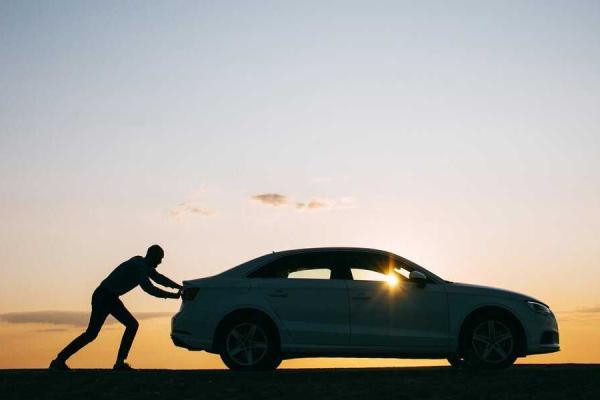
There was a time when a dead battery in a manual car meant looking around for two people willing to help. One took the wheel, the others pushed, and with a little speed and a well-timed release of the clutch, the engine spluttered into life. It was hard work, especially for the people outside the car, but the idea was straightforward: let the wheels turn the engine when the starter motor couldn’t.
That principle has not changed. The cars have.
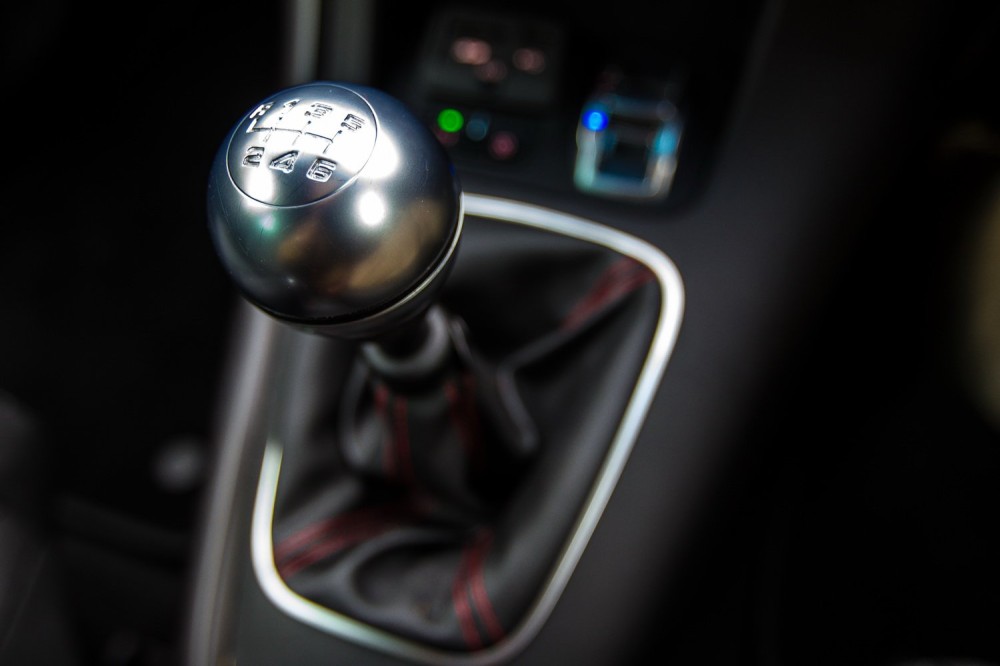
A manual transmission still gives the wheels a mechanical path to the engine. It does not tell you whether the car’s electronics will let the engine start, or whether its manufacturer considers a bump start possible in the first place. For a surprisingly clear example, look at the 2025 Toyota GR Corolla owner’s manual. The GR Corolla was available with a manual gearbox, yet Toyota says its engine cannot be started by push-starting when the battery is discharged.
That is why advice from someone who successfully bump-started an older hatchback may be useless for the car sitting in your driveway. Keyless ignition, electronic parking brakes and other modern systems can complicate an already awkward job. The AA’s guidance says vehicles with those features are unlikely to be suitable, and recommends checking the particular car before attempting it.
The reason the engine will not start matters just as much. If you turn the key or press the start button and hear the engine cranking at its usual speed, pushing the car is unlikely to help. The starter is already doing the part the rolling wheels would do. Whatever is keeping the engine from firing still needs to be found. A push start is only worth considering when you are confident the problem is a weak battery or failed starter, and the car’s manual permits the method.
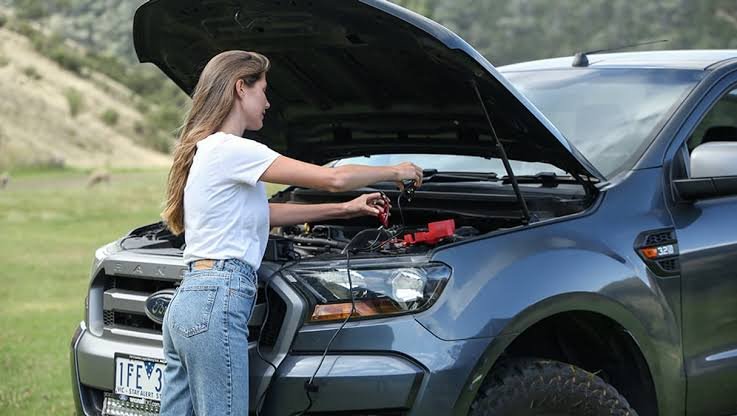
Even then, consider where the car is. Trying to coordinate a clutch release while a vehicle rolls toward traffic is a poor way to diagnose a starting problem. If the engine stays off, the driver must still bring the car to a stop, potentially with reduced brake assistance. A jump pack or roadside assistance is usually the easier answer to a flat battery.
The old trick still works on some manual cars. Before recruiting anyone to push, though, open the owner’s manual. It can settle the question much faster than a run across the car park.