That Cheap Ex-Police Car Has a History the Odometer Cannot Tell You

by AutoExpert | 6 October, 2026
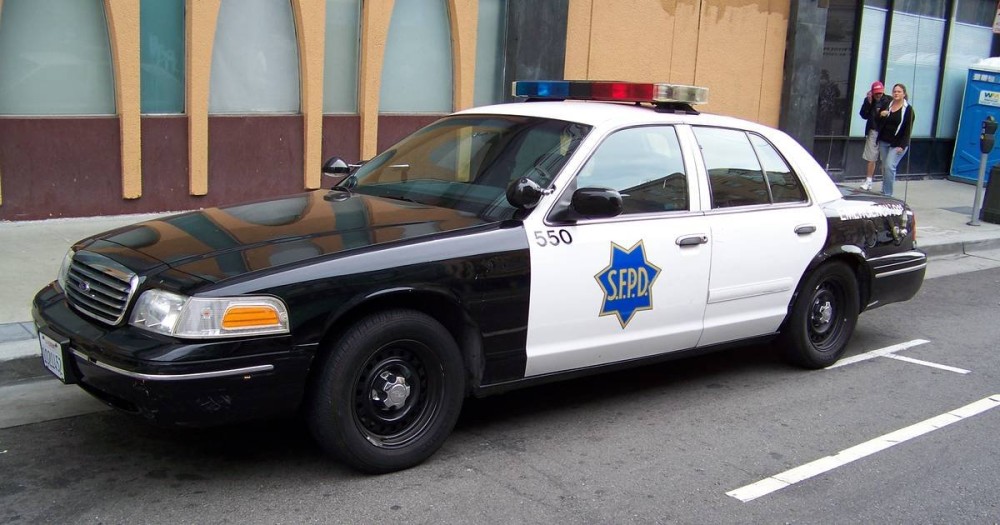
A retired police car can make an ordinary used-car listing look expensive. There is plenty of room, a purposeful set of steel wheels and the promise of hardware built for a harder life than the school run. The missing center console seems manageable. So do a few holes where the equipment used to be.
Then comes the mileage, which may look reassuring enough to make the whole thing feel like a bargain.

Before bidding, find out how long the engine ran while the car went nowhere. A patrol vehicle can spend a considerable part of its working life stationary, with electrical equipment and cabin systems still operating. The odometer records distance. It has nothing to say about those hours.
Ford specifically discusses prolonged idling to support radios, lights, computers and other equipment in its Police Interceptor information. For a used-car buyer, that makes the hour display worth considerably more attention than the remaining outline of a police decal.
The number beside the mileage matters
First establish which number the vehicle actually provides. Total engine hours and idle hours describe different things. Total hours include time spent driving; an idle counter measures a defined subset of engine operation. The manufacturer’s instructions explain what a particular counter records.
In its 2016 Police Interceptor Utility manual, Ford describes an idle meter that accumulates time in Park or Neutral. It also explains why this matters for servicing: engine oil continues to deteriorate during idling, even though the odometer is standing still.
That manual uses 33 miles per idle hour when calculating an oil-change interval. It is a maintenance allowance for that application. Multiplying a retired cruiser’s idle hours by 33 does not reveal its secret “true mileage,” nor does it tell you precisely how much life remains in the transmission, suspension or engine.
The distinction matters because a stationary car is using some components while barely using others. Its engine may have worked for hours without the wheels turning. A single converted mileage figure flattens that history into a certainty the calculation cannot support.
Ask for the actual maintenance records instead. Do the oil services reflect its duty cycle? What repairs were carried out before disposal? Can the seller explain its assignment? Two cars from the same fleet may have spent their days doing very different jobs.
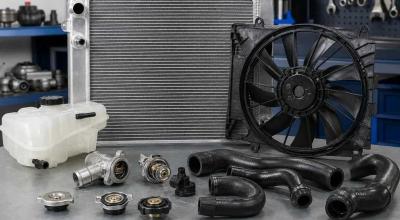
Police specification deserves a similarly careful look. Ford describes cooling and other durability provisions designed for demanding service. Those features are useful, but they do not establish the condition of an individual auction car. Heavy-duty equipment can still need expensive repairs. Ford’s durability guide is useful for understanding the original specification, rather than judging the example in front of you.
Look closely at what was taken out
Decommissioning deserves its own inspection. Radios, lighting equipment and mounting brackets have to be removed, leaving a second history beneath the trim.
Have a mechanic check how accessory wiring was disconnected and whether remaining cables are secured and insulated. Inspect holes in the roof or body for proper sealing. A neatly cleaned interior can make these details easy to miss, especially when an empty space between the seats draws all the attention.
Price the missing everyday equipment before deciding it is trivial. Depending on the vehicle, replacing interior pieces or restoring particular door functions may involve more than finding one part online. Verify the locks, windows, climate control and anything else you expect a normal family car to do.
The mechanical inspection still needs to cover the usual expensive suspects: leaks, cooling-system condition, brakes, steering, suspension and drivetrain behavior. Check that the tires match the vehicle’s requirements, too. An auction description is a poor substitute for getting the car on a lift and, where possible, driving it.
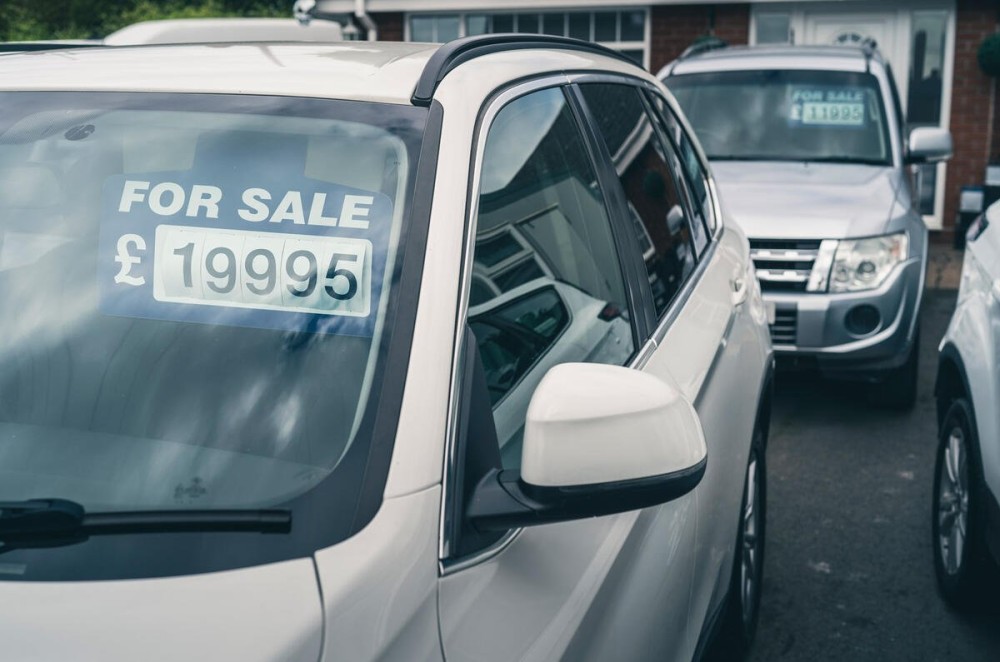
There is no useful universal cutoff at which an ex-police car becomes a bad purchase. Its price, records, condition and intended use have to agree with one another. A documented car with substantial hours can be easier to judge than a lower-mileage example whose working life is a mystery.
Get the hour reading and inspection before the bargain becomes yours. It is much nicer to discover why a car was cheap while somebody else still owns it.