Turns Out Most Drivers Didn’t Want an EV. They Wanted a Hybrid.
by AutoExpert | 1 April, 2026
A few years ago, the car industry seemed completely sure of itself. EVs were the future, end of story. Every brand had a big electric promise. Every launch felt like a warning that gas cars were on borrowed time. If hybrids came up at all, they were treated like a halfway step people would quickly move past.
That is not what happened.
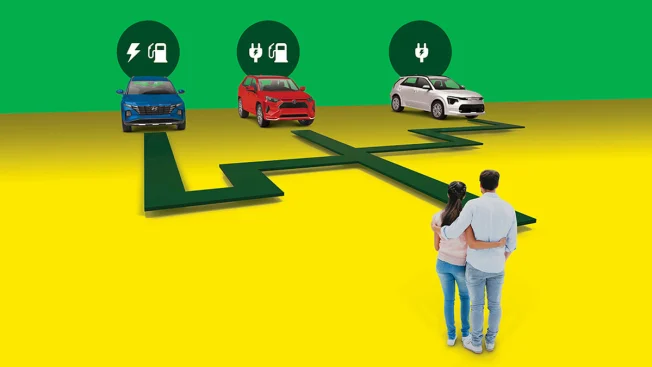
Instead, a lot of buyers looked at the options, looked at their lives, and landed somewhere much less dramatic. They bought hybrids.
And honestly, it is not hard to see why.
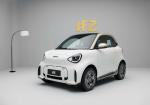
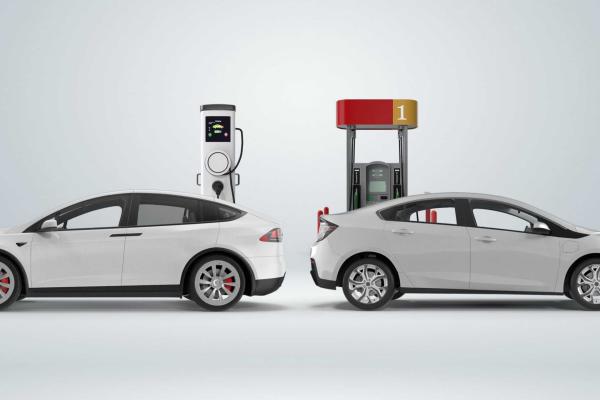
Electric cars make a ton of sense for some people. If someone owns a home, can charge overnight, and mostly drives the same kinds of routes every week, an EV can be great. It is quiet, smooth, cheap to run day to day, and once a person gets used to never stopping for gas, it is easy to see the appeal.
But a lot of people do not live in that version of the world.
They rent. They share parking. They drive farther than expected. They take road trips a few times a year and do not want to think about chargers, apps, broken stations, or whether a stop will take 15 minutes or 45. They are not anti-EV. They just do not want their car to become something they have to plan around.
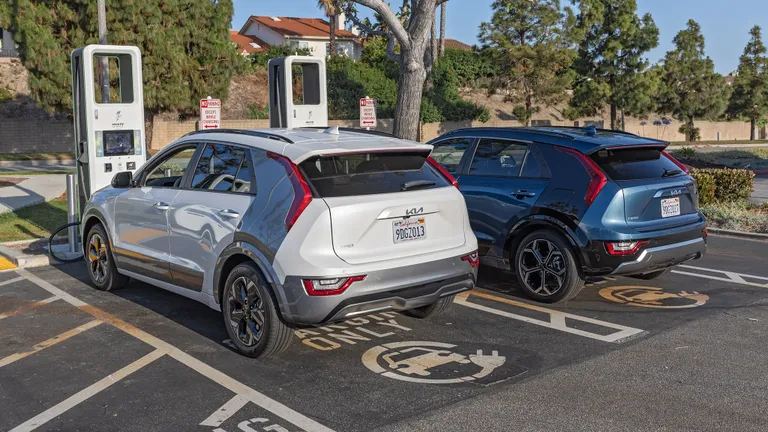
That is where hybrids have quietly cleaned up.
A hybrid asks almost nothing new from the driver. It just slips into normal life. Better gas mileage, fewer fuel stops, less guilt, no real lifestyle adjustment. There is something very persuasive about that. It feels like progress without inconvenience, and for a lot of people, that is exactly the sweet spot.
Money matters too, maybe more than the industry wanted to admit. EV prices have come down, yes, but they still tend to live in the more expensive part of the market. A hybrid often feels easier to justify. It gives buyers some of the upside of electrification without making the monthly payment feel like a statement piece.
That does not mean EVs are not good. They are. In the right situation, they are genuinely excellent. For someone with home charging and a predictable routine, a fully electric car can be the best thing on the road. Lower running costs, less maintenance, quick acceleration, quieter driving, all of that is real.
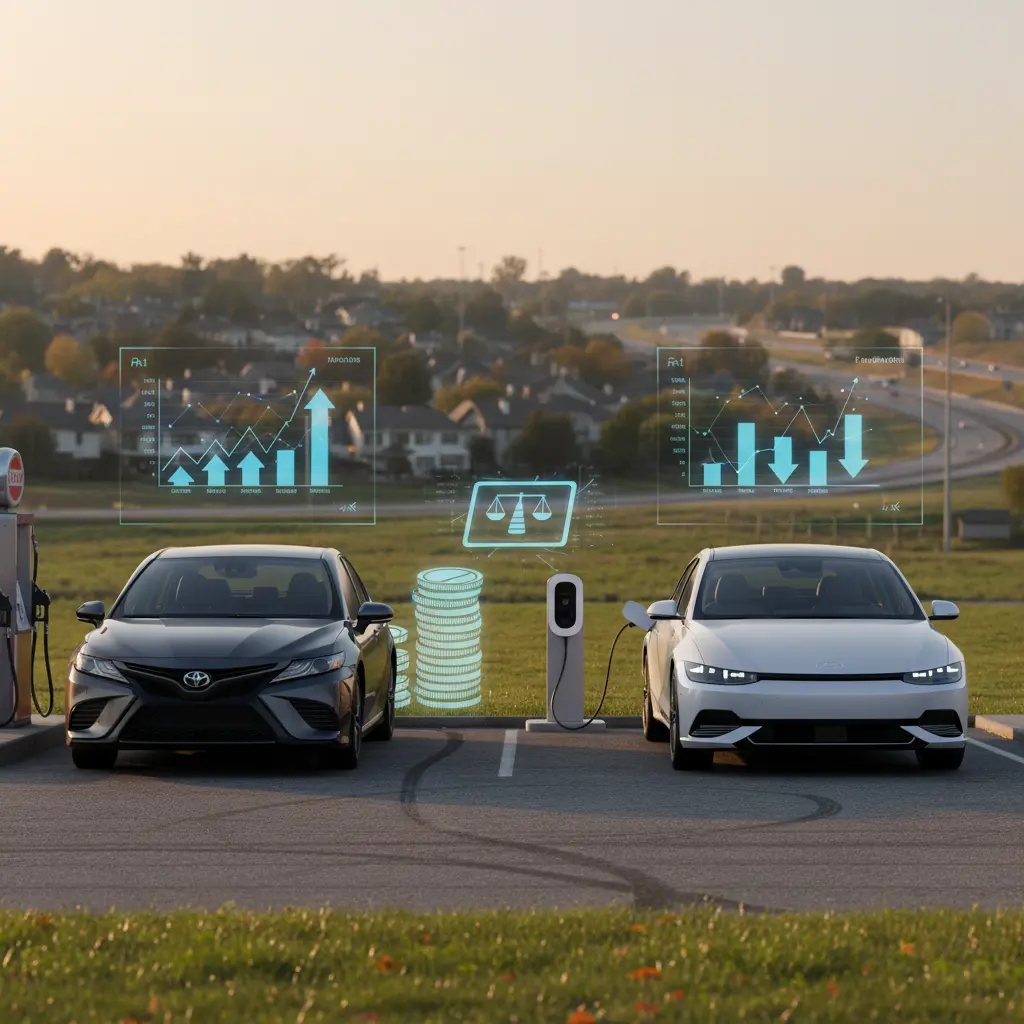
But what 2026 has made clear is that the car market is not driven by hype for very long. People buy what fits their real life. Not their ideal life. Not the life imagined in an automaker commercial. Their actual one.
And in actual life, hybrids have turned out to be a lot more appealing than the industry expected.
So the question is not really whether EVs are the future. They probably are, at least in some form. The more immediate story is that hybrids became the answer for people who wanted something cleaner and more efficient, but were not interested in reorganizing their routines to get there.
That is why they are winning. Not because they are exciting. Because they make life easier.