These Wheels Became More Famous Than the Cars They’re On
by AutoExpert | 25 March, 2026
Some cars are remembered for their engines. Others for their shape. But every now and then, it is the wheels that people never forget.
Car design is funny like that. You can have a beautiful body, great proportions, and the right color, but if the wheels miss the mark, something feels off. And then there are those rare cases where the opposite happens. The wheels just work so well that they become part of the car’s identity.
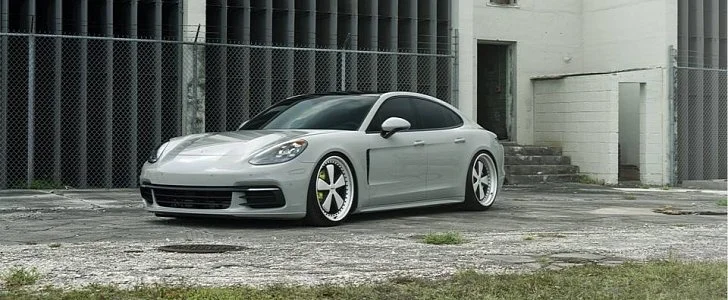
Take Porsche, for example. Over the years, certain wheel designs have stuck with people just as much as the cars themselves. The older Fuchs wheels are a classic case. Clean, simple, lightweight, and still instantly recognizable decades later. Then came the so-called “lobster claw” wheels on the 911 Carrera S. Not everyone loved them at first, but they aged surprisingly well and built a loyal following.
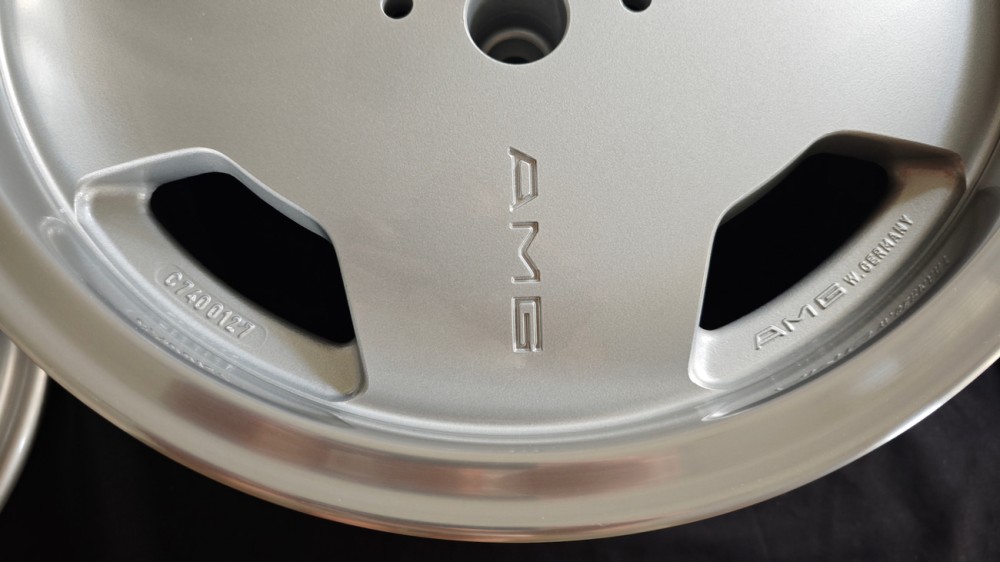
Mercedes had its moment, too. The AMG Monoblock wheels from the 80s are about as simple as it gets, but that is exactly why they worked. One solid piece, no unnecessary complexity, just a design that matched the bold, slightly aggressive look of AMG cars at the time.
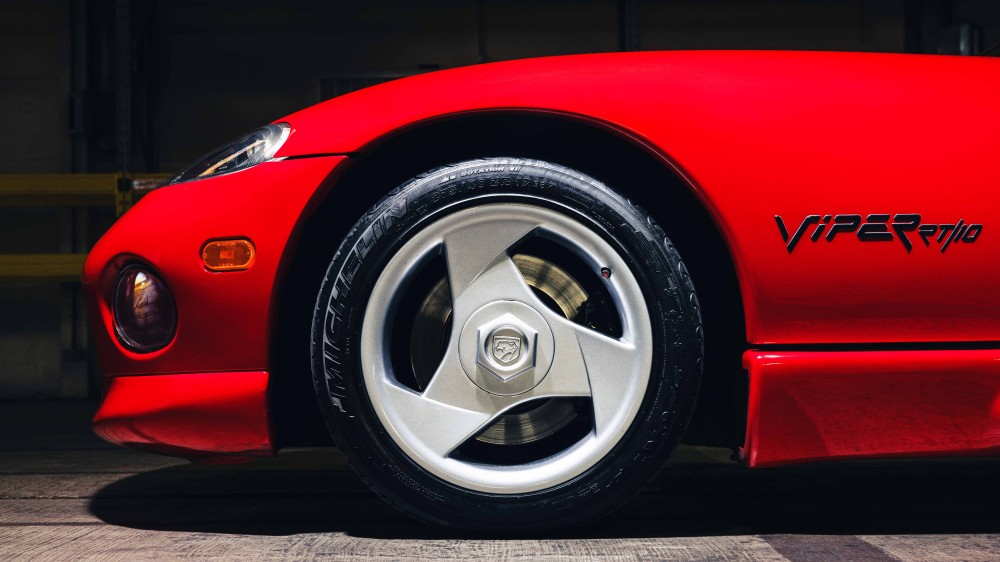
And then there are the unusual ones that should not work but somehow do. The Dodge Viper’s three-spoke wheels are a perfect example. On most cars, that design would look odd. On the Viper, it became part of the car's overall attitude. Raw, different, a little unpolished.
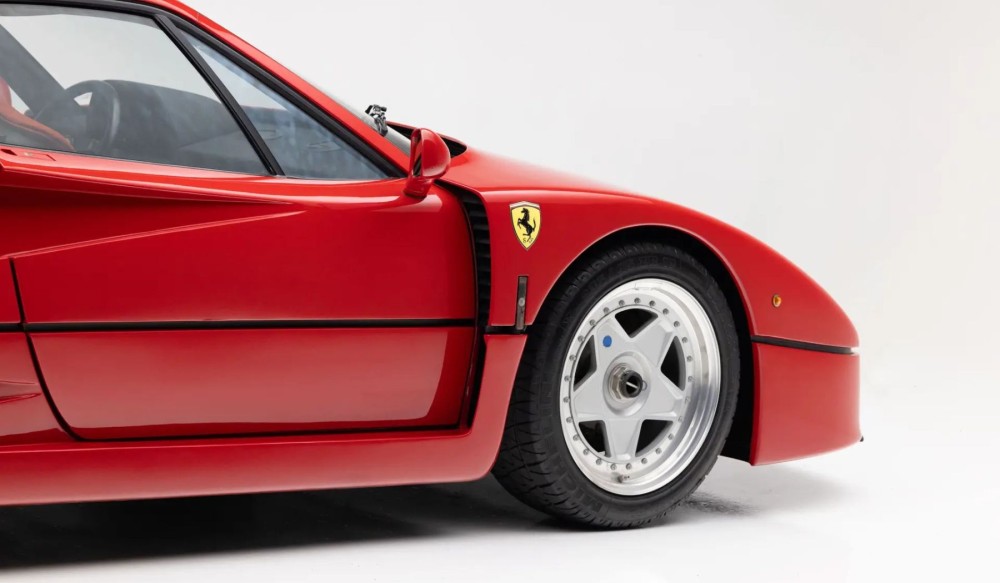
Ferrari, of course, kept things elegant. The F40’s split-rim Speedline wheels are not overly complicated, but they fit the car perfectly. Wide, purposeful, and just aggressive enough without trying too hard.
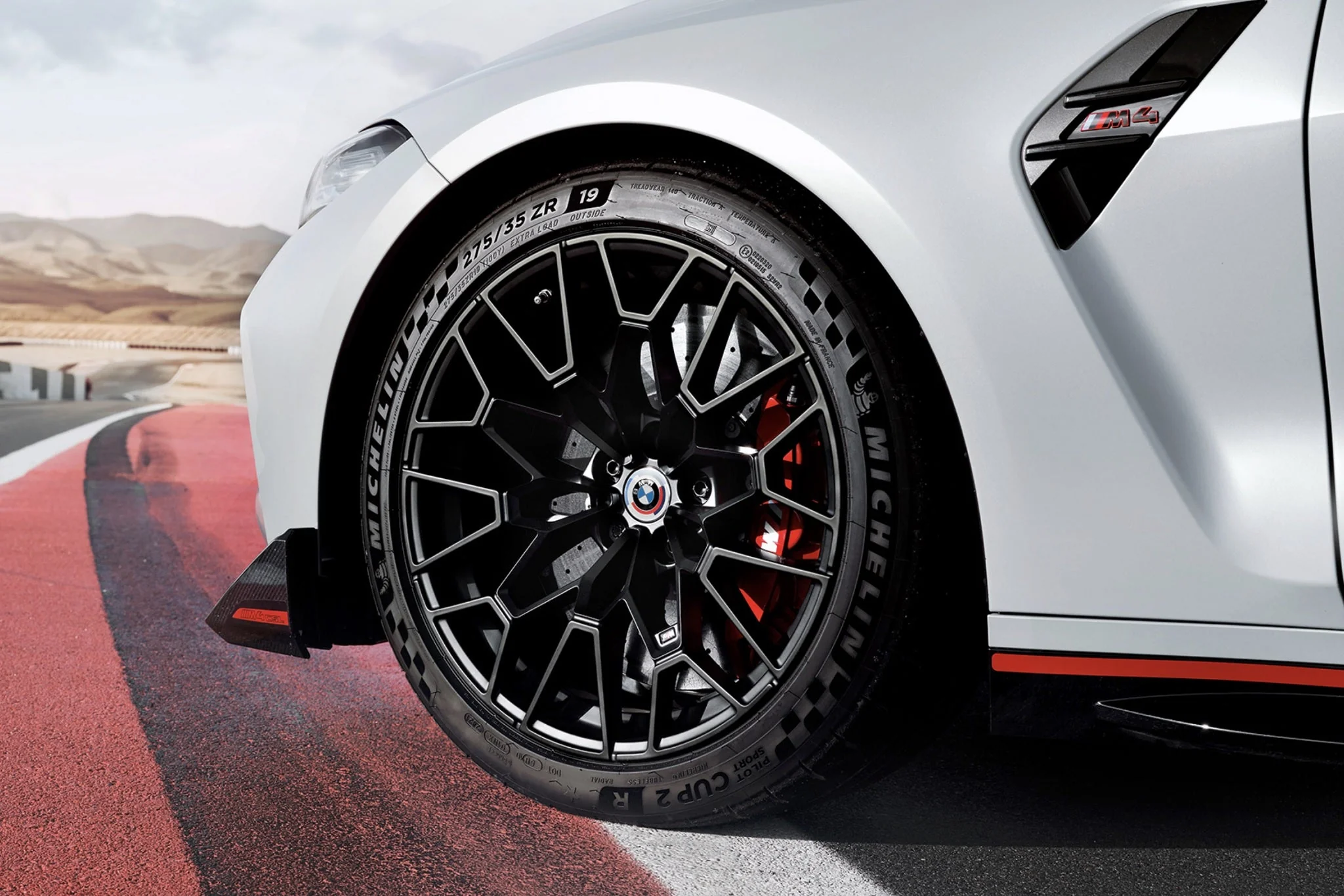
BMW has its own list of hits. The M1’s wheels leaned into that wedge-shaped, late-70s supercar look, while later designs like the M3 CSL’s Y-spoke wheels balanced performance and style in a way that still holds up today.
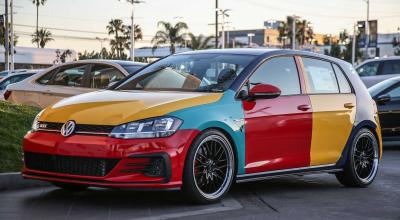
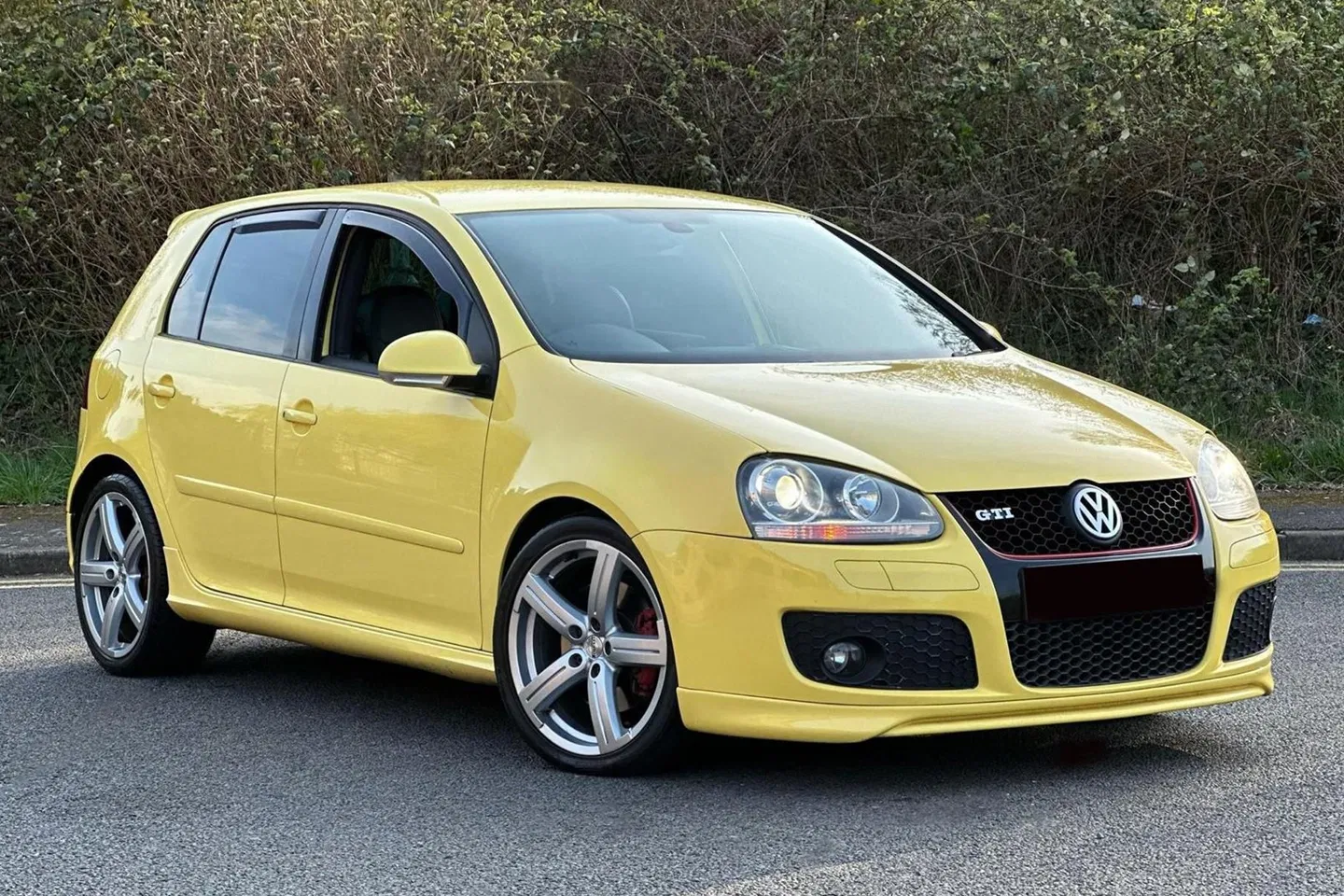
Even more everyday cars had their moment. The Volkswagen Golf GTI Pirelli Edition came with those simple “P-slot” wheels that quietly became iconic. Nothing flashy, just a design that stuck.
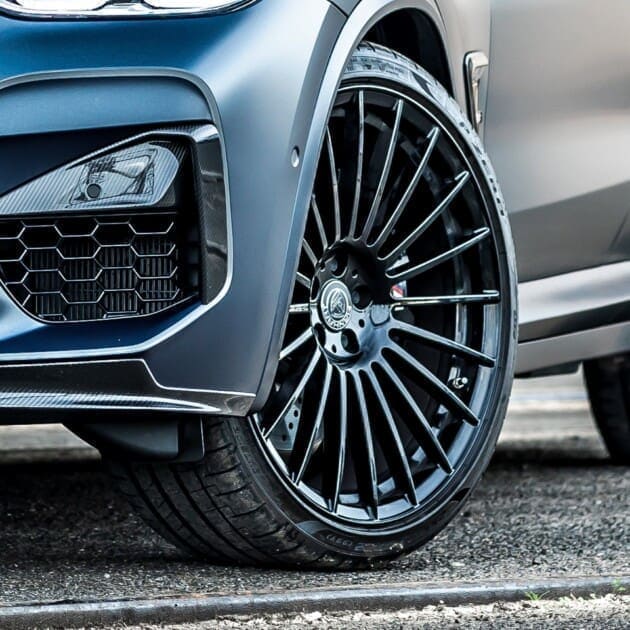
And then there are brands like Alpina, where the wheels are almost part of the logo. Those multi-spoke designs instantly tell you what you are looking at, even before you notice the rest of the car.
That is really the point. Most wheels get swapped out the second a car leaves the dealership. But every so often, manufacturers get it exactly right. When that happens, the wheels are no longer just part of the car. They are the things people remember.