Your EV Could Fully Charge in 11 Minutes. Here's the Battery Tech Making It Possible.
by AutoExpert | 28 March, 2026
One of the biggest reasons people still hesitate with EVs is not even the price. It is the waiting.
That is the part that gets people.
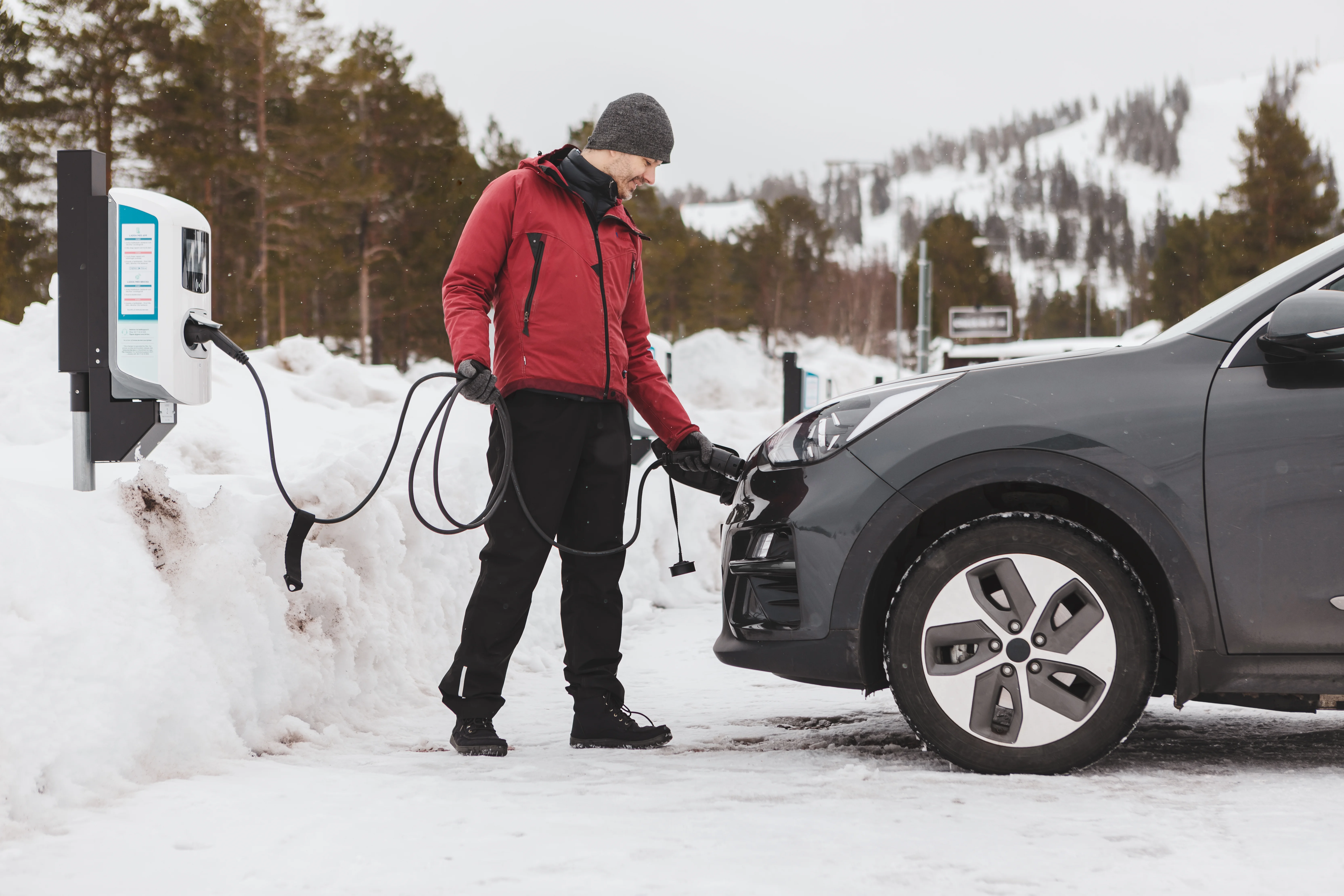
With gas, you pull in, fill up, maybe grab a coffee, and leave. Whole thing is over in a few minutes. With an electric car, even when everything goes right, you are still planning around the charge. And when it does not go right, when the charger is slow, occupied, broken, or just not where you need it to be, that is when people start thinking, yeah, this is exactly why I have not switched.
So for years, charging time has felt like the thing electric cars could never quite explain away. You could make the environmental argument, the cost argument, the technology argument, all of that. But the average person would still come back with the same question: how long am I stuck waiting?
Now, finally, there is a battery technology that seems to be going straight at that problem.
It is called sodium-ion, and if the early numbers hold up, it could end up being one of the first EV developments in a long time that actually changes how people feel, not just how engineers talk.
The headline number is the one that makes people stop and reread it: about 11 minutes for a full charge. Not mostly charged. Not 10 to 80 percent. Full. And with roughly 280 miles of range.
That is the kind of number that makes the whole EV conversation sound different.
Most electric vehicles on the road today use lithium-ion batteries. That is been the standard for years. They work, clearly, but they come with baggage. Lithium is expensive, harder to source than people sometimes realize, and tied up in supply chains that are not exactly simple or stable. Then there is the wear issue. The faster you try to charge lithium batteries, the more careful you have to be, because pushing speed too hard can hurt the battery over time.
Sodium-ion changes the chemistry.
Instead of lithium, it uses sodium, which is far more abundant and far less exotic. Sodium is everywhere. That does not automatically make it better, obviously, but it does make it interesting, especially at a time when cost, sourcing, and scale matter so much.
What has people paying attention is not just that sodium-ion exists. It is that it is starting to look practical.
For a while, battery breakthroughs had this annoying pattern. Every few months, there would be another exciting story about some miraculous new chemistry that was going to change everything, and then nothing really happened. It stayed in the lab. Or it turned out to be too expensive. Or it worked beautifully under perfect conditions and nowhere else.
This feels a little different.
Sodium-ion batteries are already starting to show up in real vehicles, especially smaller urban models and two-wheelers in China. So this is no longer just scientists making promises with charts behind them. There is actual movement now.
And speed is only part of the appeal.
Cold weather performance matters more than people give it credit for. Anyone who has dealt with an EV in real winter knows that range anxiety hits differently when it is freezing outside. Everything feels less reliable. Range drops, charging slows, and suddenly a car that looked perfect on paper starts feeling a lot less convenient in real life. Sodium-ion batteries are getting attention partly because they seem to handle low temperatures better, and that alone could make a real difference for a lot of drivers.
Then there is the affordability angle, which honestly may matter even more than charging speed in the long run.
Because here is the truth: people do not adopt technology just because it is impressive. They adopt it when it becomes easy, and when it stops feeling like a financial stretch. If sodium-ion batteries are cheaper to produce, and if they help bring EV prices down while making charging faster and winter performance better, that is when this starts becoming more than a cool innovation story.
That is when it becomes a consumer story.
Now, to be fair, this does not mean everyone in the US or Europe is about to be driving a sodium-ion car next year. That is not where things are yet. The technology is still earlier in its rollout, and mass adoption in full-size consumer EVs is going to take time.
But that is also how these shifts usually happen. Not all at once. First in smaller vehicles, then in specific markets, then suddenly in more places than people expected.
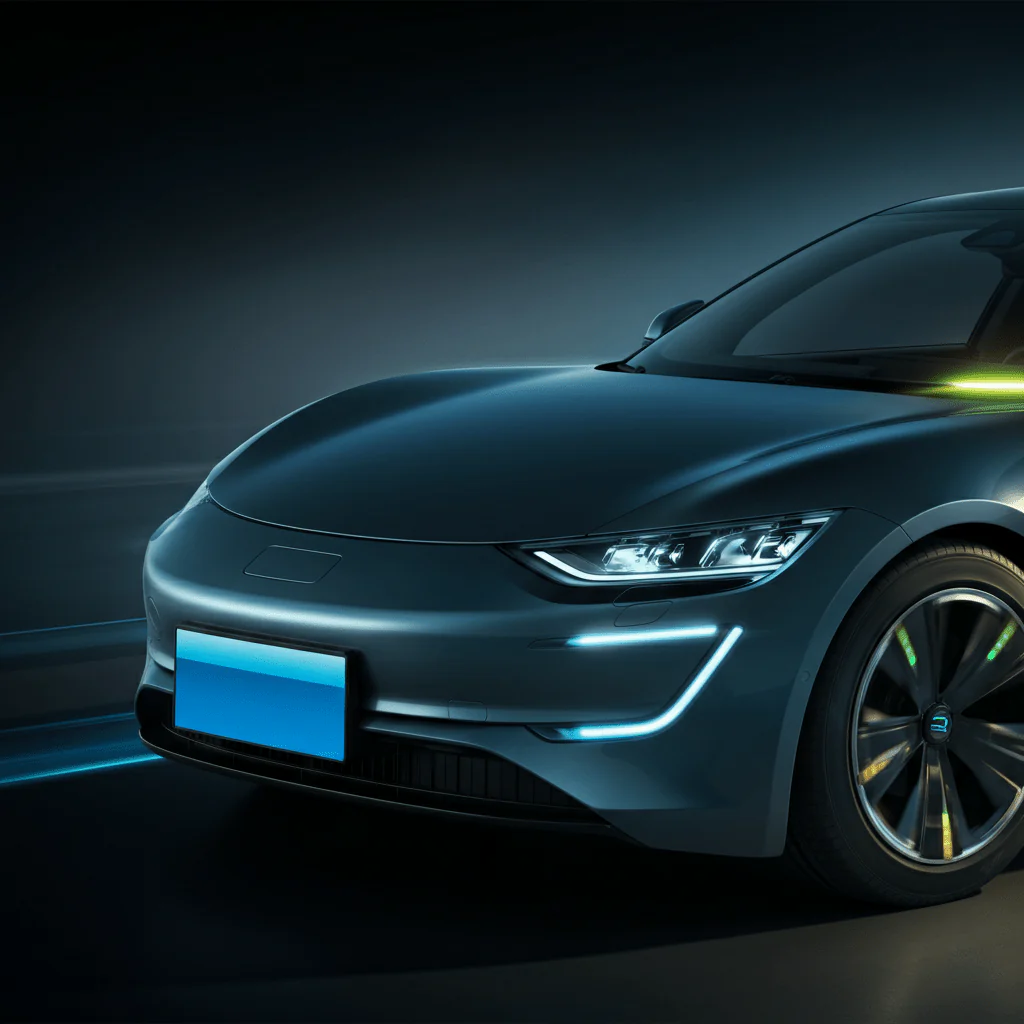
Battery technology has always been the hinge point for electric cars. It is the one issue that keeps deciding whether EVs feel exciting, annoying, practical, expensive, futuristic, or premature.
And for a long time, the charging problem has been the part that kept a lot of ordinary drivers from taking the leap.
That is why sodium-ion matters.
Not because it sounds scientific. Not because it gives the industry a new buzzword. But because if this technology really can make charging dramatically faster, make batteries cheaper, and make EVs work better in the cold, then it starts fixing the exact things people have been complaining about for years.
And that is when interest turns into momentum.
And momentum is when everything changes.