

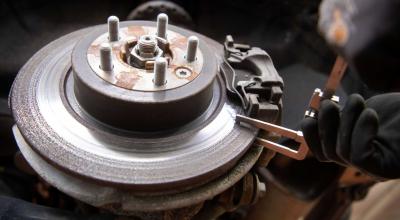
The usual explanation sounds perfectly logical. When a car slows down, its weight moves toward the front. The front tires carry more load, so the front brakes provide more of the stopping force. That
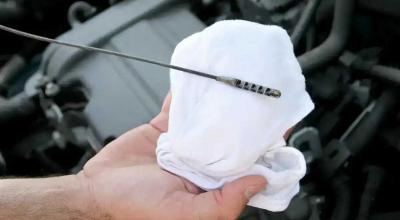
An engine can be low on oil and sound perfectly content. It may start normally, idle without complaint and carry the car through the morning commute. The driver sees no smoke, hears no knocking and re
The key has left the ignition. The doors are locked. From beneath the hood comes the unmistakable roar of a large electric fan apparently unaware that the journey ended. Waiting beside the car for
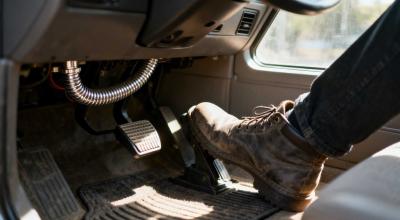
The engine is off. You push the brake pedal once, then again. Each push feels a little firmer than the last. After several presses, the pedal barely wants to move. That sensation can make it s
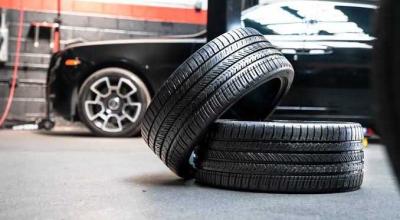
At the tire shop, the choice seems too obvious to question. The front tires on a front-wheel-drive car handle the steering, put the power down, and do most of the braking. They usually wear out first.
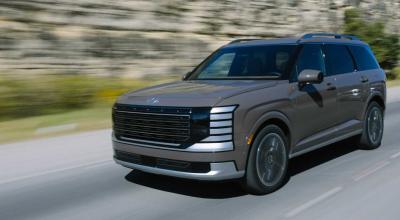
It started with a story that was hard to shake. A child died after being caught in the power seat mechanism of a Hyundai Palisade. The seat kept folding and sliding without properly sensing contact
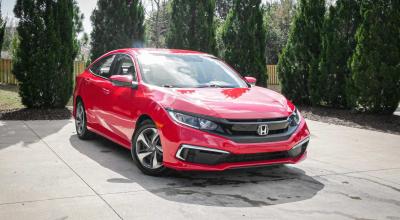
While SUVs have taken over from the sedan as the vehicle design of choice for American masses, the latter still has its place. Not only do they generally look better than the tall and ungainly SUV cro

Diesel engines are workhorses. They’re built for torque, towing, and serious mileage. But when winter rolls in? Diesel gets a little... picky. If you’ve ever tried to start a diesel tru

Picture this: You're cruising down a dual carriageway on a sunny autumn day. The low sun's in your eyes as you move into the slip lane to turn left. Suddenly – bam! – a motorcyclis
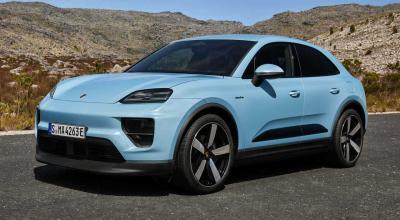
What’s old is totally making a comeback—yup, rear-wheel drive (RWD) is getting a fresh spin thanks to electric vehicles (EVs), and there are some cool reasons behind this revival. For the