Is Your Car on the 2026 Recall List? Over a Million Vehicles Have Already Been Flagged This Year.
by AutoExpert | 28 March, 2026
It started with a story that was hard to shake.
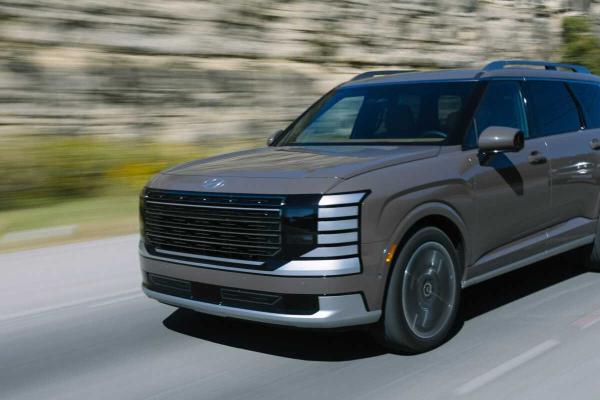
A child died after being caught in the power seat mechanism of a Hyundai Palisade. The seat kept folding and sliding without properly sensing contact. After that, Hyundai stopped sales of more than 68,000 vehicles across the country while it worked out a fix.
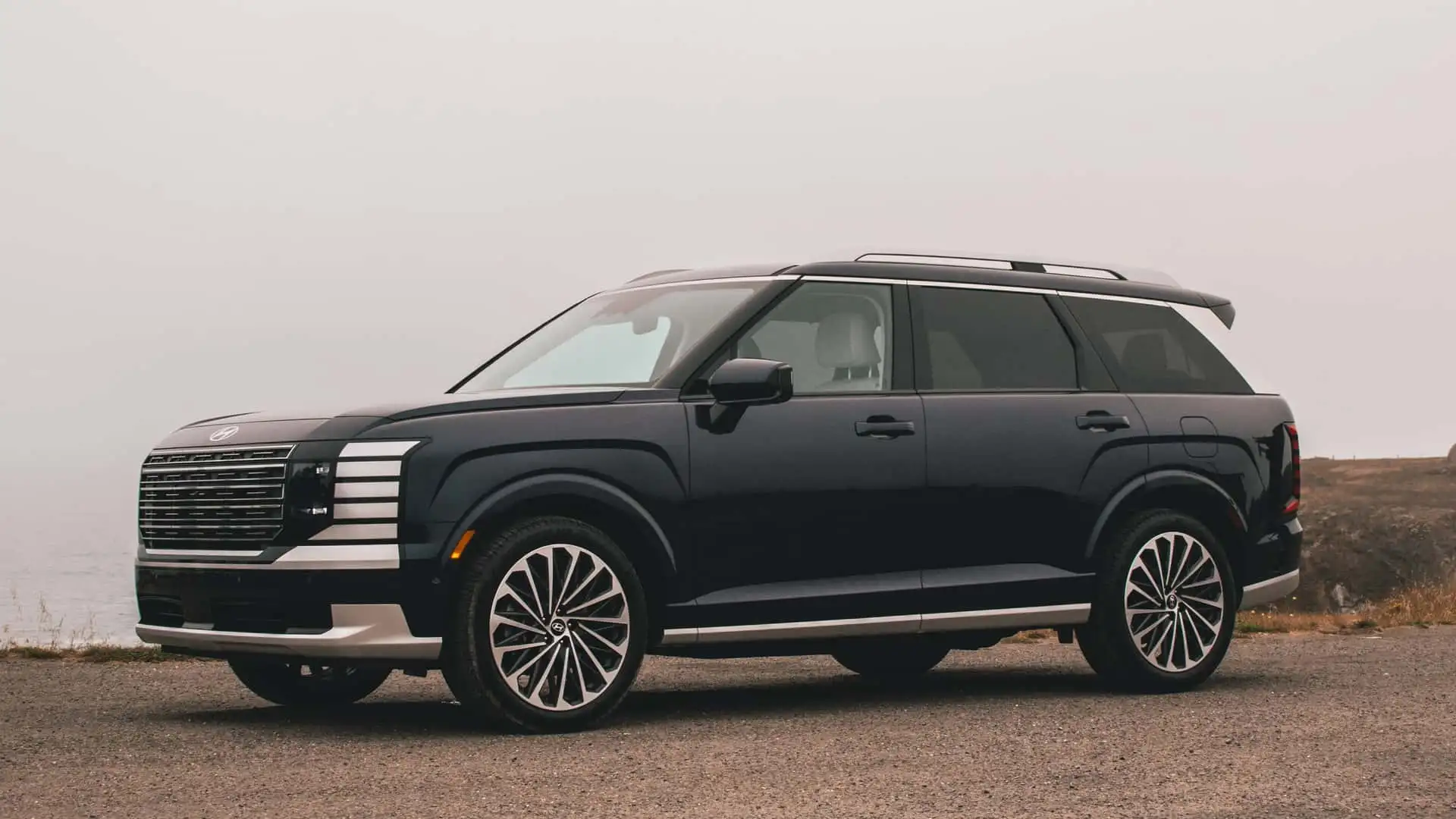
That was one of those stories that instantly cuts through all the usual car news noise. Because at that point, this is no longer about some minor defect or a dashboard warning light. It is about something awful happening in a way most people would never expect.
And the uncomfortable part is that the Palisade is not some isolated case. Not even remotely.
The number of recalls coming out lately has been massive.
In January 2026 alone, more than a million vehicles were recalled in the United States. Just in one month. That sounds exaggerated, but it is not.
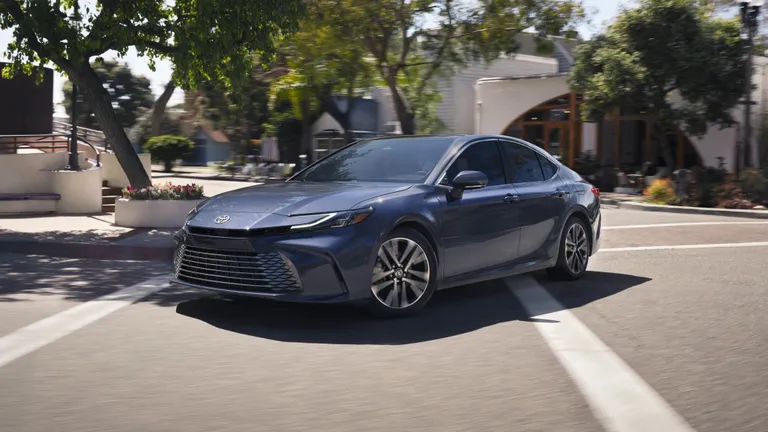
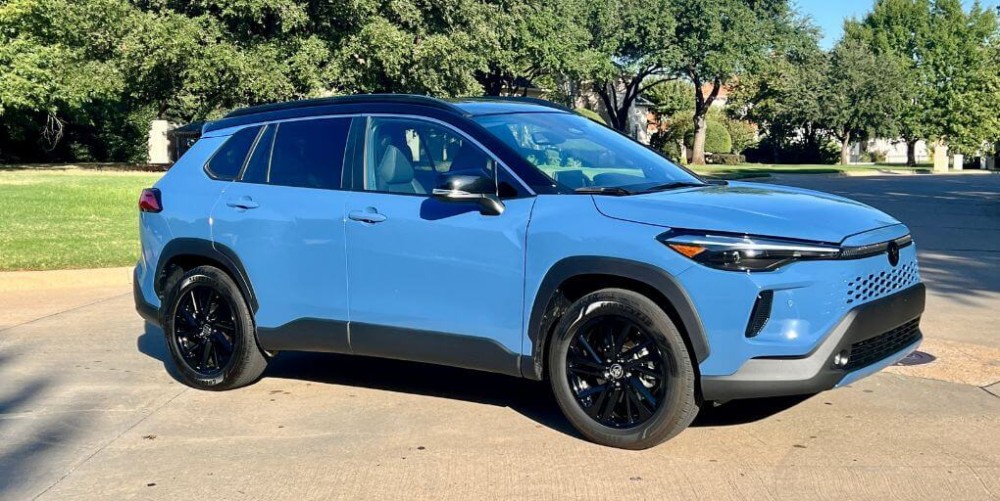
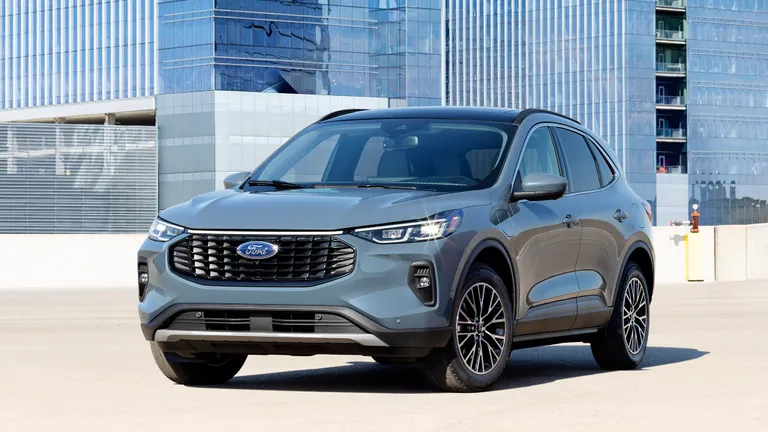
GM recalled around 80,000 vehicles early in the year. Toyota recalled 55,000 units of the 2025 and 2026 Camry and the 2026 Corolla Cross Hybrid because of a loose inverter bolt that could increase the risk of power loss or even fire. Ford pulled back nearly 25,000 Escape Plug-In Hybrids in February over defects tied to the high-voltage battery, again with fire risk in the mix.
At some point, when the numbers get that big, it stops feeling like a string of separate incidents and starts feeling like a pattern.
And if you own one of these vehicles, or honestly almost any newer vehicle, it is worth taking five minutes to check your VIN on the NHTSA site or at SaferCar. It is one of those small boring things that can actually matter.
A lot of people are asking the same question now: why is this happening so often?
The answer is not especially satisfying, because it is not just one thing.
Cars have become incredibly complicated. Not just mechanically, but electronically. A new vehicle now has software everywhere. Sensors, cameras, assisted driving features, battery management systems, electric seat controls, modules talking to other modules, and endless layers of code underneath all of it. The more technology you add, the more chances there are for something to go wrong, and sometimes in ways no one predicted at the design stage.
Then there is the shift toward hybrids and EVs, which has added a whole new category of problems. High-voltage systems are not forgiving. Battery packs are powerful, but they are also sensitive. An issue that sounds tiny on paper, like a bolt not tightened correctly, can turn into something much more serious when electricity, heat, and motion are involved.
And to be fair, part of the reason recalls seem so constant now is that there is more scrutiny than there used to be. Regulators are watching more closely. Consumers are quicker to report problems. Manufacturers are under more pressure to act faster. In that sense, a recall can mean the system is working. A defect gets found, people are warned, repairs are offered.
That is the optimistic version.
The less comfortable version is that some of these recalls involve genuinely dangerous failures, not harmless technicalities.
A seat mechanism that does not stop when it should. A battery defect that raises the risk of fire. A vehicle losing power when it should not. These are not the kind of things you put off until next month because you are busy.
That is really the takeaway here.
A lot of drivers still treat recall notices like junk mail. Something to deal with later. Something annoying but not urgent. And sometimes maybe it does end up being minor. But sometimes it really is not.
The good news is that if your car is recalled, the repair is supposed to be fixed at no cost to you. In many cases, it is handled in one visit. The harder part is just not ignoring it.
Cars today are, in many ways, safer than ever. But they are also more loaded with technology than ever, and that comes with its own kind of fragility.
So yes, modern cars can do more. They can warn you, assist you, correct you, monitor you, and protect you in ways older cars never could.
But they can also fail in more ways.
That is the tradeoff. And at this point, keeping up with recalls is not some extra responsible-person habit. It is just part of owning a car now.