
Best Diesel Anti-Gel Additives 2026: Prevent & Fix Gelled Fuel
by AutoExpert | 26 December, 2025
Diesel engines are workhorses. They’re built for torque, towing, and serious mileage. But when winter rolls in? Diesel gets a little... picky.
If you’ve ever tried to start a diesel truck on a freezing morning and it sounded like it had the flu, you’re not alone. That sluggish start — or no start at all — often comes down to gelled fuel.
What’s actually happening?
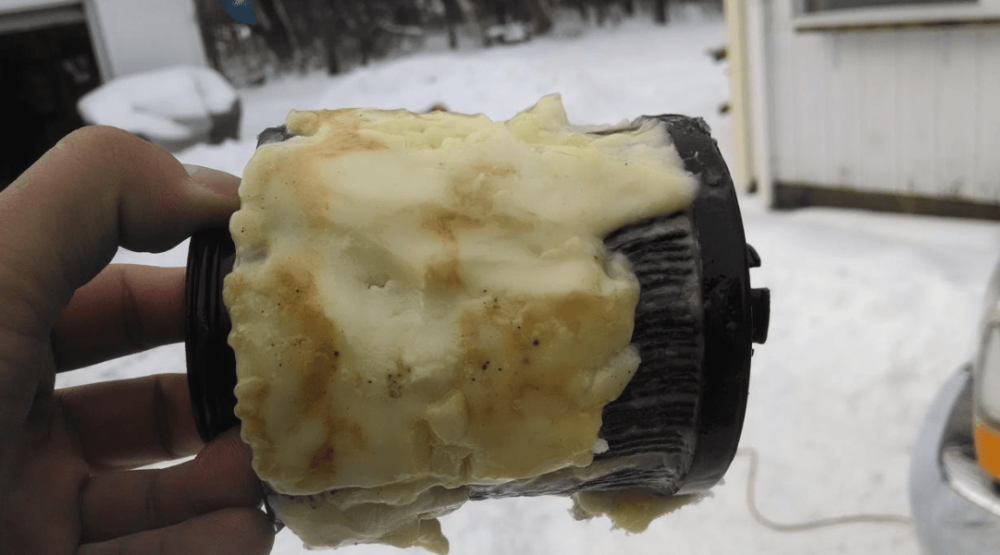
Diesel fuel isn’t just one thing — it contains paraffin wax, which helps improve energy density and performance. That’s great… until the temperature drops.
When it gets below about 10–15°F, that wax starts to solidify into tiny crystals. First, the fuel gets cloudy (they call this the “cloud point”), then thick, then it basically turns into Jell-O. That wax clogs up your fuel filter, chokes the flow, and starves the engine. Cue: rough idling, power loss, or a full-on stall — even mid-drive.
Meanwhile, gasoline doesn’t have this issue. It’s made of lighter hydrocarbons and stays liquid even in subzero temps. It can technically freeze, but not until it’s way colder than you’ll likely ever see — like, -40°F and below. So if you’re driving a gas-powered car, you don’t have to worry about your fuel turning into slush.
How to Fix Gelled Diesel (and Avoid It Next Time)
If your diesel’s already gelled up, here’s what to do:
Warm it up. Move the vehicle into a garage or somewhere heated if you can. If that’s not an option, try using a block heater or portable heat source to warm the fuel system.
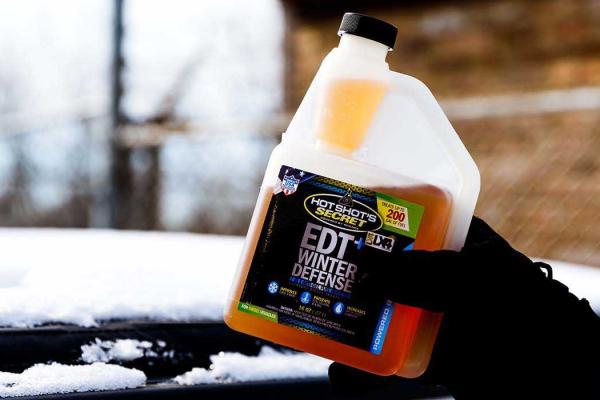
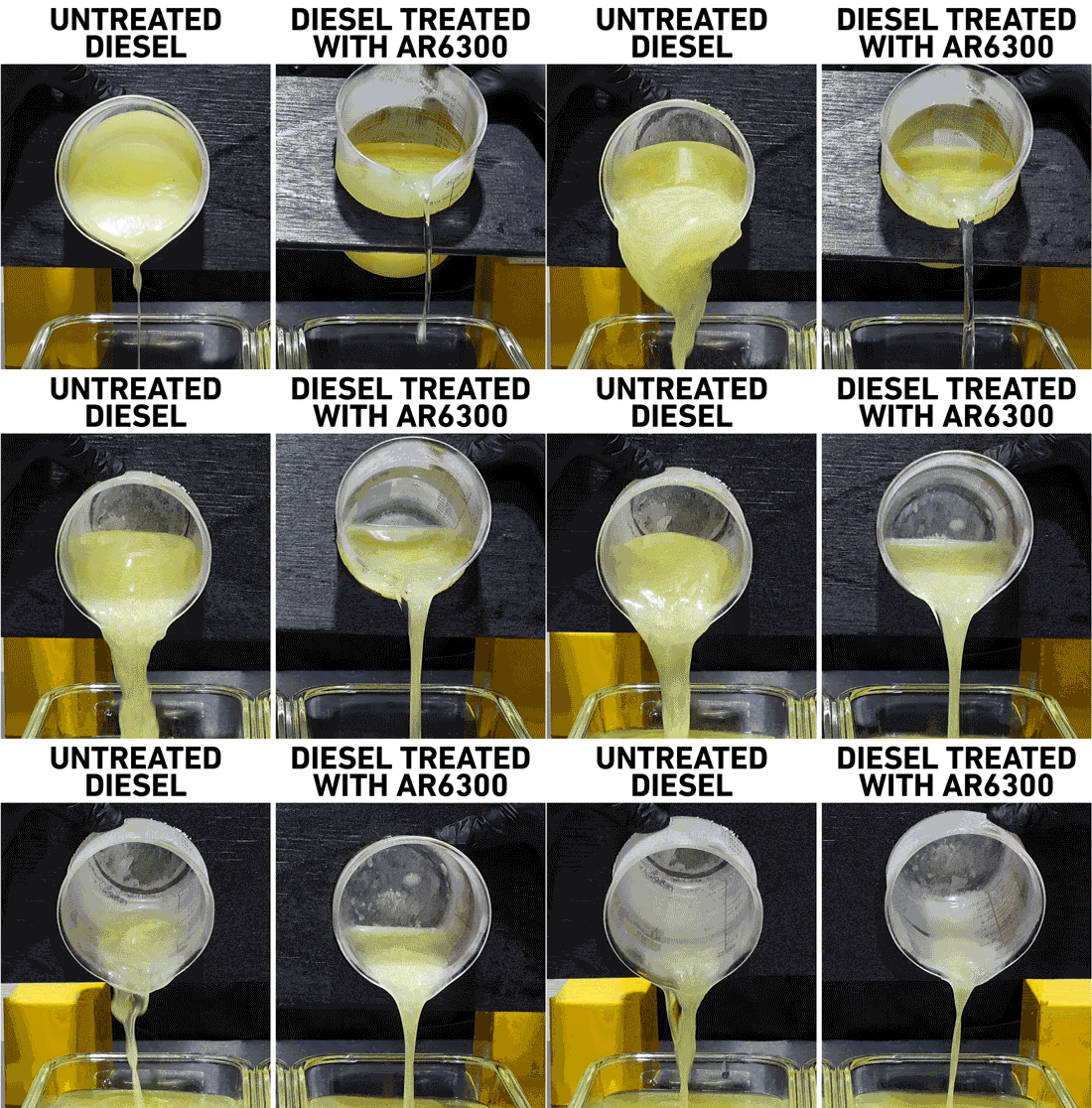
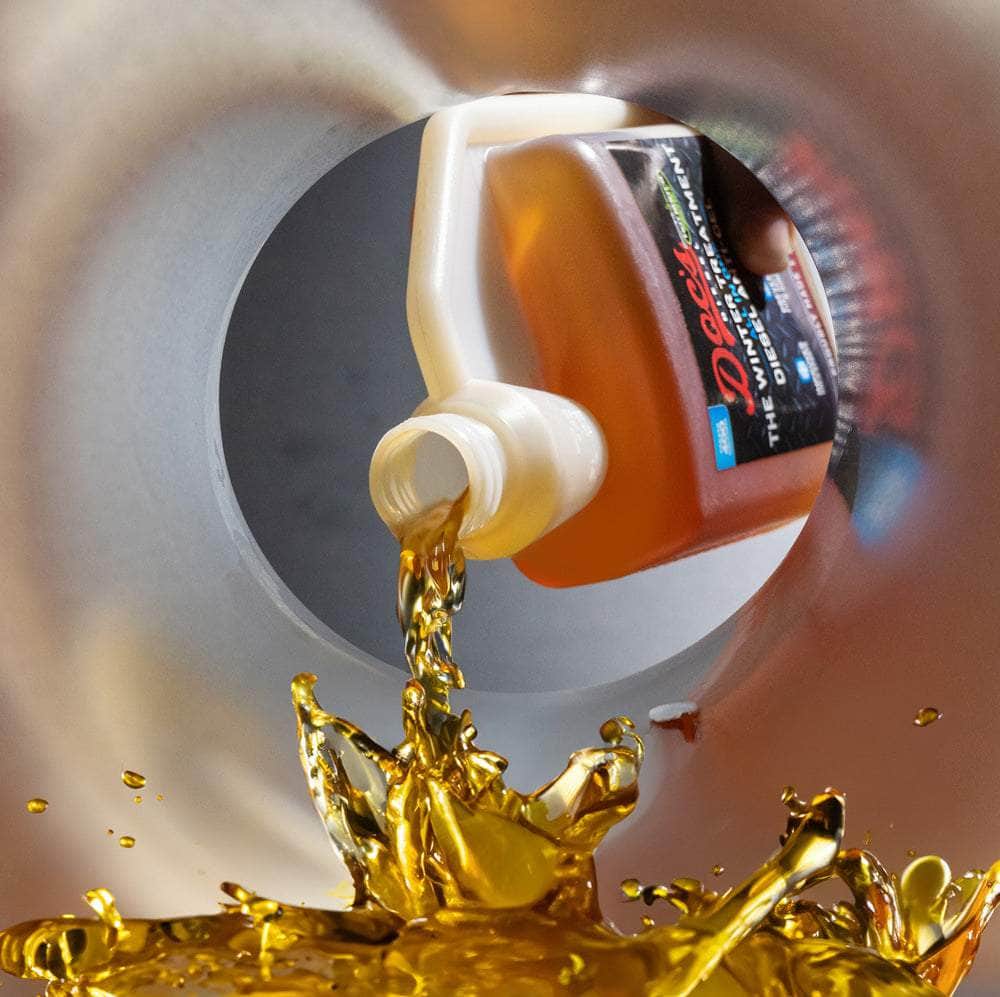
Use a de-gel additive. These are designed to break up wax buildup and get things flowing again. Add it to your tank and wait — this isn’t instant, so give it a couple hours.
Oh — and make sure it’s not fuel line icing, which can look like gelling but needs a different solution (like anti-icing additives).
Better idea? Don’t let it happen at all.
Switch to winter-blend diesel (often a mix of #1 and #2 diesel) when the weather turns.
Add anti-gel treatment every time you fill up — especially if it’s dropping below 20°F.
Keep your tank topped off to reduce condensation, which can freeze.
In extreme cold, some folks add kerosene to thin out the fuel. Just double-check your engine’s compatibility before you do that.
Final Thought
Diesel engines aren’t flawed — they just need a little prep in the cold. Ignore it, and you might end up stuck with a frozen fuel system on the side of the road. Plan ahead, treat your fuel, and your diesel will be just as tough in January as it is in July.