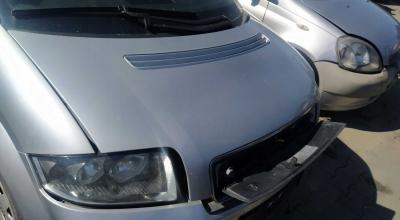
The original Audi A2’s front service flap provided access to its oil dipstick and the filling points for engine oil and washer fluid. More extensive engine access involved removing the bonnet. O

Topping up the washer tank ought to be one of the least complicated jobs a car can demand. Open the bonnet, find the right cap, pour. There is no good reason for it to become an ongoing conversation w

A remarkably low odometer reading has a way of making every other detail fade into the background. The paint may be dull, the tires may look suspiciously old and the service book may contain a de

Fresh motor oil is reassuring stuff. It pours from the bottle in a clear amber stream, looking clean enough to belong in a kitchen rather than an engine. A few hundred miles later, the dipstick can

There was a time when checking automatic transmission fluid involved a dipstick, a rag, and five minutes under the hood. Now the dipstick has vanished. The filler may be buried beneath the car, the fl
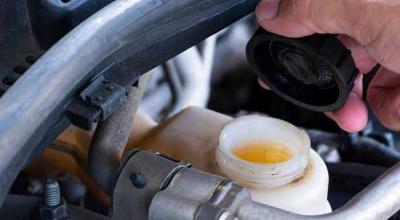
The reservoir under the hood is sitting close to the minimum line. There is a bottle of brake fluid on the shelf. The obvious response seems to be pouring in enough fluid to bring the level back to &l

A used car with gleaming paint, freshly shampooed carpets, and half a dozen pine-scented air fresheners may look beautifully prepared for sale. Or it may be trying much too hard. Flood-damaged
A car can sit unused for several days without concern. Stretch that pause into several weeks, however, and the first signs of neglect may begin to appear. The battery loses charge, the tires remai

A lot of people shop for used cars like they are shopping for avocados. They want the freshest-looking one, the lowest number, the cleanest surface, and they assume that if they can just find t

A lot of used-car shoppers act like mileage is the whole story. They open a listing, see six digits on the odometer, and mentally move on before they even finish the first photo. Somewhere alon