A High-Mileage Used Car Isn’t Always a Bad Bet. Sometimes It’s the Smarter One
by AutoExpert | 26 June, 2026
A lot of used-car shoppers act like mileage is the whole story.
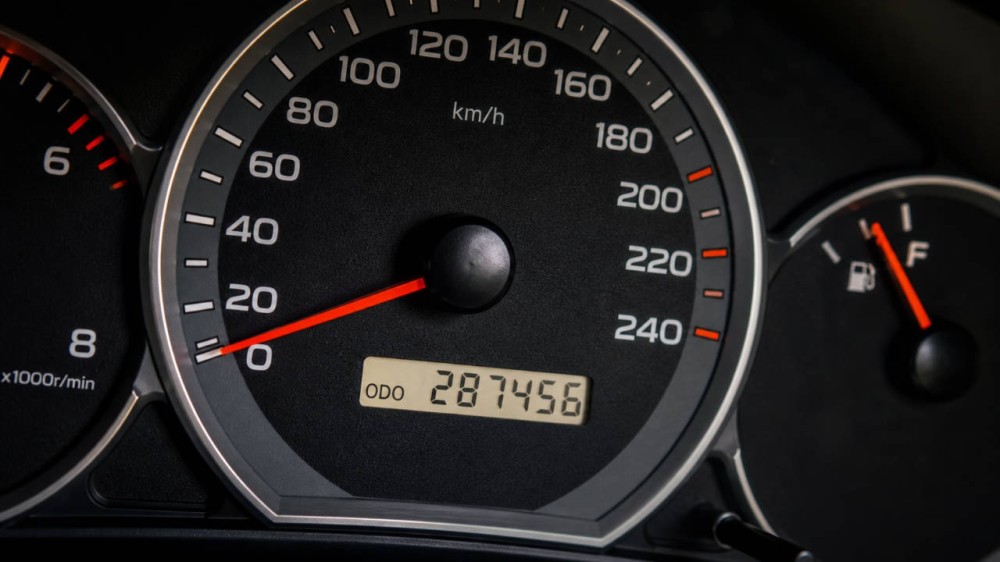
They open a listing, see six digits on the odometer, and mentally move on before they even finish the first photo. Somewhere along the way, people decided that once a car crosses 100,000 miles, it becomes less of a vehicle and more of a warning label. And sure, sometimes that instinct saves people from buying something tired, neglected, and one bad morning away from a tow truck.
But sometimes it also makes them miss the better car.
Because high mileage, by itself, is not automatically bad. In fact, depending on the car, the owner, and the way those miles were accumulated, a high-mileage used car can actually be the smarter buy.
That sounds backwards to a lot of people, but only because mileage is easy to understand and condition is not. A big number feels scary. It feels like proof. It feels like something solid you can point to and say, there, that is the problem. The trouble is, a low number on the odometer can hide all kinds of nonsense. A car with suspiciously low mileage may have spent years sitting, drying out seals, aging fluids, collecting deferred maintenance, and quietly turning into a future headache with glossy paint.
Meanwhile, a car with 130,000 or 160,000 miles may have been used exactly the way cars are supposed to be used: regularly, properly, and with enough maintenance to keep it healthy.
That is the difference people miss.
Mileage tells you the car has lived. It does not tell you how well.
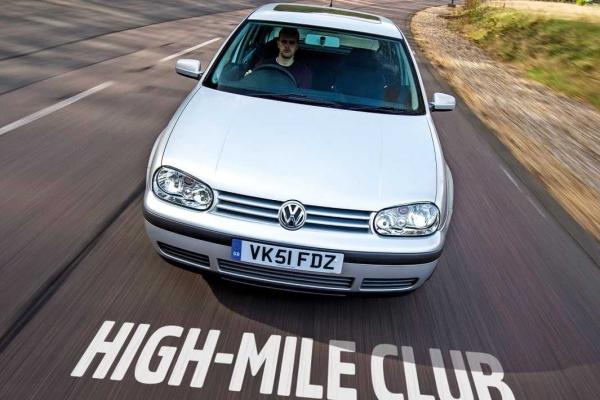
A high-mileage car with detailed service records, regular fluid changes, recent maintenance, and an owner who clearly cared about it can be a much safer bet than a lower-mileage car that looks nice in photos but comes with vague answers, missing paperwork, and the kind of “I’m selling it for my cousin” energy that should make any buyer uneasy.
This is especially true with certain models that have already proven they can handle the distance. Some Toyotas, Hondas, older Lexus models, certain trucks, old-school Mercedes diesels, Volvos from the sturdy years, those cars wear mileage differently. On the right example, high mileage does not necessarily mean near death. Sometimes it means the car already proved it is one of the good ones.

That is actually one of the most reassuring things about a high-mileage car when the documentation is there. If a vehicle has made it this far and still feels tight, shifts well, starts cleanly, runs properly, and comes with a stack of receipts showing someone stayed on top of the boring stuff, that tells you something. It tells you the car was not just surviving. It was being looked after.
And that matters more than people want to admit.
Because low mileage gets romanticized in a way that can get expensive. People see a twenty-year-old car with unbelievably low miles and start imagining they found some hidden treasure. Maybe they did. Or maybe they found a car that spent fifteen years doing almost nothing, which is not always the gift buyers think it is. Cars do not love sitting still. Rubber hardens. Fluids age. Seals dry out. Batteries suffer. Fuel systems gum up. Brake components corrode. Suspensions and cooling systems do not magically stay fresh just because the odometer stayed flattering.
A car that has actually been driven, on the other hand, often tells on itself more honestly.
That does not mean high mileage is some secret advantage in every case. It is not. It absolutely brings risk. Engines wear. Transmissions wear. Interior materials get tired. Paint gets chipped. Suspension components get loose. Plenty of high-mileage cars are exactly as worn as you fear they are. Some are worse. You still have to shop carefully. Really carefully.
But that is the point. Mileage should be one data point, not the whole diagnosis.
The better question is always: what kind of miles?
There is a big difference between 140,000 mostly highway miles and 140,000 brutal city miles. A big difference between one careful owner and four careless ones. A big difference between “recently serviced with records” and “runs great, no issues” typed in all caps by somebody who disappears the moment you ask about maintenance.
A high-mileage car can also make more financial sense because you are not paying the same premium for a pretty odometer reading. If the car is mechanically solid and the price reflects the mileage honestly, the value can be much better. That is especially true for buyers who plan to actually use the car, not preserve it like some rolling museum piece and worry about resale every time they park it.
That is where high-mileage cars start looking a lot more appealing. You buy them to drive them. You are not spending extra to protect some illusion of untouched perfection. You are buying a machine that already proved it can do the job, and if you choose well, it may keep doing that job for a long time.
The trick is not to be naïve about it.
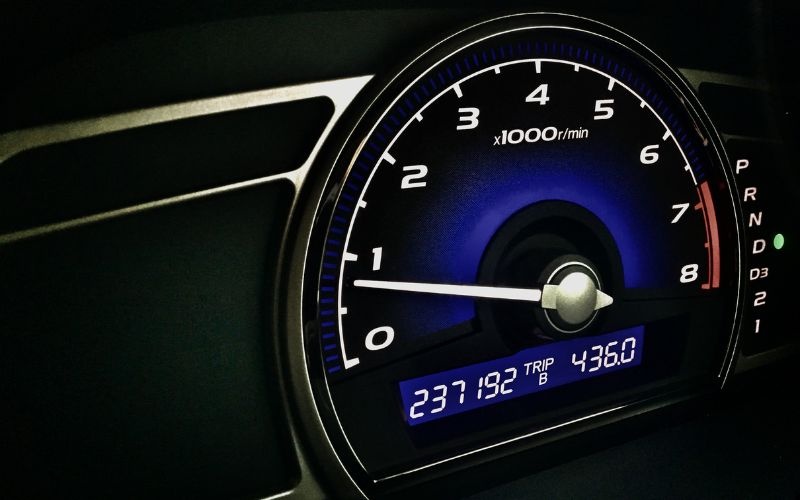
You still want the inspection. You still want the records. You still want to know if the expensive milestone services were done. Timing belt, transmission fluid, water pump, suspension work, brakes, tires, cooling system, all the things that separate a car that is simply high-mileage from a car that is high-mileage and about to become your full-time hobby against your will.
That is where smart buyers make their money. Not by blindly avoiding every big odometer number, and not by romanticizing every survivor either. By understanding that a car with miles is not automatically a bad car. Sometimes it is just a car that got used properly and maintained well enough to outlast the people who underestimated it.
And honestly, there is something reassuring about that.
A low-mileage used car can look promising. A well-kept high-mileage one can feel proven.
Sometimes proven is better.