

The car drifts gently toward the shoulder, and suspicion immediately falls on the alignment. That is understandable. A car should travel where it is pointed, and anything that seems to tug at the s
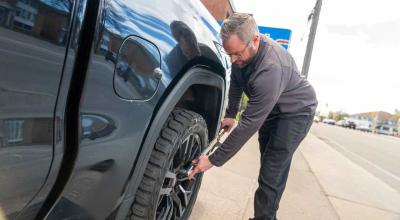
The tires are new, the wheels are back on and the invoice is folded into the glovebox. Before handing over the keys, the technician mentions one final detail: come back after a short period of driving
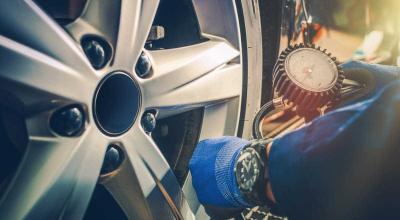
The tires were set perfectly that morning. Then, after a long stretch of highway, the pressure display shows every one of them sitting several pounds higher. Out comes the gauge. Sure enough, the d
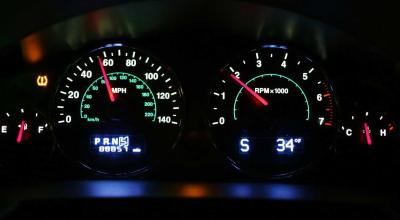
The tire-pressure warning light is not one of the dashboard’s more mysterious creations. It looks like a sagging tire with an exclamation mark inside, which is a fairly direct way of saying, &ld
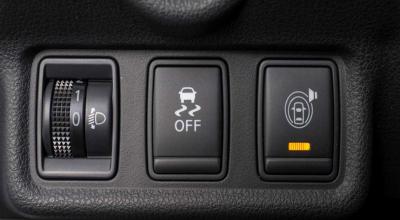
There is something wonderfully unhelpful about the traction-control symbol. It shows a car wriggling across the road, which makes the button beside it look like the obvious thing to press when the roa

The sticker inside the driver’s door says 35 PSI. After an hour on the highway, the dashboard says 39. Four extra pounds of pressure sounds like a problem. The tires were set correctly that morn
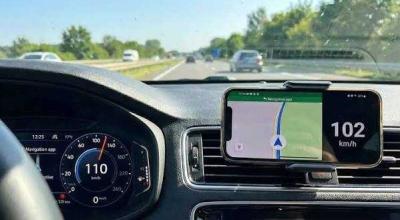
Set the cruise control to 70 mph and glance at the navigation screen. It may insist the car is traveling at 67. Increase the cruise setting to 71. GPS grudgingly moves to 68. The two displays can sp
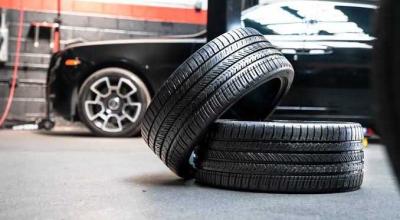
At the tire shop, the choice seems too obvious to question. The front tires on a front-wheel-drive car handle the steering, put the power down, and do most of the braking. They usually wear out first.
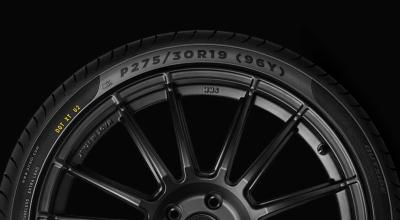
A tire can look almost offensively healthy for its age. The tread grooves are deep. There are no nails in sight. The sidewalls still turn glossy after a wash, and the car has covered so few miles th

Here is a mildly alarming experiment: open the trunk of your car and lift the floor. There may be a spare tire under there. There may also be a little black compressor, a bottle of sealant, and a