

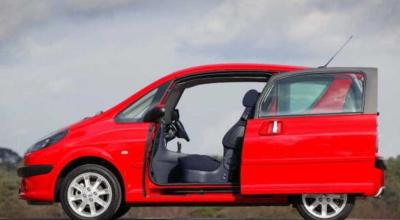
The Peugeot 1007 had two electrically operated sliding side doors, designed to make getting in and out easier in tight spaces. Launched in 2005, it brought the practicality of a van-style entrance to
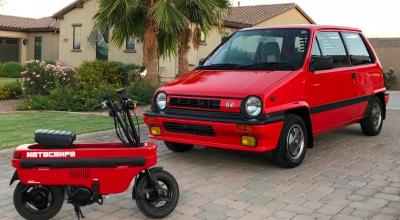
Honda launched the City and Motocompo together in Japan in 1981. The Motocompo was a small petrol-powered scooter designed to fold down and travel inside the City’s luggage compartment. The two
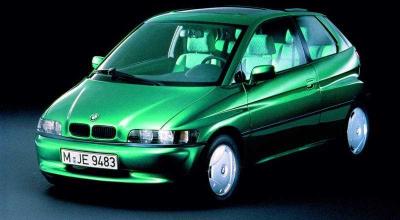
The BMW E1 was a purpose-built electric prototype unveiled at the 1991 Frankfurt Motor Show. Designed for urban driving, it combined four-seat accommodation with lightweight construction. It remained
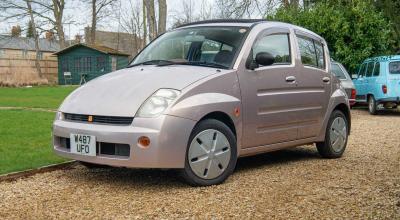
The Toyota WiLL Vi was a compact car launched in Japan in January 2000 as part of WiLL, a shared brand created by companies from several industries. Its carriage-inspired body was unusual enough. The
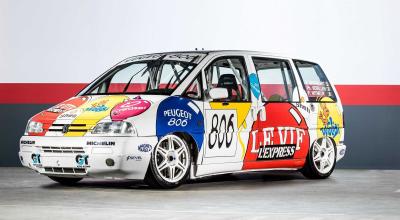
The Peugeot 806 race car was a competition-prepared minivan entered by Peugeot’s Belgian operation in the 1995 Spa 24 Hours. With nearly 300 hp, it qualified 12th among 46 starters, an extraordi
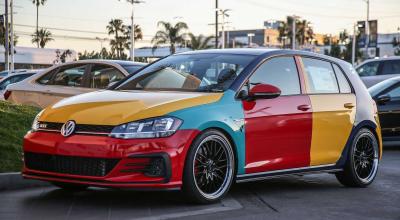
Why did Volkswagen make Harlequin cars? The multicoloured Polo began as a promotional demonstration of Volkswagen’s modular ordering system. Customers wanted the display cars, prompting the Polo
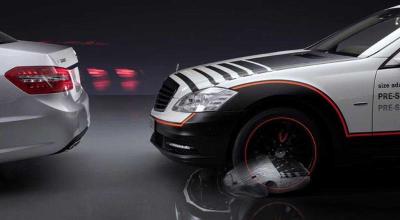
What was the Mercedes braking bag? It was an experimental underbody airbag shown as part of the ESF 2009 safety programme. When sensors judged a collision unavoidable, the device would deploy a high-f
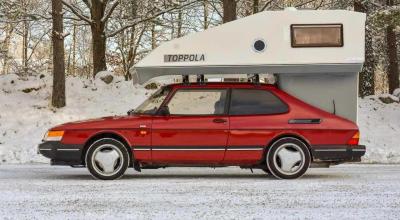
What was the Saab Toppola camper? It was a removable living module fitted into a compatible hatchback after its rear hatch was taken off. Developed in Sweden in the early 1980s, it gave a passenger ca
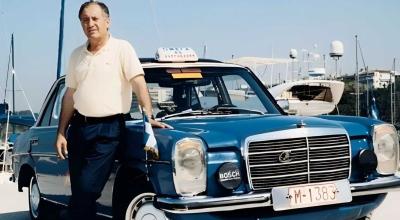
How did a Mercedes taxi reach 4.6 million kilometres? Gregorios Sachinidis kept his 1976 Mercedes-Benz 240 D working in Thessaloniki for decades. Its recorded distance came with substantial mechanical
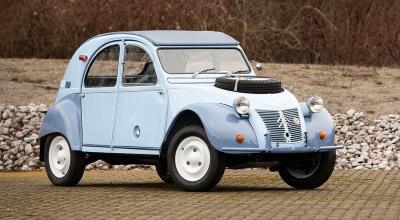
Open the boot of most small cars from the 1960s and you would expect shopping, a spare wheel or perhaps a toolbox. In a Citroën 2CV Sahara, the engine would be taking up much of that space. The o