
This Little Peugeot Solved an Everyday Parking Problem With Two Very Unusual Doors
by AutoExpert | 23 October, 2026
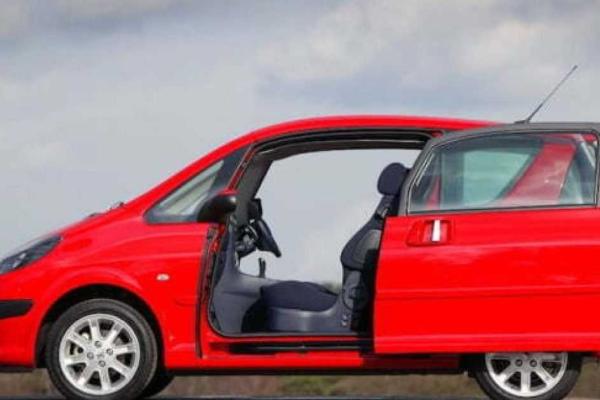
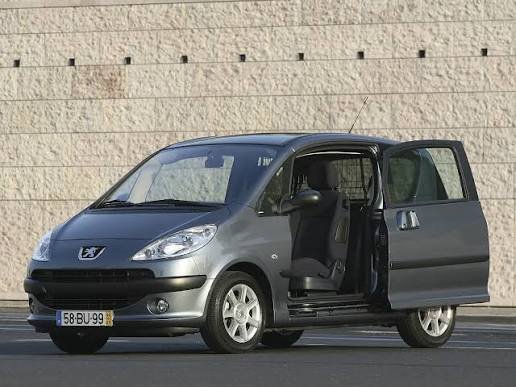
The Peugeot 1007 had two electrically operated sliding side doors, designed to make getting in and out easier in tight spaces. Launched in 2005, it brought the practicality of a van-style entrance to a small passenger car, although the extra complexity came with compromises.
Getting a small car into a parking space is usually the easy part. Getting yourself out can require considerably more planning.
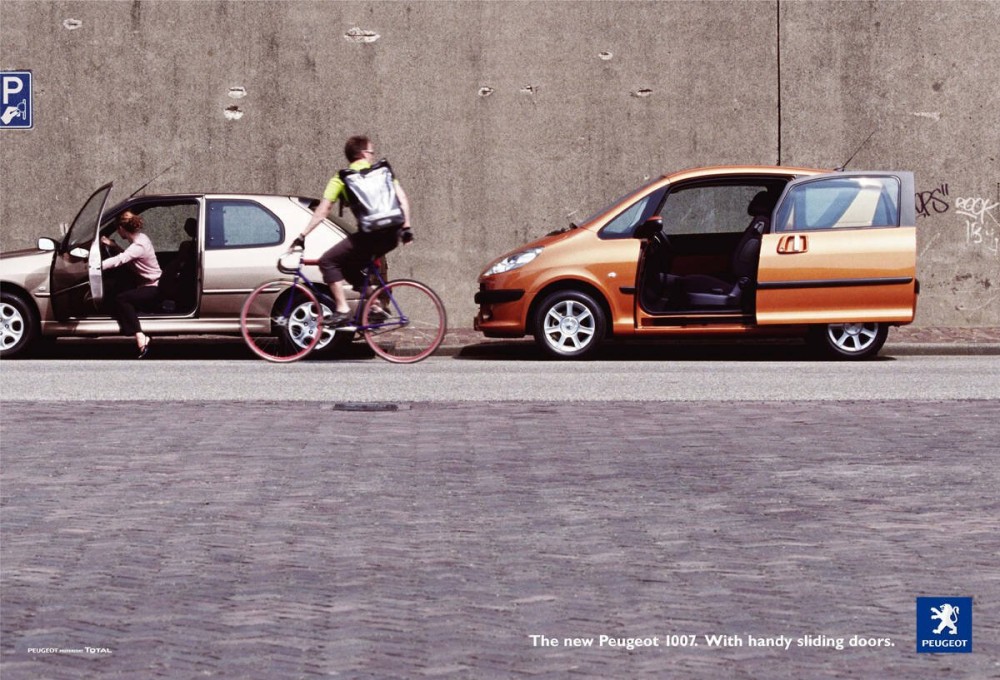
You open the door until it is almost touching the neighbouring car, turn sideways and attempt to emerge without leaving a mark on either vehicle. Shopping bags make the process worse. A narrow garage offers much the same entertainment every morning.
Peugeot built the 1007 around avoiding that performance.
Press a button and the door slid backwards along the body. There was no large panel swinging into the space beside you. Peugeot’s launch material described an opening 920 millimetres long, with the moving door requiring only a little more width than the exterior mirrors. The doors could also be operated remotely.
For anyone regularly parking beside concrete pillars, this was a persuasive demonstration. Here was a feature whose usefulness did not need much explaining.
It had begun with the Sésame concept, shown in Paris in 2002. Three years later, the production car retained the powered sliding doors and a tall, compact body. Peugeot resisted the temptation to leave the interesting part on the motor-show stand.
The rest of the car was unusually adaptable too. Its individual rear seats could slide, fold or be removed, and interchangeable interior trim kits let owners change the cabin’s colours. Peugeot positioned the 1007 as something more distinctive than a basic urban runabout.
That ambition helped explain the difficulty. Buyers still had to weigh the clever entrance against the price and the way the car drove. Contemporary reporting identified a high price as an obstacle, while later assessments criticised the weight associated with the powered-door arrangement.
A door system can be excellent at its particular job without making the whole car an easy purchase.
The 1007 failed to attract the audience Peugeot had hoped for, and production ended after roughly four years. L'Auto-Journal But its central idea remains appealing whenever somebody parks too close to your driver’s door.
It is easy to dismiss unusual cars once their sales results are known. The 1007 deserves a little more generosity. Peugeot took a thoroughly ordinary annoyance and engineered a proper solution. It just asked customers to buy an entire unconventional car to get it.