
Porsche Is Planning a New Flagship Above the 911 — And It Could Get a Wild Boxer V8
by AutoExpert | 16 October, 2026
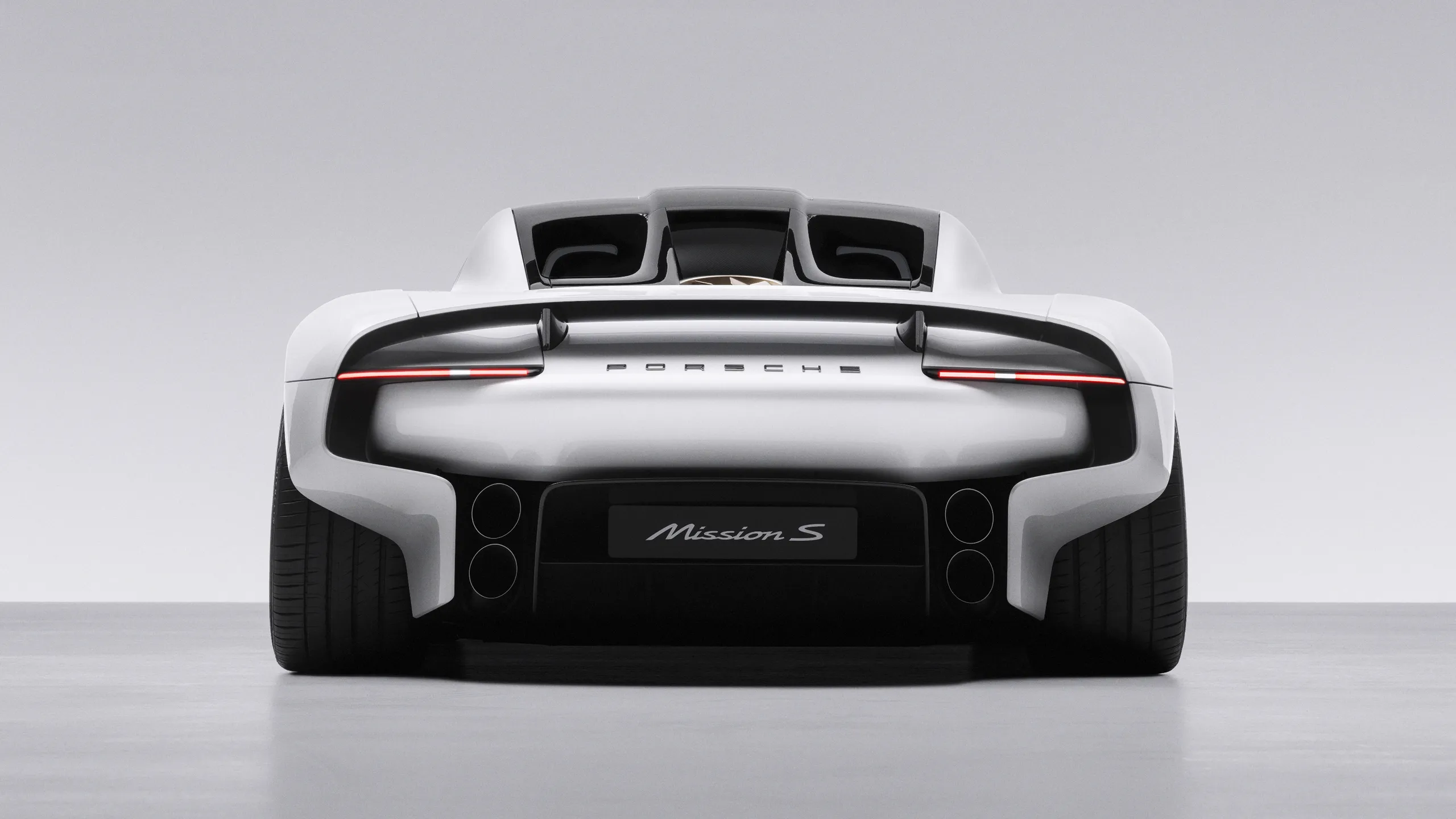
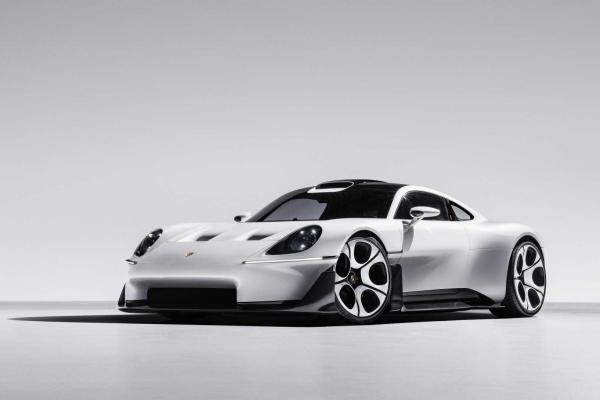
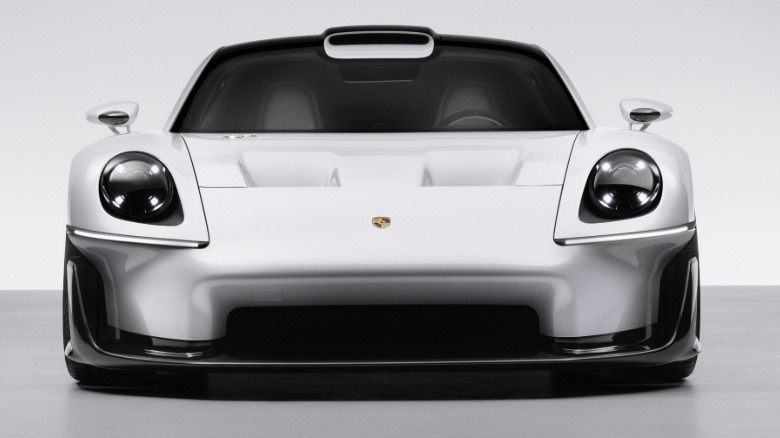
Porsche’s next flagship won’t be another tall SUV or a numbered special destined for collectors’ garages. The Mission S previews a mid-engine sports car that would sit above the 911 and remain part of the regular lineup.
Porsche has always been known for the 911, but the Mission S is a different kind of sports car designed to compete with Ferrari and McLaren.
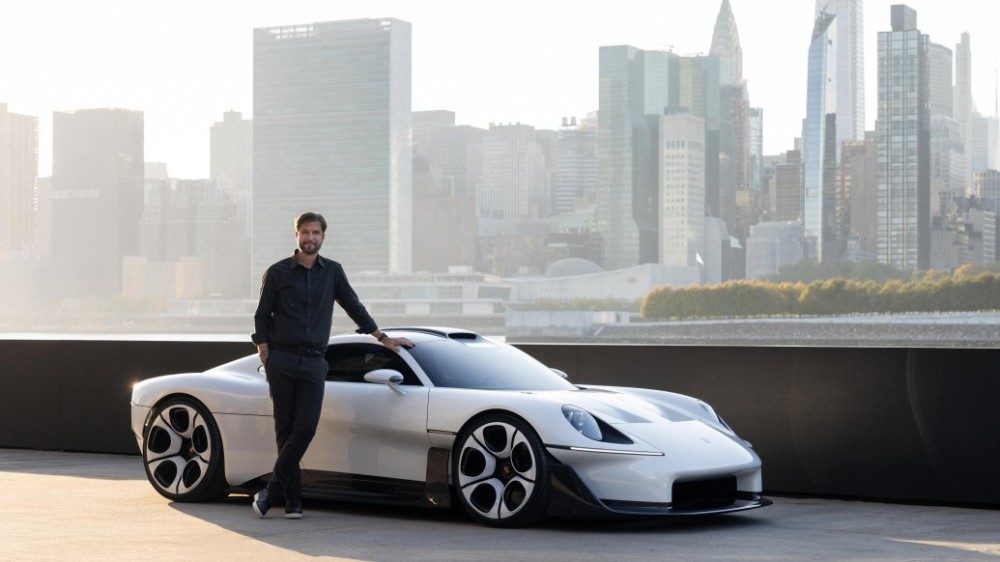
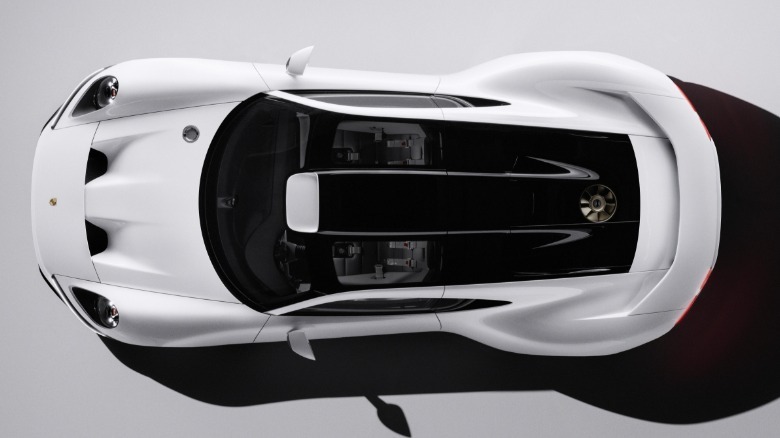
The concept has a shape built around its mid-engine layout, with a low nose, broad fenders, and a tightly sculpted rear. Round headlights and a large central intake recall the 911 GT1 racer, while the hood vents add another motorsport touch.
At the back, a fan mounted in the engine cover references the Porsche 917. Four stacked exhaust outlets and a large diffuser complete a design that looks far removed from the familiar 911 silhouette.
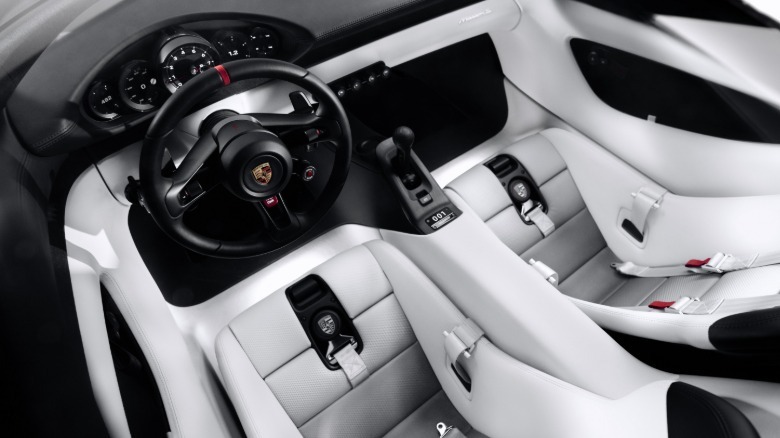
Inside, five digital gauges sit ahead of the driver, but there’s no conventional central infotainment screen. Instead, Porsche has designed a retractable MagSafe dock for a smartphone, which would handle navigation and connected functions.
Physical toggle switches, carbon-fiber details, and bucket seats with racing harnesses give the interior a more purposeful feel. However, production-car buyers will have to wait to see whether it survives beyond the concept stage.
The Mission S follows the Mission X, an electric hypercar concept Porsche revealed in 2023. That project never reached production, and the company has now confirmed that a new mid-engine super sports car is in development.
Porsche says it will be a permanent addition to the range, rather than a limited-production model. The company has not promised that the Mission S will reach showrooms unchanged, so some of its more dramatic details may yet be revised.
The biggest unanswered question is what will power it. Reports from last month point to a new, powerful eight-cylinder boxer engine, but Porsche has not confirmed the specifications. If that report proves accurate, the Mission S could mark a notable shift from the all-electric direction explored by Mission X.