Over 2 Million Cars Are Secretly Lying to You About Their Mileage
by AutoExpert | 30 March, 2026
Picture this. You find a 2022 sedan online that seems like a great deal. Clean body, low miles, fair price, service history looks decent enough. Nothing flashy, just one of those cars that seems sensible. So you buy it.
For a while, everything is fine.
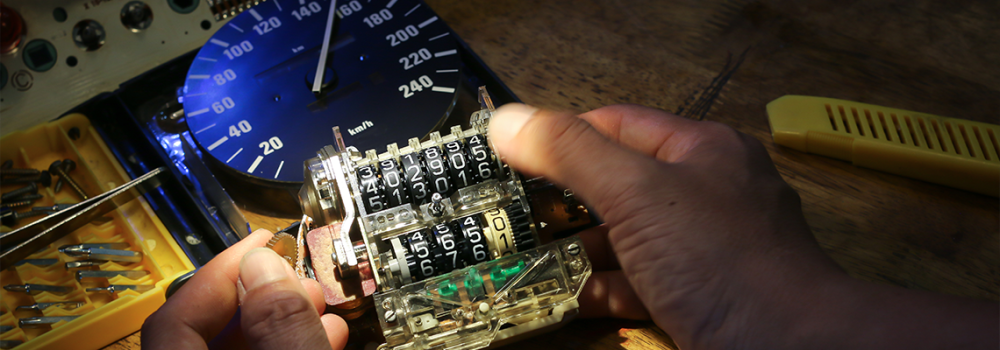
Then a few months later, little things start happening. Repairs come sooner than they should. Parts look more worn than expected. Something feels off. Eventually your mechanic gives you the answer you were hoping not to hear: this car has been driven a lot more than the odometer says.
A lot more.
And the worst part is, this is not some bizarre one-in-a-million scam story. It is happening all the time.
Right now, more than 2.14 million vehicles on American roads are suspected of having tampered odometers. That figure has climbed roughly 18 percent since 2021. And for consumers, the damage adds up to more than a billion dollars every year.
Once you know that, the used car market starts looking a little different.
Because odometer fraud is not complicated. It is just ugly.
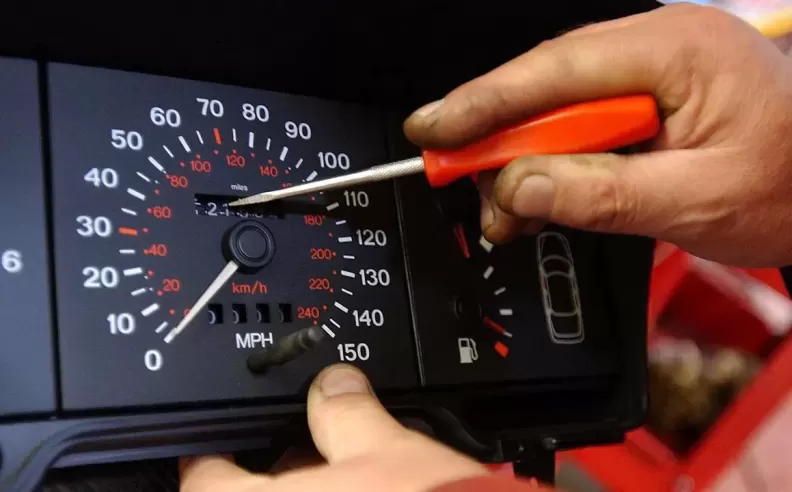
Someone takes a car that has, say, 140,000 miles on it and makes it look like it has 65,000. Suddenly the car seems newer, cleaner, more valuable. The seller can ask for more money, and the buyer thinks they are getting something with a lot more life left in it than it actually has.
People assume digital odometers fixed this problem. They did not. They just changed the method.
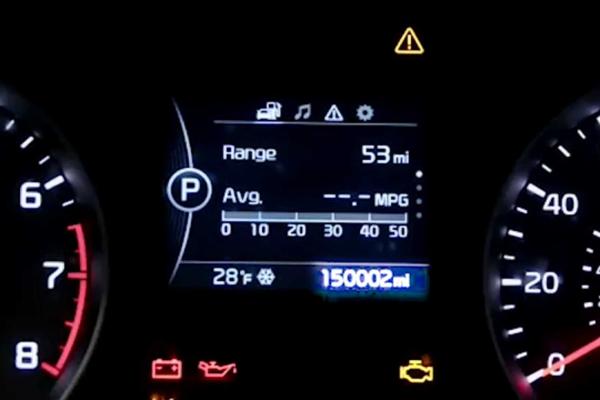
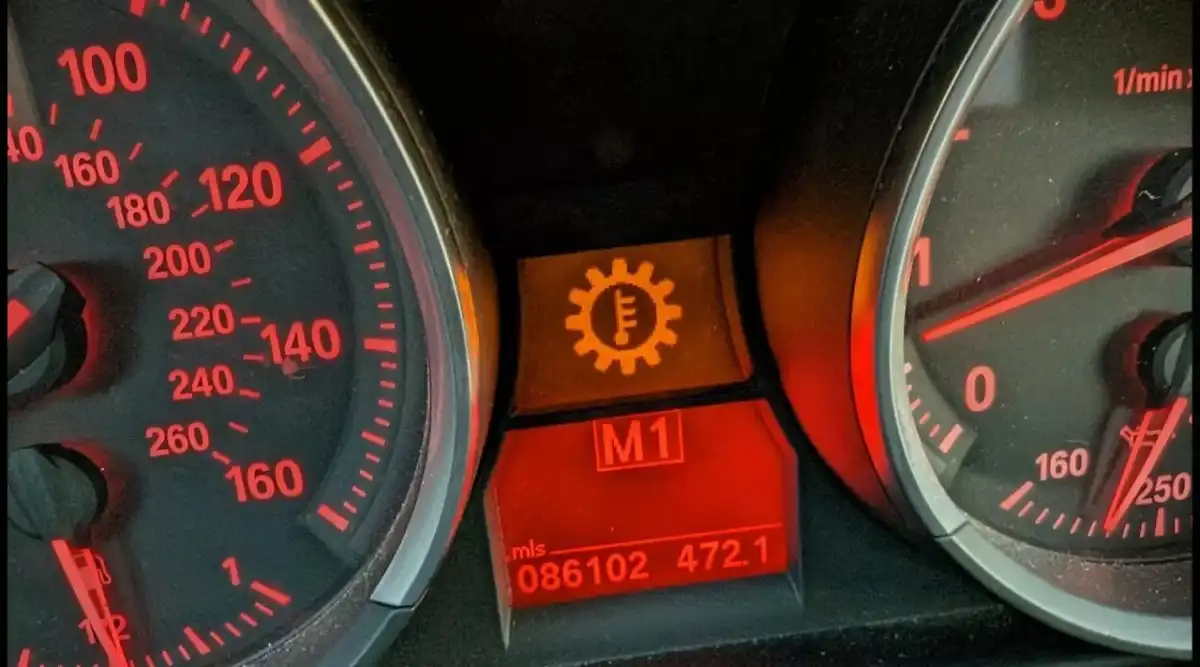
Instead of physically messing with the numbers, scammers can now use software to alter the mileage stored in the car’s system. It is less obvious, cleaner, and much harder for an ordinary buyer to catch just by looking.
That is what makes it so effective.
And usually the people who get burned are not car experts or collectors or anyone shopping for something exotic. It is regular people. Someone trying to buy a reliable used car without overpaying. Someone buying from a private seller. Someone finding what looks like a decent deal on Facebook Marketplace, Craigslist, or a smaller lot.
Because if the car is clean and the seller sounds normal and the mileage looks right, most people are not walking into that conversation expecting fraud.
But the moment you buy a rolled-back car, you are inheriting problems you did not bargain for.
The engine has more wear than you think. The transmission does too. Same with the suspension, brakes, and everything else that ages with miles. So now you have paid a higher price for a car that is actually much closer to expensive repairs than the dashboard suggests.
And sometimes it gets worse. When that buyer eventually sells the car, they may pass the problem along without even realizing it.
There are warning signs, though, and they are worth taking seriously.
If a car supposedly has very low mileage but the steering wheel is worn smooth, the pedals look heavily used, the seats are more tired than they should be, or the tires tell a different story, pay attention. Same goes for service records that have weird gaps or mileage entries that do not progress in a way that makes sense.
Sometimes the car just does not match its own story.
That alone does not prove fraud, obviously. But it should absolutely make you stop and question things.
One of the smartest things you can do is pull a vehicle history report. Carfax, AutoCheck, services like that. They collect mileage readings from inspections, dealer visits, insurance events, maintenance records, and other checkpoints over time. If the numbers jump around or move backward or just do not line up with what the seller is telling you, that is not something to brush off.
That is your sign to leave.
And honestly, spending a little money before buying can save you a lot later. A pre-purchase inspection from an independent mechanic usually costs somewhere around $100 to $150, which is nothing compared to what a bad car can cost you. A decent mechanic can often tell pretty quickly whether the condition of the car fits the mileage being claimed.
And unlike the seller, they have no reason to make the story prettier.
Certified pre-owned cars also tend to come with more protection built in, especially when they come from franchised dealerships. That does not make them perfect, and it is not some magical shield against every problem, but it does raise the level of accountability in a big way.
That matters.
Because the real lesson here is simple: the number on the dashboard is not sacred. In 2026, it can be manipulated more easily than most buyers realize.
So if you are buying used, do not just admire the mileage number and move on. Check the history. Look at the wear. Get the inspection. Slow yourself down enough to be skeptical.
A car can look honest and still be lying to you.