
Is Your Car's Odometer Lying to You? Over 2 Million Vehicles on U.S. Roads Have Been Tampered With
by AutoExpert | 10 June, 2026
When you buy a used car, you probably check the vehicle history report, poke around the exterior for dents, and maybe take it for a short test drive. That covers a lot of ground. But there is one scam that slips past most buyers completely - and by the time you figure it out, you have already signed the paperwork.
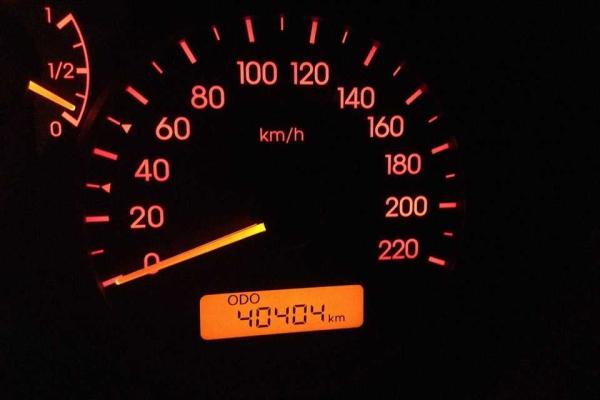
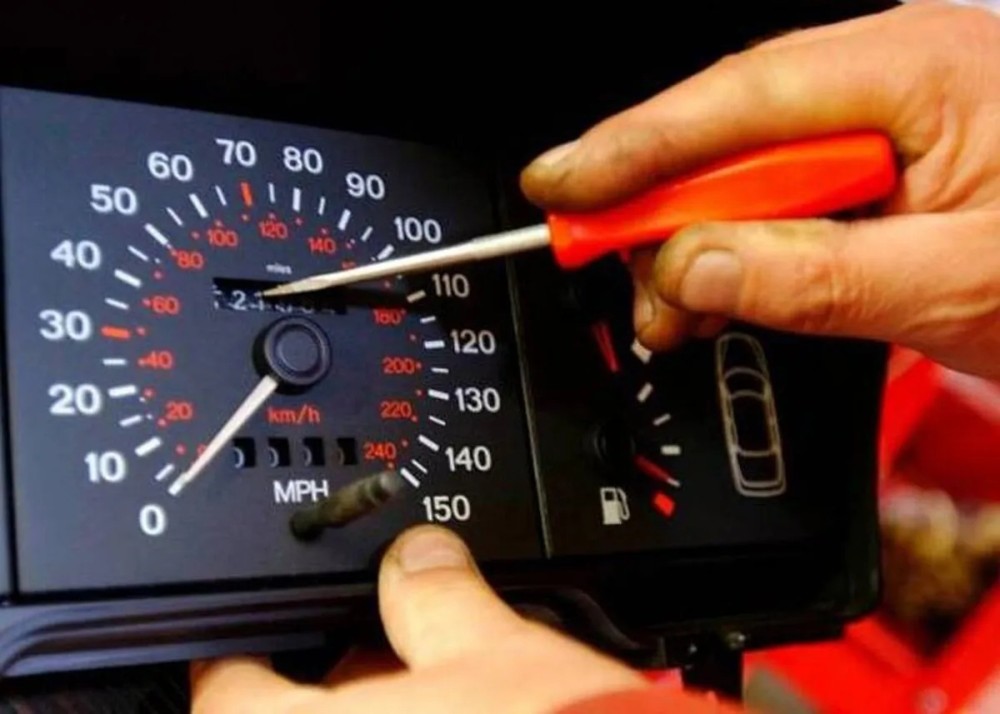
Odometer fraud means rolling back the mileage counter on a vehicle so it looks less used than it really is. It has been around forever, but according to recent data, it is actually getting worse. More than 2.14 million vehicles currently on U.S. roads may have had their odometers tampered with. That number is up about 18% since 2021. Every year, roughly 450,000 vehicles are sold with false readings, costing American consumers over $1 billion in total losses.
The average victim overpays by around $4,000. They think they are buying a clean 45,000-mile car when the real number is closer to 95,000.
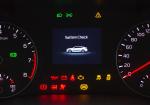
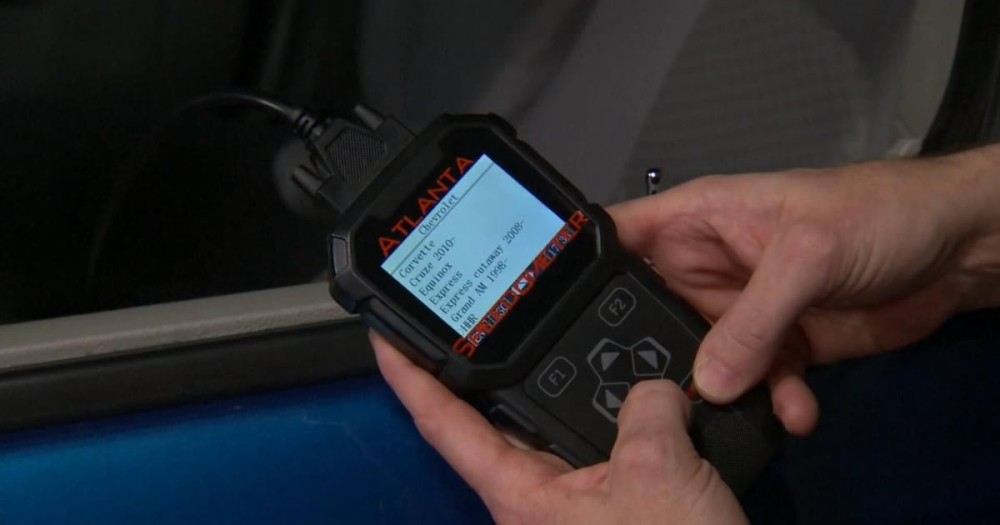
The shift to digital odometers has not stopped fraudsters - it has just changed their tools. Old-school mechanical rollbacks are mostly gone, but modern scammers can plug a laptop into your car's OBD-II port and edit the mileage data directly in the vehicle's computer. It takes minutes, leaves no obvious trace, and is increasingly common.
So how do you protect yourself?
Start with a full vehicle history report. Carfax and AutoCheck are the two most widely used services. They pull from state DMV records, dealership service centers, and insurance companies to build a mileage timeline over the life of the vehicle. If the numbers jump around, dip unexpectedly, or show a mileage decrease between entries, treat it as a serious red flag and walk away.
Next, check whether the physical wear matches the mileage on the dash. A car with 40,000 miles should look like it has 40,000 miles on it. Check the wear patterns on the steering wheel leather, the brake pedal rubber, the driver's seat bolster, and the floor mats under the driver's feet. These are hard to fake and tell a story that the odometer alone cannot.
Ask for service records. Oil change receipts, tire rotation history, dealership service invoices - all of these typically list the mileage at the time of the visit. A stack of those records creates a real paper trail you can compare directly against the current reading. Any seller with nothing to hide will have no problem producing these.

If you are buying privately and want extra confidence before you commit, pay for a pre-purchase inspection. Most independent mechanics charge between $100 and $150 for a thorough walkthrough. A skilled tech can spot wear patterns on suspension components, belts, hoses, and fluid condition that would not match a low-mileage claim. It is one of the best $100 you can spend before handing over thousands.
Odometer tampering is a federal felony under the Motor Vehicle Information and Cost Savings Act, but prosecutions are rare and recoveries from private sellers are difficult. Your best protection is your own due diligence, done before you buy. Take the time to verify, and do not let a good-looking price make you skip the homework.