
There Is Moisture Inside Your Headlight. Do You Actually Need a New One?
by AutoExpert | 23 July, 2026
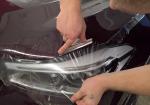
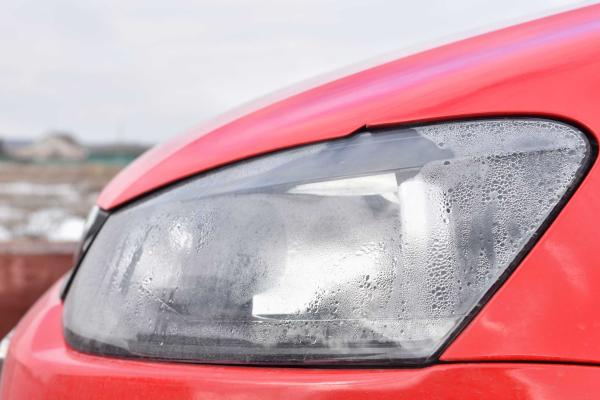
The car comes out of the wash looking excellent, apart from one headlight. Behind the clear lens is a patch of mist, as though someone breathed on the inside of it. The other lamp may be perfectly clear, which makes the foggy one look even more suspicious. Given what a modern LED headlight can cost, the sight is enough to inspire some unpleasant arithmetic.
Before pricing a replacement, take another look. A little condensation inside a headlight can be completely normal.
Most headlights are not airtight
A headlight lives through dramatic temperature changes. Its internal components warm up when the lights are operating, then cool when the car is parked. Outside temperatures rise and fall. Rain, snow and car washes rapidly chill the lens.
If the housing were sealed with no way to breathe, those temperature changes could create unwanted pressure inside it. That is why many headlamps have vents that allow air to move in and out while helping keep dirt and direct water away from the electronics.
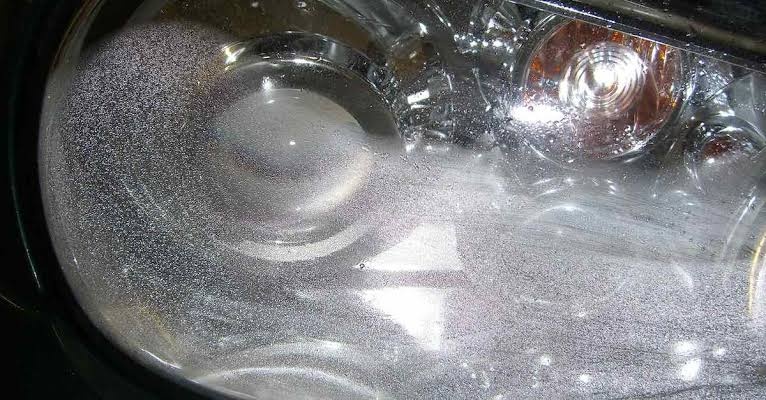
The complication is that outside air contains moisture. When warm, humid air enters the lamp and meets a cold lens, some of that moisture may condense on the inside. It is the same basic reason a bathroom mirror fogs, only far less convenient to wipe.
A thin, even haze or a scattering of tiny droplets can therefore appear after rain, washing the car or a sudden change in temperature. It often forms in the coolest part of the lens and gradually disappears as conditions change.
General Motors explains in a technical bulletin on exterior-lamp condensation that its lamps are vented and that normal moisture can take several hours to clear, depending on temperature, humidity and airflow.
So no, a headlight does not automatically need replacing because it looked misty during breakfast.
Fogging and leaking do not look the same
Normal condensation is usually light and temporary. It does not collect at the bottom of the housing, leave broad trails down the lens or turn the lamp into a very expensive goldfish bowl.
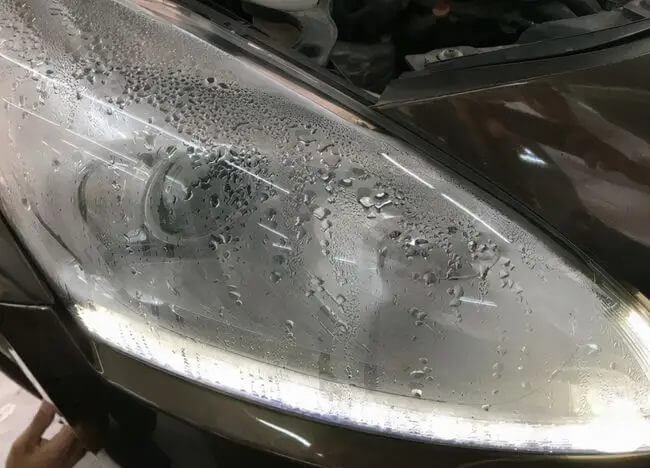
A genuine leak tends to announce itself more boldly. Look for large droplets, streams of water, puddling along the bottom edge or moisture that remains for days regardless of weather and headlight use. Water stains, corroded electrical connections, flickering LEDs and a visibly weakened or distorted beam also deserve attention.
Manufacturer guidance makes the same distinction. A Genesis diagnostic bulletin treats light condensation as normal but identifies pooling, streaking and moisture that refuses to clear as signs requiring closer inspection. Nissan similarly separates temporary fogging from droplets, runs and standing water.
One foggy lamp and one clear lamp do not prove there is a leak. The two sides of a car do not always experience identical airflow, sunlight or heat. One may clear sooner simply because it faces the sun while the car is parked.
Persistence matters more than symmetry.
Where the water gets in
When a leak is present, the damage is not always dramatic. A tiny crack from a stone strike may be nearly invisible. The seal between the lens and housing can deteriorate, a ventilation path can become blocked, or a rear access cap may not have been seated correctly after a bulb replacement.
Collision repairs are another clue. A lamp can survive a minor impact while developing a hairline crack around a mounting point or seam.
Start with a visual inspection. Check the lens, rear covers, bulb caps and accessible vents. Make sure nothing is loose or missing. If the car is still covered by warranty, photograph the condensation before it disappears. A clear record of repeated moisture can be helpful when the problem refuses to perform on demand at the dealership.
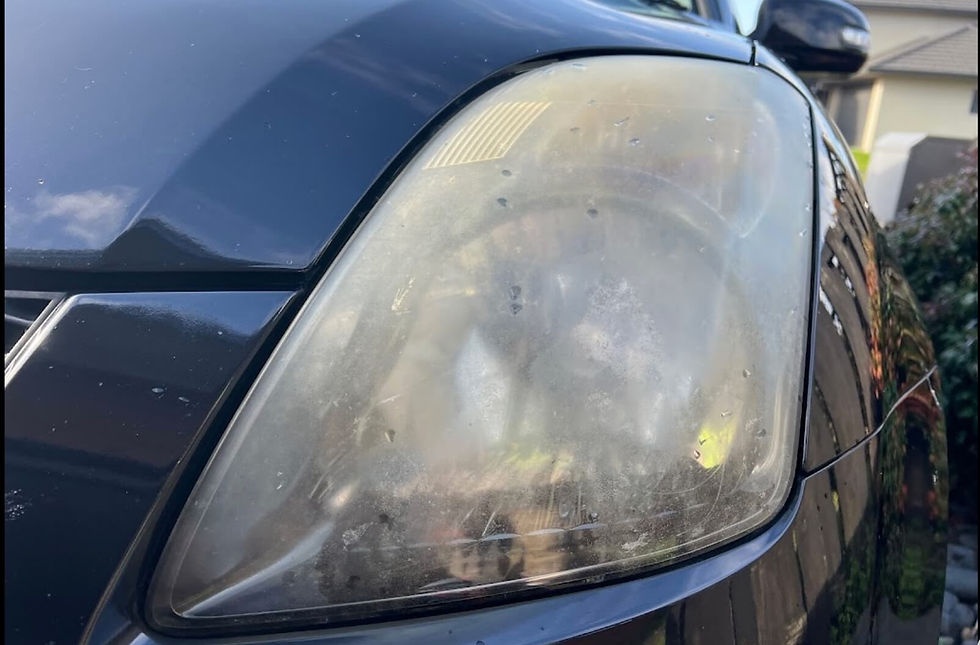
Avoid drilling holes into the housing. That old garage remedy may let water out, but it also invites dust, insects and more moisture inside. Blasting the lamp with a heat gun is equally unwise. Excessive heat can deform plastic, damage seals and turn an ordinary fogging concern into an actual repair.
Applying silicone around every visible seam is not much better unless the leak has been located properly. It can trap moisture, block designed vents and make later repairs difficult.
If the haze clears and stays away, the lamp was probably behaving normally. If water collects, the beam changes or the electronics begin flickering, the headlight needs attention.
A little mist is weather. A puddle is a problem.