The Seller Warmed Up the Used Car Before You Arrived. That May Not Be a Favor
by AutoExpert | 20 July, 2026
The car is parked out front, freshly washed and looking suspiciously pleased with itself. The seller hands over the key, mentions that it “runs beautifully,” and points out that the engine is already warm because the car had to be moved.
Maybe that is exactly what happened. Maybe the seller wanted the air conditioning running before the appointment. Maybe another buyer took it for a drive. Maybe the car genuinely had to be moved from one end of the lot to the other.

Or perhaps there is a noise that lasts three seconds when the engine starts cold, followed by perfect mechanical manners for the rest of the day. That is why a cold start used car inspection matters.
Engines behave differently after they warm up. Oil circulates more easily, metal components expand, idle speed settles, and the battery has already recovered from the hardest start of the day. A car that sounds smooth after 20 minutes on the road can be rather less convincing at seven in the morning.
The cold start is not a magic test that exposes every hidden problem. It is simply one of the few moments when the car has not had time to compose itself.
Arrange the viewing in advance and ask the seller not to start the engine before you arrive. Make the request clearly. “Please leave it completely cold” is harder to misunderstand than “Don’t warm it up too much.”
When you arrive, do not start the car immediately. Open the hood and carefully check whether the engine feels warm. The upper radiator hose can also offer a clue, but avoid touching exhaust components or reaching around an unfamiliar engine bay. Parts can remain dangerously hot long after the car has been switched off.
The temperature gauge may reveal the answer as soon as the ignition is turned on. If it is already sitting above cold, the engine has been running recently.
A warm engine is not proof of dishonesty. It is, however, a reason to postpone the mechanical judgment. If the seller promised a cold car and produced a warm one, ask to return another day. A serious seller should understand why.
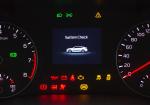
Before pressing the starter, turn the ignition on without starting the engine. Most warning lights should illuminate briefly. This confirms that the bulbs or display icons are working rather than conveniently absent. Once the engine starts, those lights should go out in the normal sequence.
Now listen.
The engine should crank with confidence. A slow, labored turn may point to a weak battery, poor electrical connections, starter trouble, or an engine that is harder to rotate than it should be. One reluctant start does not diagnose the problem, particularly on a freezing morning, but it certainly earns further investigation.
The engine should also start without an extended argument. A few revolutions can be normal. Long cranking, repeated attempts, or a need to press the accelerator deserves attention.
Once it catches, resist the temptation to rev it immediately. Let it idle and pay attention to the first minute.
A brief rise in engine speed is normal on many cars. The computer may command a faster idle to warm the engine and emissions equipment. What matters is whether the idle settles smoothly or begins hunting up and down, shaking the cabin, stumbling, or threatening to stall.
A quick mechanical sound at startup can be harder to judge. Some engines are naturally busy when cold. Direct-injection systems can produce a steady ticking noise that sounds alarming to anyone accustomed to older, quieter engines.
A sharp rattle is different, particularly if it happens every cold morning and then disappears. It could involve a timing-chain tensioner, variable valve-timing hardware, low oil pressure, or another component waiting for lubrication to arrive. The precise cause requires proper diagnosis. The useful part for the buyer is hearing the noise before paying for the car.
Move to the rear and look at the exhaust.
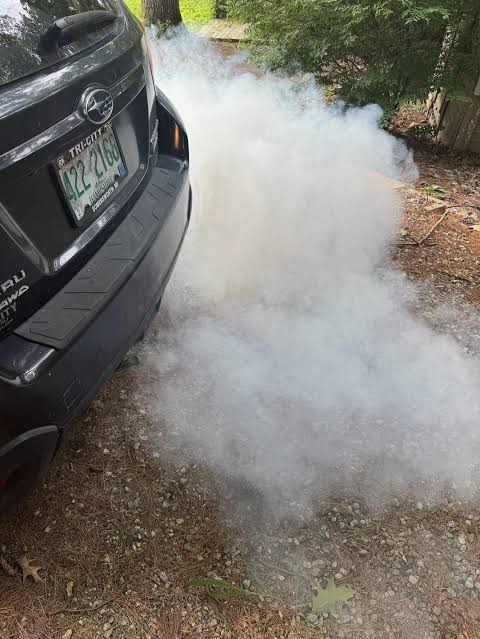
A small cloud of white vapor on a cold morning is usually condensation. Water is a normal product of combustion, and a cold exhaust system turns some of it into visible steam. It should fade as the exhaust warms.
Blue or bluish-gray smoke suggests the engine may be burning oil. Black smoke can point to an overly rich fuel mixture. Thick white smoke that continues after the engine warms may indicate coolant entering the combustion process, especially if it carries a sweet smell or the coolant level is low.
Smoke colors are not always easy to distinguish, particularly in poor light. The important question is whether the cloud is brief and expected or heavy, persistent, and accompanied by other symptoms.
The first cold start can expose leaks too. Look beneath the car before it is moved, then inspect again after the engine has run for several minutes. Fresh oil, coolant, transmission fluid, or fuel deserves an explanation. Clear water beneath the passenger side after the air conditioning has been running is usually harmless condensation.
Let the car reach normal operating temperature during the test drive. A good cold start does not tell you whether the cooling system works properly, the transmission shifts cleanly when hot, or the engine maintains oil pressure after a long drive.
It also does not replace an independent pre-purchase inspection.
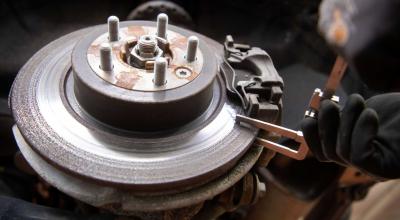
A mechanic can put the car on a lift, scan its computers, inspect the brakes and suspension, identify old leaks, examine previous repairs, and spot damage that no driveway test will reveal. The FTC recommends an independent inspection even when a vehicle-history report looks clean, because reports only contain information that was recorded and submitted.
If a seller refuses to allow an inspection, that refusal is more informative than any polished sales pitch.
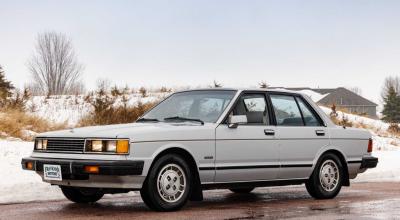
Used cars do not need to be silent, spotless, or mechanically young. A ten-year-old engine is allowed to sound like it has lived a little. The goal is not to find perfection. It is to know what the car does before warmth, fresh oil circulation, and a friendly salesperson have had time to smooth the edges.
A warm welcome is lovely when visiting somebody’s home. When buying their used car, cold is far more useful.