Those Black Dots Around Your Windshield Have Been Hiding Several Important Jobs
by AutoExpert | 24 July, 2026
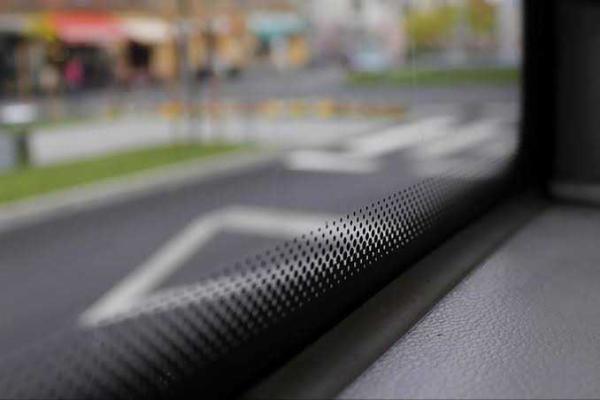
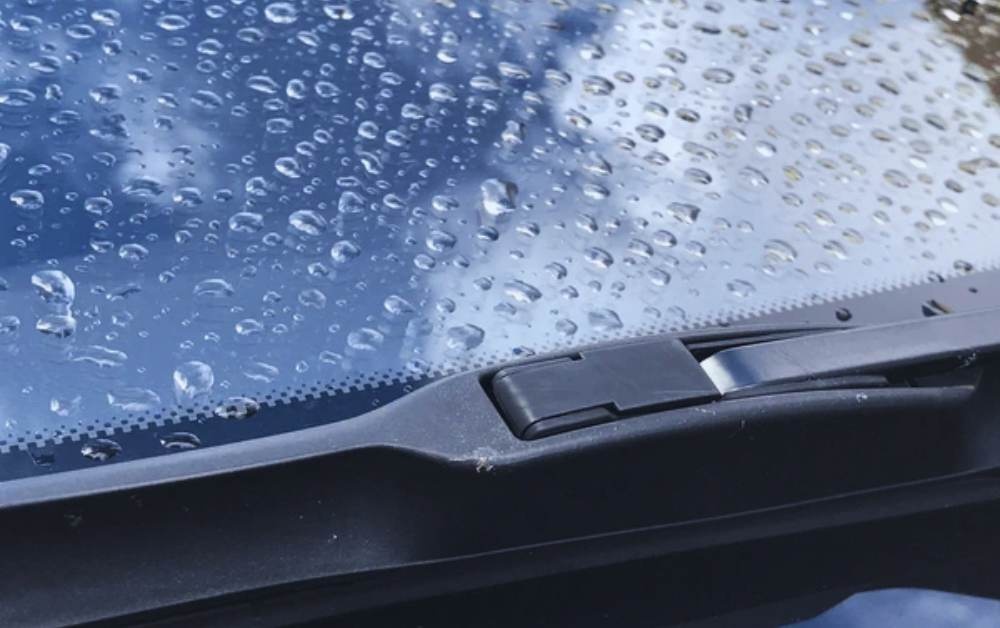
They run around the edge of almost every modern windshield: a solid black border that gradually breaks into smaller and smaller dots before disappearing into clear glass.
Most drivers have stared through them in traffic without giving them much thought. They look decorative, perhaps a little like the faded edge of an old newspaper photograph.
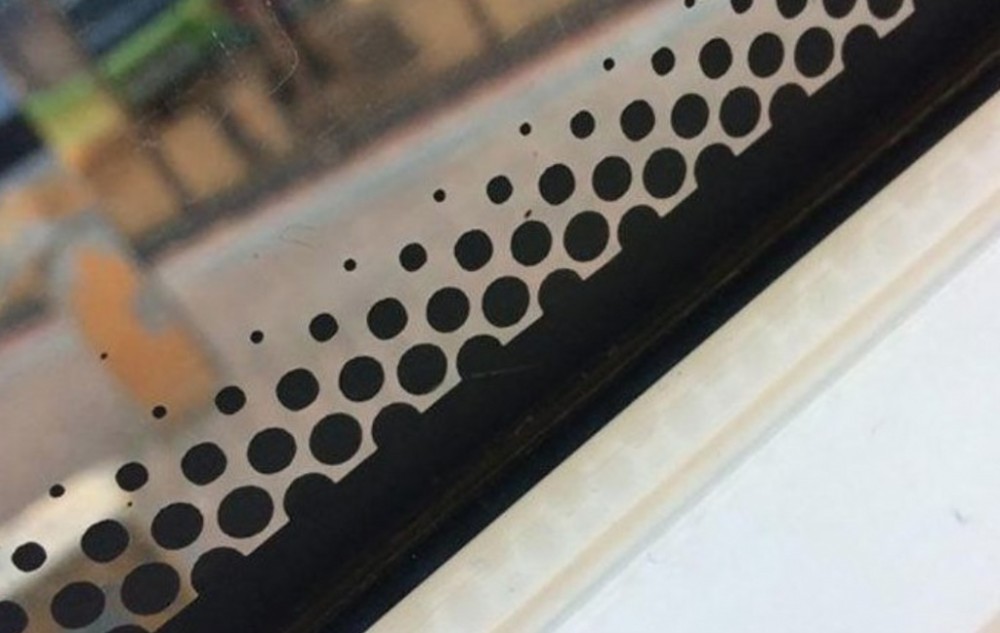
The pattern does improve the appearance of the windshield, but calling it decoration misses the important part. Those dots belong to a larger ceramic coating known as the frit, and the solid black section beside them helps keep the windshield attached to the car.
The black border is baked into the glass
Modern windshields are bonded to the vehicle with strong urethane adhesive. That adhesive does more than stop rain from entering the cabin. A properly bonded windshield contributes to the body’s structural performance and must remain secure during a collision.
The solid frit band provides a suitable surface for the bonding system while hiding the adhesive from view. Without it, occupants could see an uneven line of black urethane around the glass, complete with every small variation from the installation process.
More importantly, the opaque band shields the adhesive from ultraviolet light. Years of direct sunlight can weaken materials that were never meant to spend their lives exposed to it. The frit acts like permanent sunscreen for the bond beneath it.
Unlike window tint or a printed sticker, the ceramic material is applied during manufacturing and fired onto the glass. It cannot normally be wiped away with cleaner or scratched off with a fingernail.
Glass Doctor explains that the frit supports the windshield’s bond to the vehicle and protects the adhesive from ultraviolet exposure. An automotive-glass glossary from BlueChip similarly describes it as a baked-on enamel band with an etched bonding area.
Why does the border dissolve into dots?
A solid black line ending abruptly against clear glass would look harsh, particularly when viewed from inside the car. The shrinking dot pattern softens that transition.
This fading arrangement is called a dot matrix. It gives the border a cleaner, more deliberate finish and makes the edge less distracting in the driver’s field of view.
The gradient can also help manage the transition between the dark ceramic band and the surrounding glass during manufacturing and sun exposure. Black material absorbs more heat than clear glass, so avoiding one brutally sharp boundary can reduce visible optical effects near the edge.
The exact pattern varies by manufacturer. Some windshields use neat rows of circular dots. Others use diamonds, elongated shapes or surprisingly elaborate designs. Once noticed, they become one of those details that are difficult to stop noticing.
The extra patch behind the mirror has another job
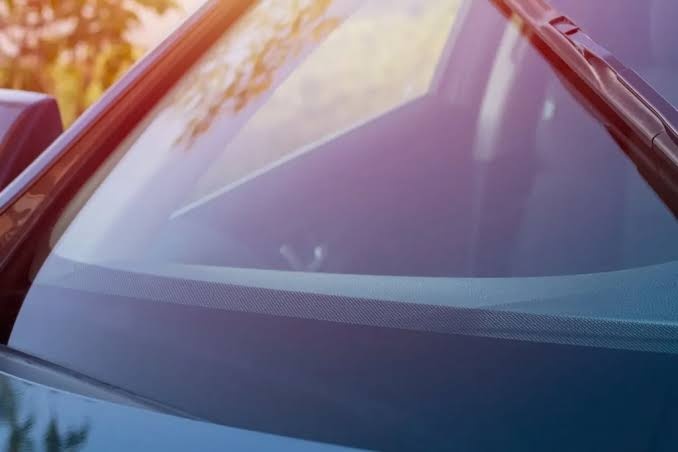
Many cars have a cluster of black dots around the rearview mirror, separate from the border around the windshield. This area is often called a third-visor frit.
The name makes sense as soon as both sun visors are lowered. A gap remains between them, directly above and around the mirror. The extra dot pattern reduces the amount of sunlight shining through that awkward space without blocking the driver’s view completely.
On newer vehicles, the same area may surround cameras, rain sensors, light sensors and toll equipment. The black coating conceals brackets and electronics from outside, giving the windshield a much cleaner appearance.
That does not mean every dotted area is available for accessories. A phone mount, sticker or dashcam placed in the wrong spot can interfere with a forward-facing camera or sensor. The owner’s manual normally identifies the areas that must remain clear.
When a windshield is replaced, the frit pattern should suit the vehicle’s sensor package and mirror arrangement. Two pieces of glass may have the same outer dimensions while differing around the camera housing, antenna or driver-assistance hardware.
The dots need no special maintenance. Ordinary glass cleaner is fine, and there is no reason to polish, scrape or coat them separately. Damage appearing inside the black border, however, should be shown to an automotive-glass professional, particularly if the windshield has begun leaking or separating near the edge.
They may look like a styling flourish, but the black dots are doing real work. They hide the messy parts, protect the important ones and make a complicated piece of safety glass look wonderfully simple.