
What 5W-30 Actually Means, Because Most Drivers Were Never Really Told
by AutoExpert | 31 March, 2026
Motor oil is one of those things most drivers use without really thinking about. They know their car takes 5W-30 or 0W-20, and that is usually where the thought process ends. As long as the right bottle goes in, all is well. But those numbers are not random, and they are not nearly as mysterious as they look.
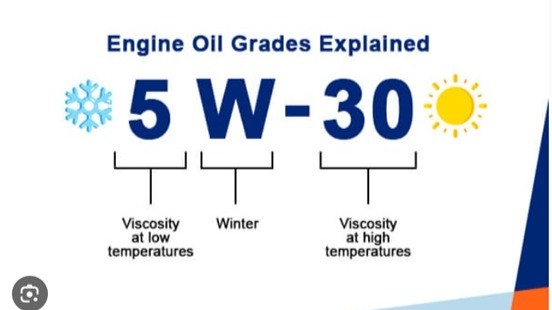
What they are really describing is how the oil behaves when the engine is cold and when it is hot.
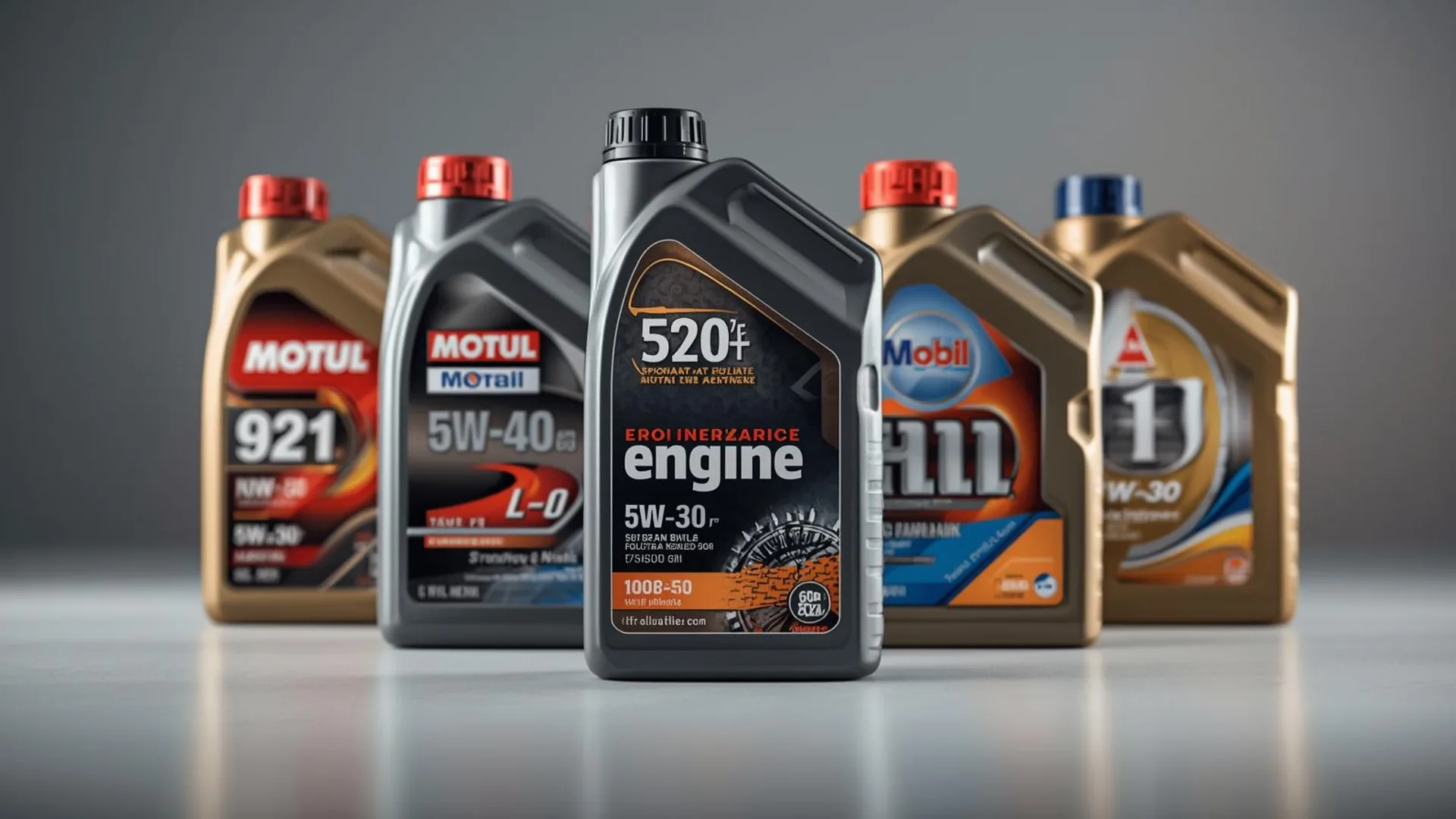
The first number, the one before the W, is about cold weather. The W stands for “winter,” not “weight,” which is what a lot of people assume. The lower that number is, the easier the oil flows when temperatures are low. So 0W oil moves more easily in the cold than 5W, and 5W flows better than 10W. That matters most at startup, when the engine needs oil moving through it quickly.
The second number is about what happens once the engine warms up. That tells how thick the oil stays under heat. A 30 will stay thicker at operating temperature than a 20, which means the oil is better able to keep a protective layer between moving engine parts when things get hot.
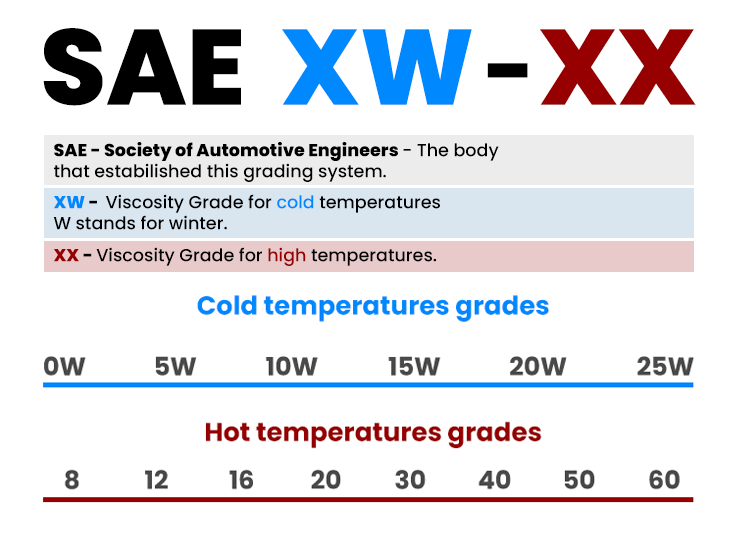
That is why the full number matters. A 5W-30 and a 0W-30 are not the same in cold weather. A 5W-30 and a 5W-20 are not the same once the engine heats up. It is not just branding or some technical detail meant to confuse people. The oil grade is there because the engine was designed to work with a certain type of flow and protection.
As for using the wrong oil, one small mistake usually is not a disaster. If a little of the wrong grade gets added in a pinch, the car will probably survive just fine until the oil can be changed properly. But if the entire engine gets filled with the wrong grade, that is something worth fixing sooner rather than later.
Years ago, drivers were more likely to swap oil depending on the season. Modern oil has made that much less necessary, because it is designed to handle a wider range of temperatures. Even so, the simplest rule still holds up: check the owner’s manual and use what the manufacturer recommends.
That is really all these oil labels are telling a driver. How well the oil flows on a cold start, and how well it holds up once the engine is hot. Once that clicks, the numbers stop looking so complicated.