Kia Carnival Owners Need To Check This Recall Before The Next Family Drive

by AutoExpert | 10 June, 2026
A minivan recall never sounds dramatic at first. It sounds like paperwork. A letter in the mail. A service appointment to squeeze in between school pickup, groceries, work, and the 47 other things already fighting for space on the calendar.
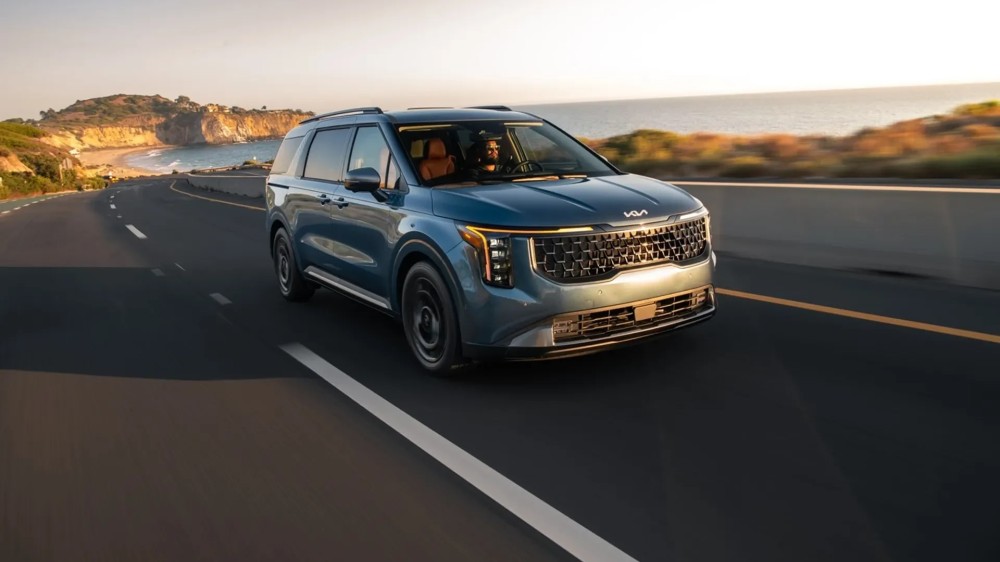
But this one is not the kind of recall to shrug off. Kia has recalled more than 141,000 Carnival minivans from the 2022 to 2026 model years because of a fuel leak risk. And a fuel leak near a hot engine is not one of those “maybe fix it when you get around to it” problems.

That is the sort of sentence that should make an owner stop and check the VIN. The issue involves the connection between the fuel pipe and the fuel rail. Over time, a fuel pipe nut can loosen. If that happens, fuel can leak. That is already bad enough. Add engine heat, summer traffic, a long idle in a school pickup line, or a stop-and-go commute, and the risk becomes much more serious.
Nobody buys a minivan expecting excitement. That is the whole point. A Carnival is supposed to be the practical car. The family car. The “throw the bags in, buckle everyone up, and go” car. So if one is affected by a fuel leak recall, the right move is simple: check it now, not later.
What Kia Carnival Owners Need To Know
The recall covers 2022 to 2026 Kia Carnival minivans, but the details are a little more specific than just the model year. All 2022, 2023, and 2024 Carnival models are included. Some 2025 and 2026 models are also affected, depending on build and engine production details. That is why guessing by year is not good enough.
Two Carnivals can look the same in a driveway and have different recall status. The VIN is what matters.
That 17-character number tells the official recall system whether a specific vehicle is affected. It is usually visible through the windshield on the driver’s side dashboard. It is also listed on registration paperwork and insurance documents.
Once the VIN is in hand, go to NHTSA.gov, open the recalls section, and enter the number. The system will show whether that exact Carnival has an open recall and what action is needed. It takes less time than unloading a week’s worth of grocery bags from the back.
Why Waiting Is A Bad Idea
The problem with fuel leaks is that they do not politely stay theoretical. A loose fuel pipe nut may sound small. Almost too small to worry about. But the part matters because of where it is and what it carries. Fuel belongs sealed inside the system. Once it starts escaping, the situation changes. A leak near hot engine parts can create a fire risk, and that is not something any owner should gamble with.
This is especially true for a family vehicle. Minivans spend their lives doing exactly the kind of driving that can make heat build up: idling, short trips, school lines, traffic, errands, long summer drives with the AC working hard. They are not weekend toys sitting in a garage. They are used constantly.
That is why this recall deserves attention even if the vehicle seems perfectly normal. No smell. No warning light. No strange noise. Still check. A recall means the issue is known, documented, and serious enough that the manufacturer is required to fix it.

The Repair Should Be Free
Kia dealers are supposed to inspect the fuel pipe connection and either tighten or replace the needed fuel pipe components. The owner should not be charged for the recall repair.
That is how safety recalls work. It does not matter whether the vehicle was bought new, bought used, financed, paid off, or picked up from a private seller. If the VIN is included in the recall, the repair is covered. Owners can also call Kia customer service at 1-800-333-4542, but the VIN lookup is usually the fastest first step.
The only annoying part may be scheduling. Dealers can get busy after recall letters go out, especially when a lot of vehicles are involved. That is another reason to check early and get on the calendar.
Do Not Rely On The Letter
A lot of owners assume they would know if their vehicle had a recall. That sounds reasonable. But in real life, recall notices miss people all the time. Maybe the owner moved. Maybe the vehicle was bought used. Maybe the letter went to someone else. Maybe it arrived, got tossed into a pile, and never made it back out. Maybe the envelope looked like boring dealership mail and nobody opened it.
That happens. And with a recall like this, waiting for the perfect notification system is not worth it.
The official recall was issued in April, with owner notices expected to begin going out in early June. But mail is slow, and families are busy. A VIN check is faster and more reliable than hoping the right letter reaches the right kitchen counter.
This Is The Habit Every Owner Should Build
The Kia Carnival recall is the urgent example, but the bigger lesson applies to every car. Check the VIN once in a while. Not because every recall is terrifying. Many are small fixes. Some are software updates. Some are parts that may never fail on a specific vehicle.
But some are not small. Some involve fire risk, airbag problems, braking issues, steering trouble, or warnings not to drive the vehicle at all. The NHTSA recall tool shows open recalls tied to a specific VIN. It is not guessing based on make and model. It checks that exact vehicle.
That is the habit worth keeping. Especially for used cars. Especially for family vehicles. Especially for cars that carry kids, pets, grandparents, sports gear, and everyone else who depends on that thing starting, stopping, and not doing anything terrifying.
The Bottom Line
If there is a 2022 to 2026 Kia Carnival in the driveway, check the VIN. Do not wait for a letter. Do not assume the dealer would have mentioned it. Do not assume the car is fine just because it feels fine. A loose fuel pipe nut may sound like a small piece of hardware, but the risk attached to it is not small.
Check the recall. Call the dealer. Schedule the repair. A minivan’s job is to make family life easier, not more dangerous.