This Chinese Corvette Replica Costs $150,000 And All 199 Have Sold
by AutoExpert | 13 August, 2026
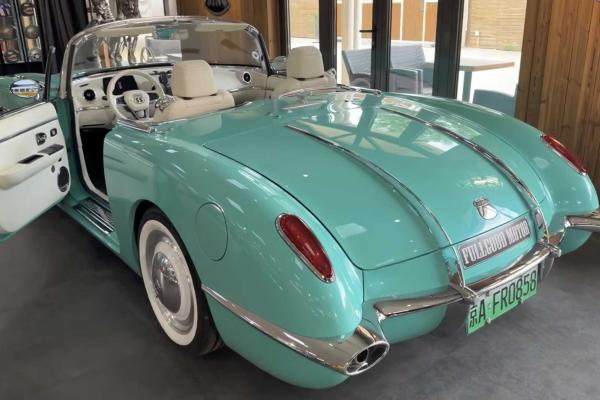
The FullGood Motor SS Dolphin sounds like a strange combination of words and ideas. A Chinese company, a BYD platform, a plug-in hybrid, and the unmistakable shape of a 1950s Chevrolet Corvette. Somehow, the formula worked well enough for all 199 examples to reportedly find buyers at around $150,000 each.
FullGood Motor comes from China, where American car culture has clearly left a mark. The company builds vehicles inspired by classic American designs, especially the hot rods and custom cars of the 1950s. The SS Dolphin takes that obsession to its most obvious extreme.
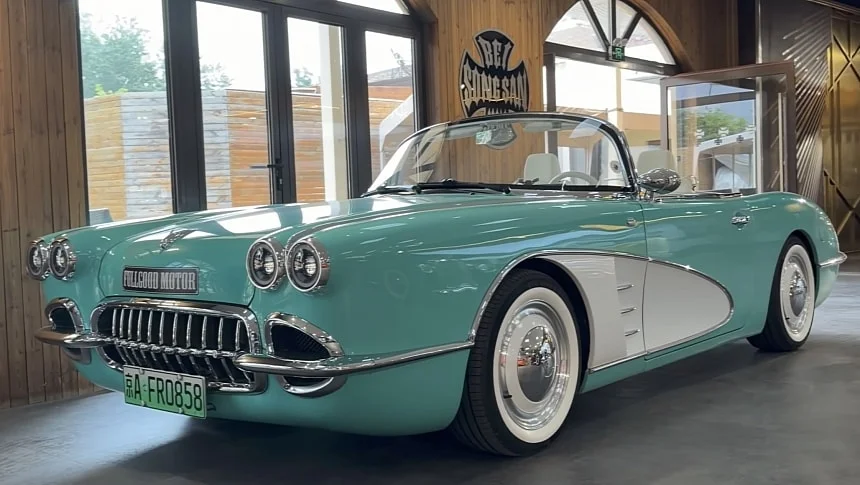
Its body closely resembles the first-generation Corvette, but underneath sits a BYD Qin Pro. That means the retro-looking sports car started life as an affordable Chinese sedan before FullGood transformed it into something aimed at a very different kind of customer. The powertrain also uses plug-in hybrid technology.
The $150,000 price makes the story even stranger. For that money, buyers could look at plenty of serious performance cars, including a Chevrolet Corvette Z06. Yet FullGood reportedly managed to sell every one of its 199 Dolphin examples.
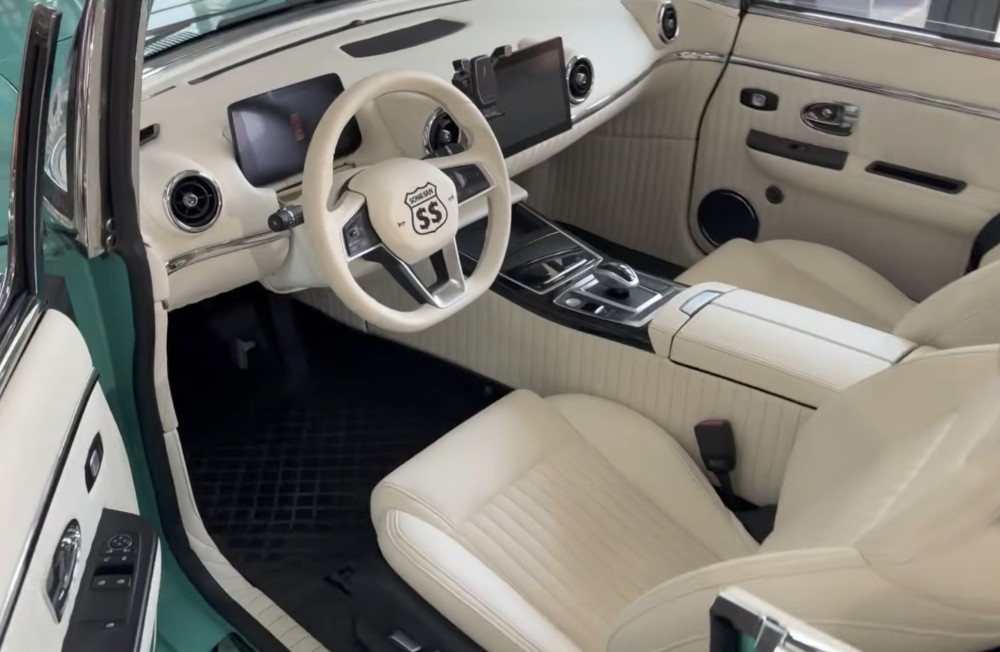
The car becomes much more ordinary once you step inside. A digital instrument cluster sits ahead of the driver, while a modern infotainment display takes up the center of the dashboard. The steering wheel carries a Route 66-style emblem with “Songsan SS” written across it, a nod to FullGood’s former name.
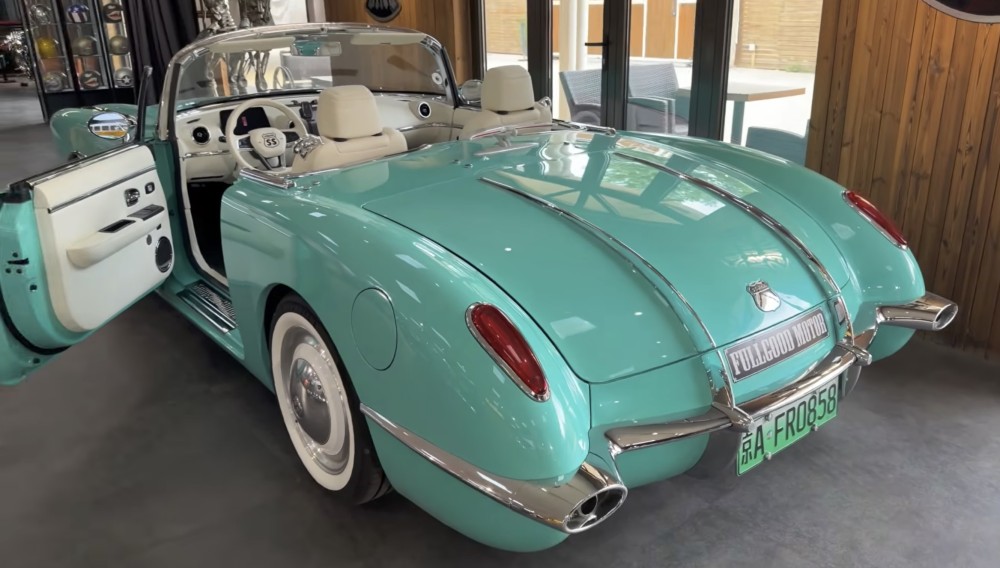
The company seems to view the Dolphin as more than a product. It serves as a rolling demonstration of what FullGood can build. The company plans to bring that approach to the United States, at least in a limited way, with an appearance at the Los Angeles Auto Show in November.
Another model could prove more important for that push. FullGood’s Summer takes inspiration from the classic Volkswagen Microbus. British engineering firm MIRA helped tune its chassis, and FullGood reportedly considers it a more serious market entry than the Corvette-inspired Dolphin.
That matters because Chinese automakers still face a huge barrier in the United States. Tariffs and connected-vehicle restrictions have effectively kept Chinese brands out of the American new-car market.
Other nearby markets have started moving in a different direction. More than 30 Chinese brands now operate in Mexico, where they accounted for 17% of new-car sales during the first half of 2026. Canada has also opened a limited path for Chinese EVs through a 49,000-unit annual quota and a reduced 6.1% tariff.
For now, Americans will probably encounter FullGood at events rather than dealerships. The LA Auto Show could give the company a useful introduction to the market, and the Summer may tell us more about whether its unusual approach has any chance of working in the West.