
Open a BMW Isetta’s Only Door and the Steering Wheel Comes With It
by AutoExpert | 1 October, 2026
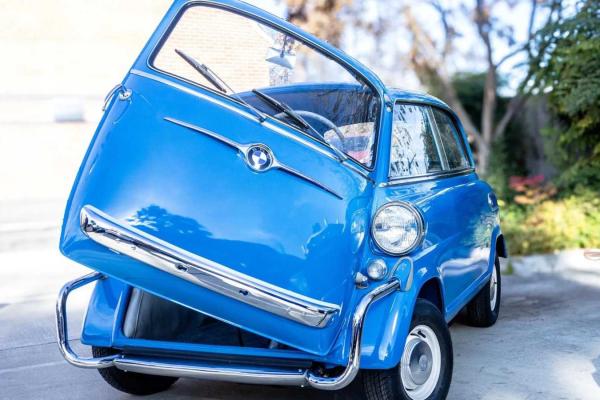
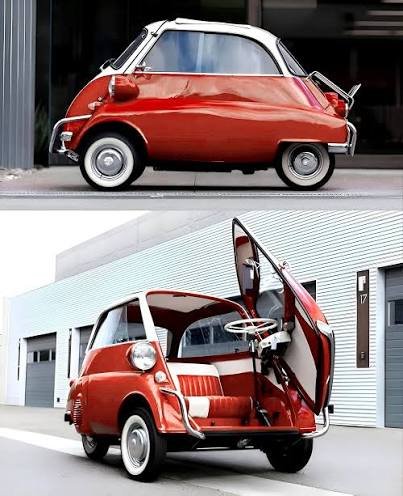
Approach a BMW Isetta with the keys and the usual question comes first: where is the door handle? The answer is on the front of the car. Open its single door and the windshield, dashboard and steering wheel move away from the seat together.
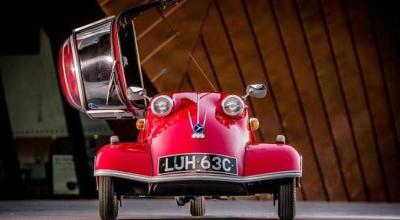
It looks like a visual gag until someone climbs in. The wheel would be squarely in the driver’s path if it stayed where it was, so carrying it outward with the door clears the entrance. The Louwman Museum’s original Italian Iso Isetta shows the same arrangement: the front hinges sideways, taking the steering wheel and column with it.
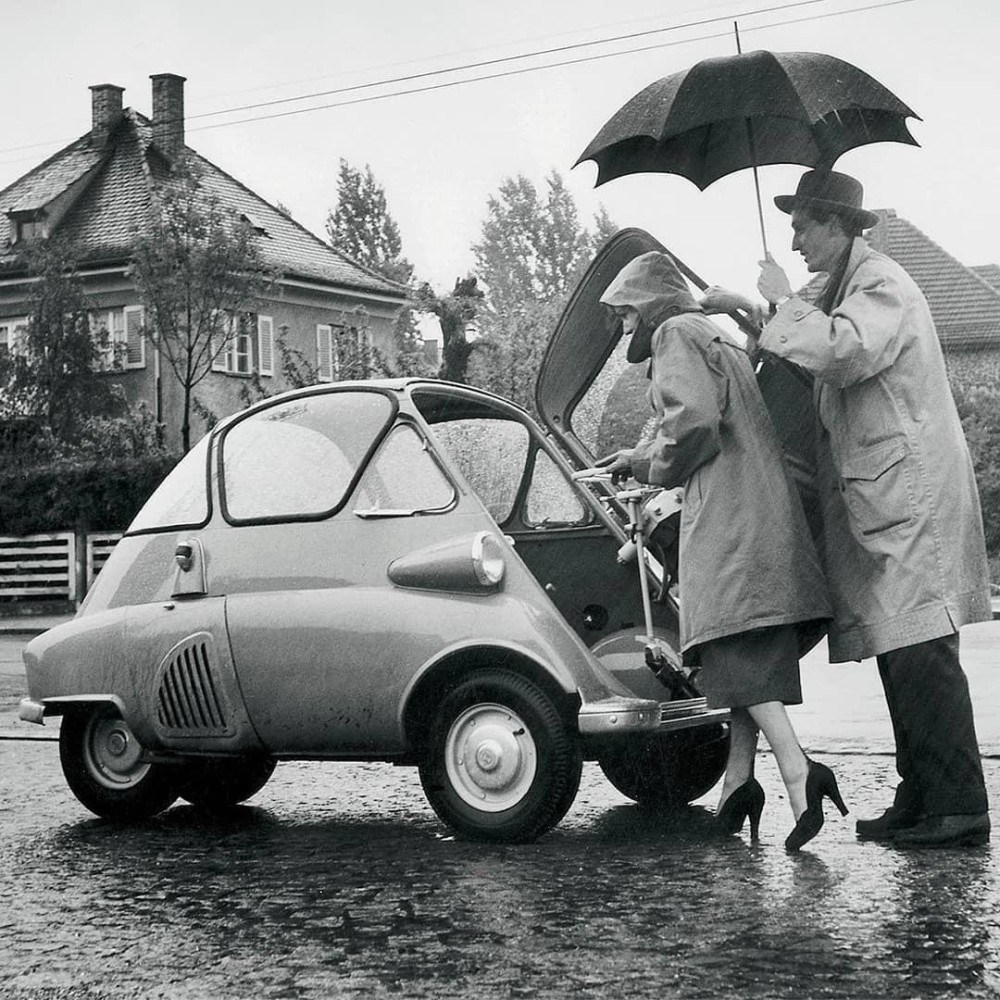
There is a practical idea inside that wonderfully strange shape. A conventional car distributes its jobs across several panels: doors at the sides, engine at one end, luggage somewhere else. The Isetta had almost no spare space to distribute.
An Italian idea with a BMW engine
The little car began with Italy’s Iso, a company associated with refrigerators before it turned to scooters and automobiles. BMW licensed the Isetta design in the mid-1950s, when it needed an affordable model that could sell in meaningful numbers. For its version, BMW replaced the Italian car’s two-stroke engine with a single-cylinder four-stroke unit derived from its R 25 motorcycle. Production began in 1955.
The engine sat behind the occupants. At the other end, the broad front panel became the entrance for both people on the bench. When the door swung open, its attached steering wheel and dashboard swung out of the way. Once everyone was seated, the whole assembly closed back into driving position. BMW’s own anniversary account describes the door, wheel and dashboard as one moving unit.
The unusual layout even changed how the car could be parked. BMW notes that an Isetta could be parked side-on to the road so its front door opened toward the pavement. There was, of course, an obvious reason to avoid nosing it right up against a wall.
Small car, serious job
Today the Isetta’s proportions invite photographs and affectionate laughter. In 1955, the appeal was much less abstract. It offered two people a roof, protection from the weather and inexpensive motoring at a time when many buyers were moving up from two wheels. BMW priced the initial car at 2,550 Deutsche marks and promoted its low running costs.
Buyers responded. BMW Group Classic records roughly 161,000 Isettas built between 1955 and 1962. Demand eventually shifted toward larger cars with more seats, but the little front-door machine had already done the job BMW needed it to do.
Its steering wheel remains the detail that makes people stop and stare. Watch it move with the door, though, and the oddity makes sense. In a car that small, even the steering wheel had to make room for the passengers.