
This Citroën DS Drove With a Rear Wheel Missing. Here’s How
by AutoExpert | 2 October, 2026
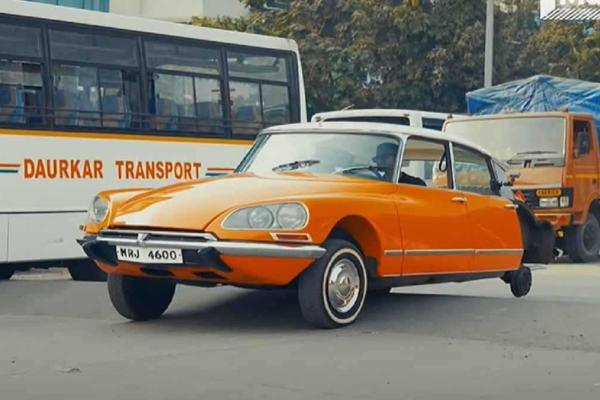
A photograph of a Citroën DS traveling with one rear wheel missing looks as though someone has caught the car halfway through a mechanical disaster. The body sits unexpectedly level. The front wheels point down the road. Where a tire ought to be, there is open space.
The image raises a fair question: can a Citroën DS drive on three wheels? It can, under carefully controlled conditions. Citroën’s heritage association describes three-wheel demonstrations at reduced speed and with a cautious driver. The trick depends on the particular way the DS carries its weight and supports its body. It is a striking engineering demonstration, not a useful response to losing a wheel on the road.

A suspension with a sense of balance
When the DS appeared in 1955, its suspension was among its most startling features. Instead of conventional metal springs at each corner, it used hydraulic pressure and gas-filled spheres to support the car. An engine-driven pump supplied pressure, and the system could correct the car’s ride height as its load changed. The driver could also raise or lower the body.
That ability made ordinary wheel changes unusual. The DS could raise itself, after which the owner could position a support and lower the body to lift a wheel clear of the ground. No one designing a roadside tire change needed to anticipate the publicity value of the car continuing down the street without that wheel.

The location of the missing wheel matters. The DS drives its front wheels. A carefully prepared car could still be steered and propelled with one rear wheel absent, while the remaining contact points and suspension supported it. Remove a front wheel and the explanation falls apart: one of the wheels responsible for steering and driving the car is gone. The three-wheel capability follows from several design choices working together, not from hydraulic suspension alone.
One of the best-known accounts involves André Garnier, a Citroën dealer in the United States. According to L’Aventure Citroën’s retelling, Garnier removed the right rear suspension assembly from a DS, dealt with the affected hydraulic and brake connections, and drove it on three wheels to show what the car could do. It is a colorful story passed on through enthusiast accounts. The important detail for understanding the machine is that he prepared the car; he did not simply pull off a wheel and set out.
The stunt has limits
A car balanced on three tires has less margin for braking, cornering and unexpected bumps. A public-road journey without a wheel would present obvious hazards regardless of how composed the DS appears in a photograph. Even Citroën’s account specifies low speed and a reasonable driver.
What makes the story worth remembering is the engineering visible beneath the spectacle. The same self-leveling system that gave a family sedan its famously smooth ride also let it hold its posture in a situation that would leave an ordinary car tilted and helpless. Most owners had no reason to try the trick. They could appreciate the cleverness every time the DS settled itself after passengers climbed aboard.