Range Rover Sport Goes Electric With 542 HP And 373 Miles Of Range
by AutoExpert | 30 September, 2026
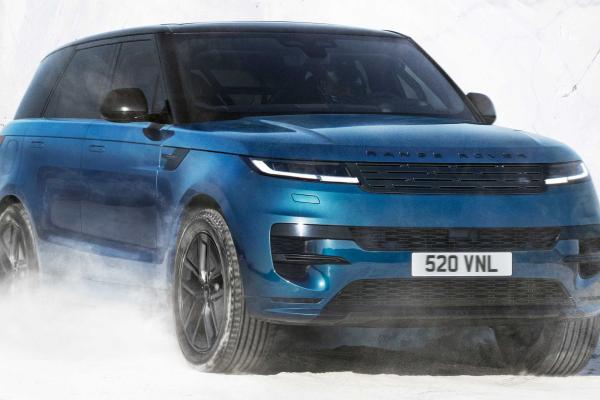
The Range Rover Sport has gone electric, but you’d have a hard time spotting the difference at first glance. The new Sport Electric keeps almost the same design as the combustion model while hiding a huge 118.5 kWh battery underneath. It can travel up to 373 miles on a charge and packs 542 hp.
The SUV uses an updated version of JLR’s MLA-Flex platform with an 800-volt electrical system. Two electric motors produce 542 hp and 627 lb-ft of torque. With Dynamic Launch Control, the Sport Electric can reach 62 mph in 4.5 seconds. That matches the acceleration time of the supercharged V8 model.
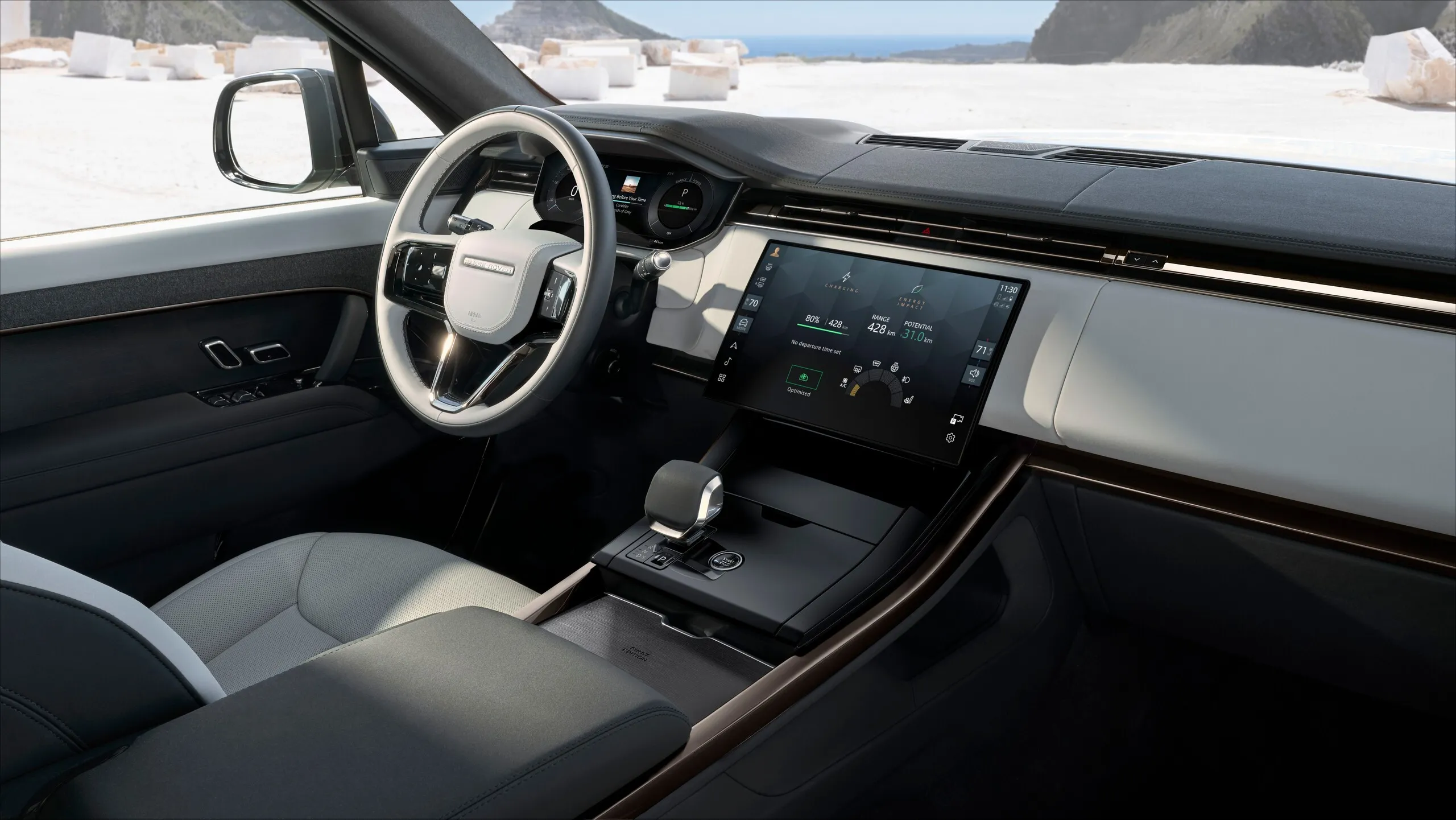
There is one thing you won’t get from the electric version: the V8 soundtrack. Range Rover has an answer for that too, though. Engineers have created a dedicated soundscape for the Sport Electric. Whether it can replace the noise of an eight-cylinder engine is another matter.
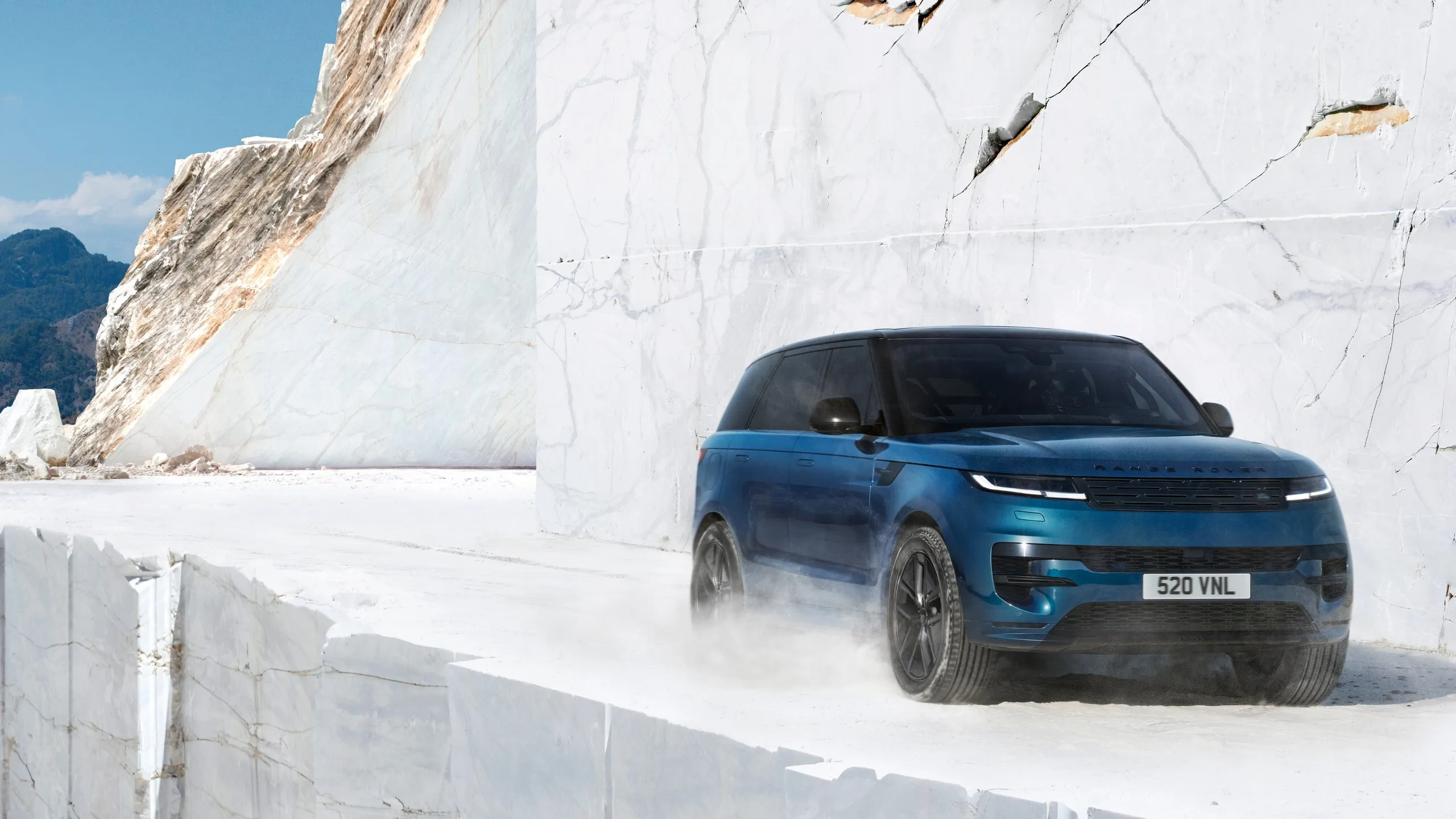
Range Rover hasn’t turned the Sport into a soft road-only EV either. The Electric gets Intelligent Traction Management, Dynamic Air Suspension and Active Roll Control. Its adaptive dynamics system monitors 100 different parameters 500 times every second. The SUV can also wade through 35.4 inches of water and tackle slopes as steep as 45 degrees. Range Rover even tested it at the Carrara marble quarries in Italy.
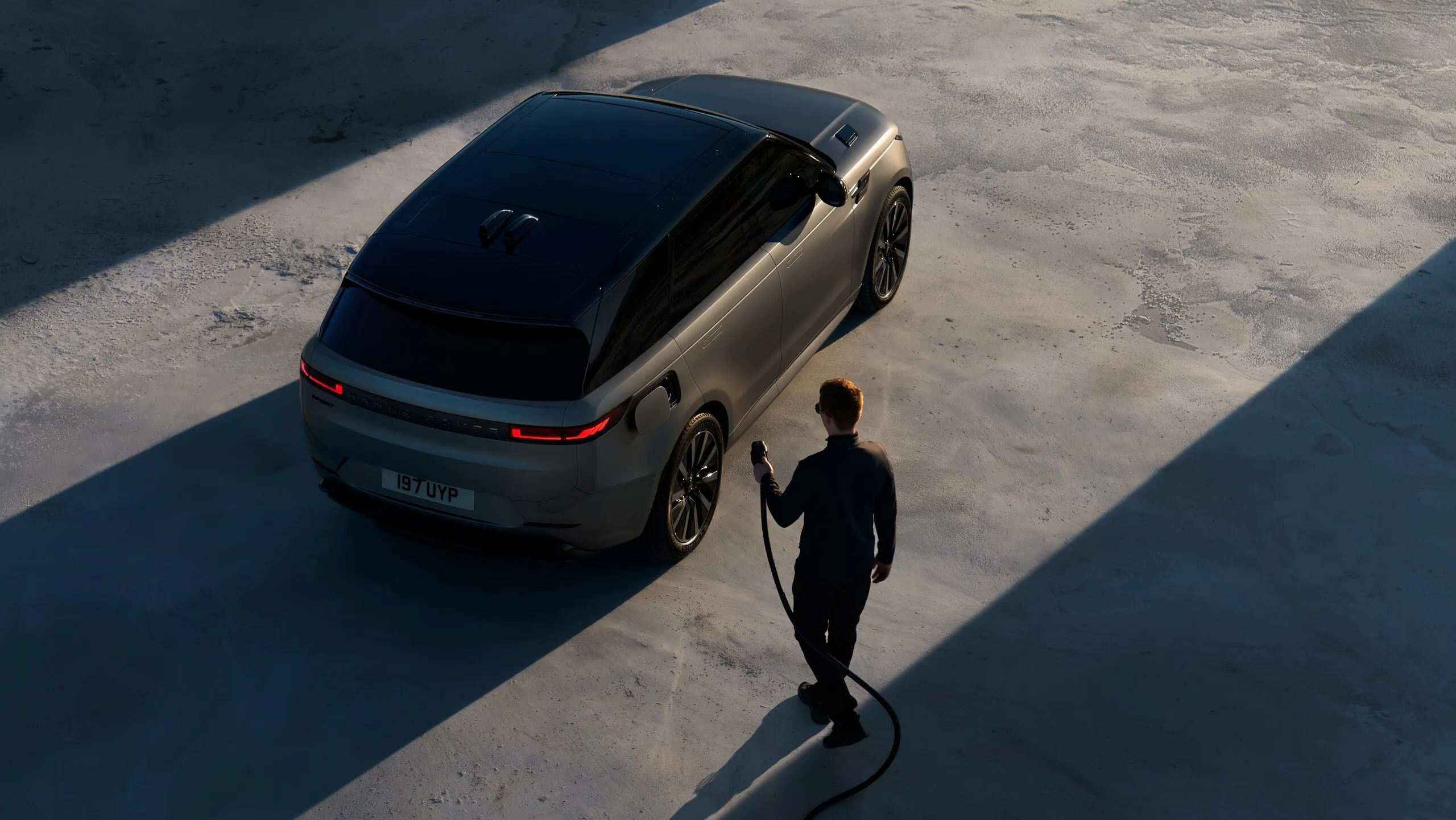
The electric powertrain brings some other changes. The body structure is 61 percent stiffer than the current plug-in hybrid Sport, while the center of gravity sits 2.8 inches (73 mm) lower. It supports DC charging at up to 350 kW, taking the battery from 10 to 80 percent in 22 minutes. Ten minutes on a suitable charger can add up to 137 miles (220 km) of range.
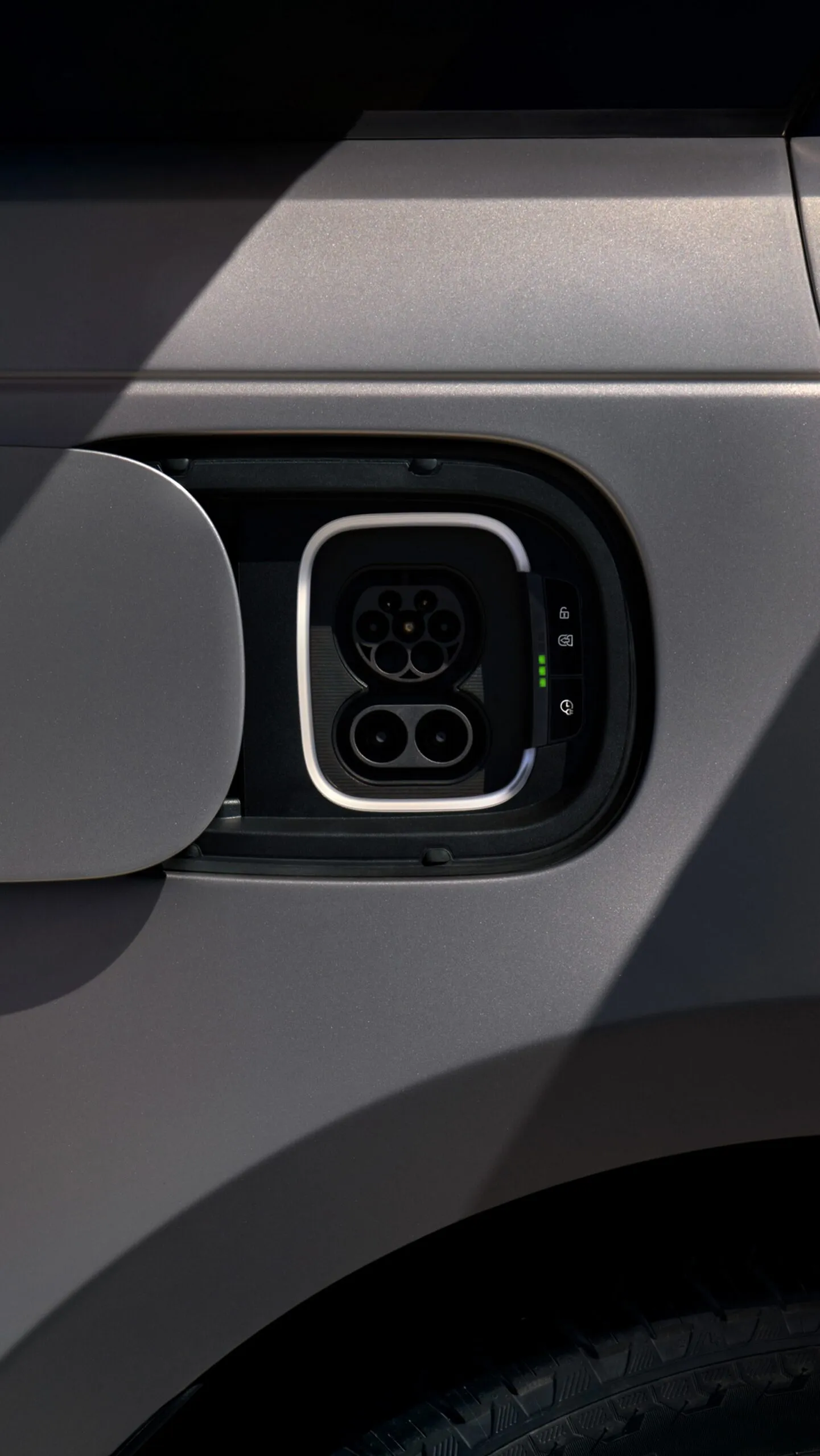
Visually, the changes are pretty subtle. There are no exhaust pipes, of course, and the EV gets a slightly more aerodynamic grille and its own alloy wheels. The Sport Electric will be offered in Dynamic HSE and Autobiography trims, with deliveries starting in selected markets during the first quarter of 2027. The US won’t get it for the 2027 model year.