
5 Companies Keeping Dead Classic Cars Alive After Automakers Gave Up On Them
by AutoExpert | 22 June, 2026
Every classic car fantasy starts the same way.
Somebody finds “the right project.” It is rough, but not too rough. Mostly complete. Needs work, sure, but they can see it already: painted, polished, sorted, finally sitting just right in the driveway like a machine rescued from history instead of dragged out of a field.
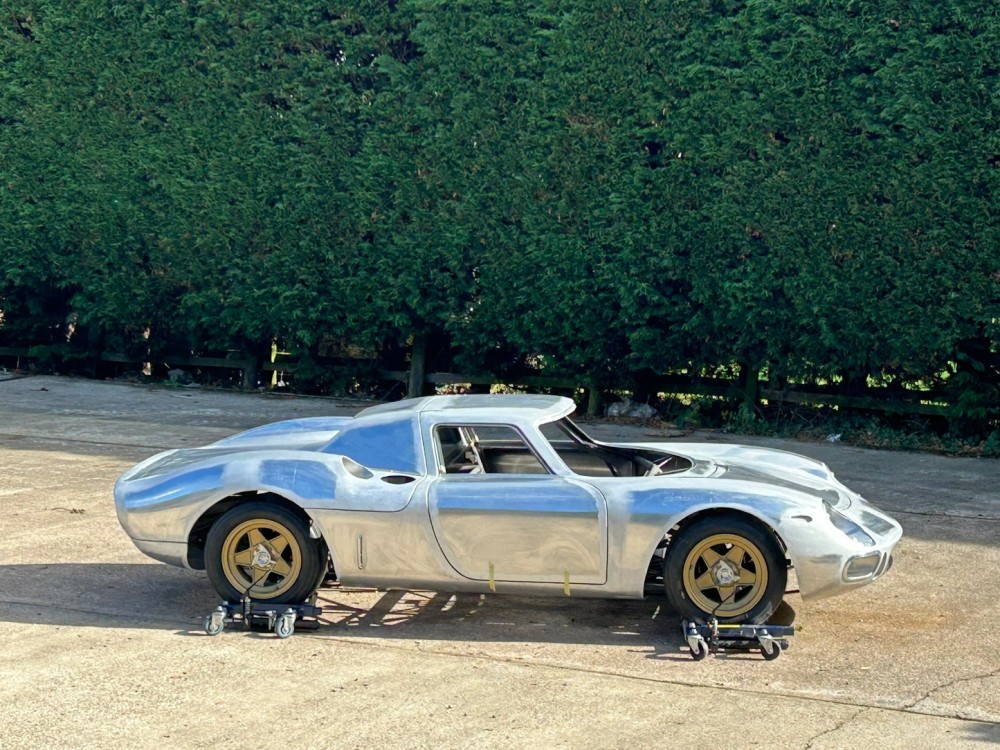
Then reality shows up.
Not the fun reality, either. The other kind. The kind where the shell is worse than expected, the rust goes deeper than anyone admitted, and half the panels you need have not been available from the original manufacturer in years. That is usually the point where a restoration either becomes a life-consuming obsession or quietly dies behind a tarp.
This is exactly why companies that build reproduction bodies and body panels matter so much.
Because sometimes the difference between “dream project” and “parts donor” is whether somebody, somewhere, still knows how to stamp a door skin, build a shell, or recreate an entire body the factory abandoned decades ago.
And in some corners of the classic car world, the aftermarket has become better at keeping old icons alive than the brands that built them in the first place.
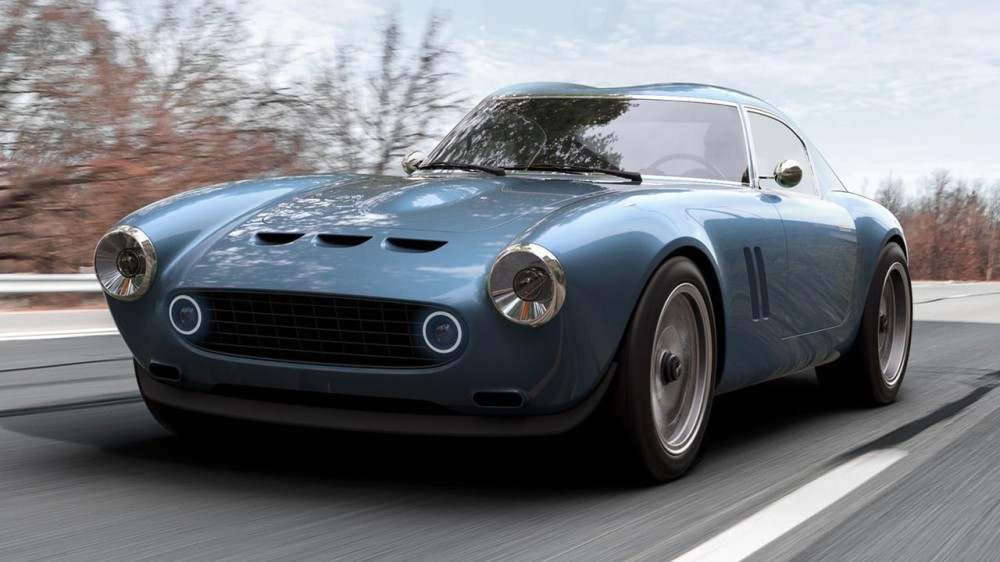
Take GTO Engineering, for example. This is not budget restoration territory. This is the deep end, where people are obsessed with old Ferraris and the numbers attached to them start becoming frankly ridiculous. GTO Engineering built its name around servicing and restoring some of Ferrari’s most revered classics, then decided that restoring them was not enough. It went a step further and recreated some of the most mythical 250-series cars in-house. Not cheap, obviously. These were million-dollar recreations, not sensible weekend toys. But when the originals can trade hands for ten or twenty times that, you start to understand the logic. It is rarefied stuff, yes, but it proves a point: if the original is too scarce, too valuable, or too fragile to use properly, somebody will build you a body that gets you much closer to the experience.
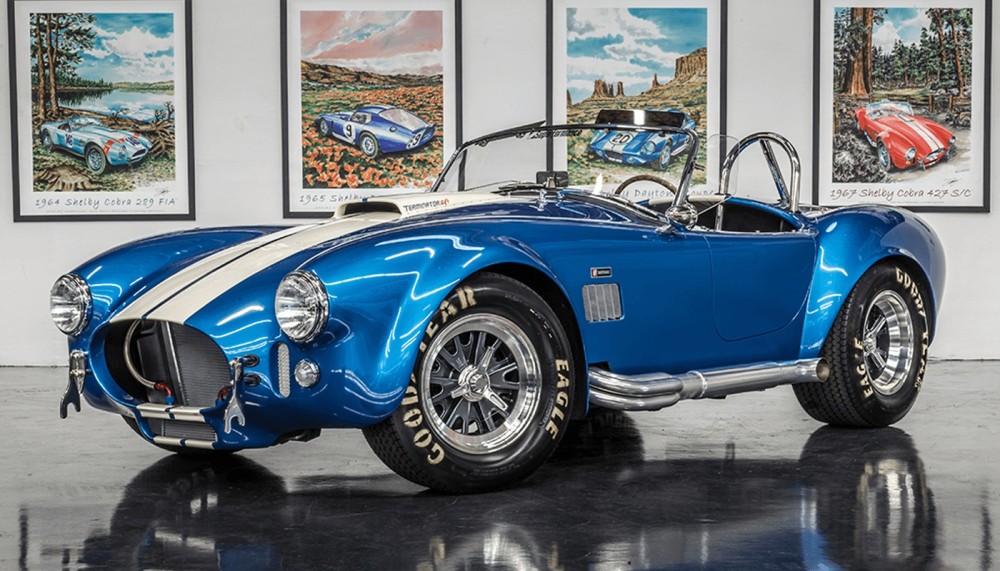
Superformance lives in a different universe, but the same basic idea applies. This is the company for people who love the shape and attitude of old American and Anglo-American performance legends, but are not interested in spending years chasing a basket case that may never be right. Cobras, Daytona Coupes, GT40s, Corvette Grand Sports, this is the menu. Superformance has built an empire on turning these old heroes into usable, high-quality recreations. And that matters, because for a lot of people the appeal is not originality at all costs. It is getting the look, the drama, and the experience without inheriting fifty years of rust, compromises, and questionable old repairs. Purists may twitch at that, but plenty of people would rather drive the thing than spend the next six years trying to find a correct rear quarter panel.
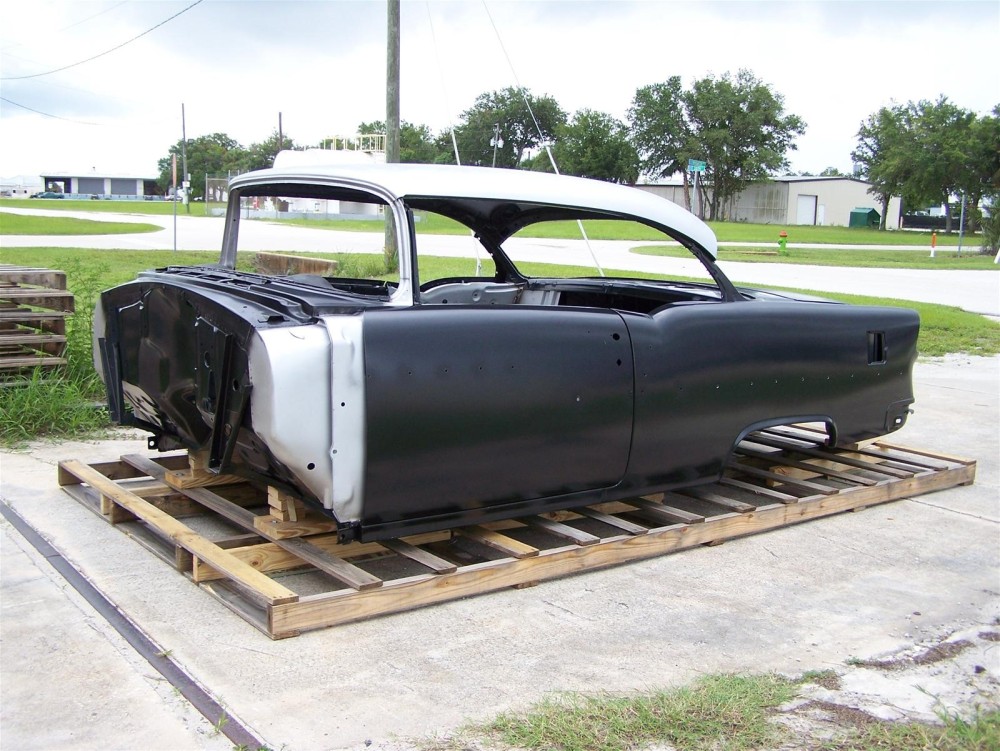
Then there is Real Deal Steel, which sounds exactly like a company that would make old American body panels, and thankfully does. This is the kind of business that understands something deeply important about classic American metal: sometimes what people need is not a trim piece or a patch panel, but basically the whole car again. Real Deal Steel builds complete steel bodies for a range of beloved old American models, especially from the Chevrolet, Firebird, and Jeep worlds. That is a huge deal for restorers, because bodywork is where so many projects go to die. Rust is expensive. Labor is expensive. The romantic idea of “saving the original metal” gets a lot less romantic when the original metal is barely hanging on. Being able to buy a complete body, or even just the exact panel you need, can be the difference between actually finishing the car and spending the next decade lying to yourself about someday getting back to it.
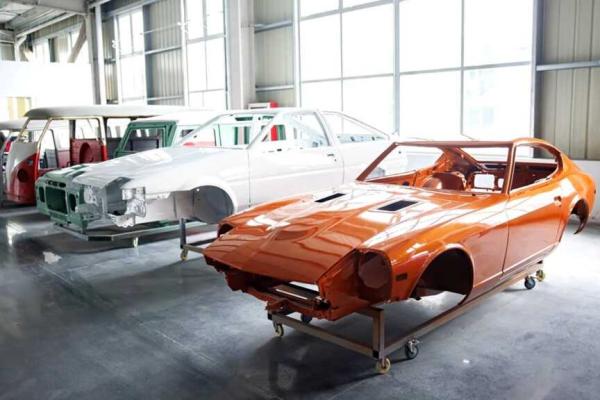
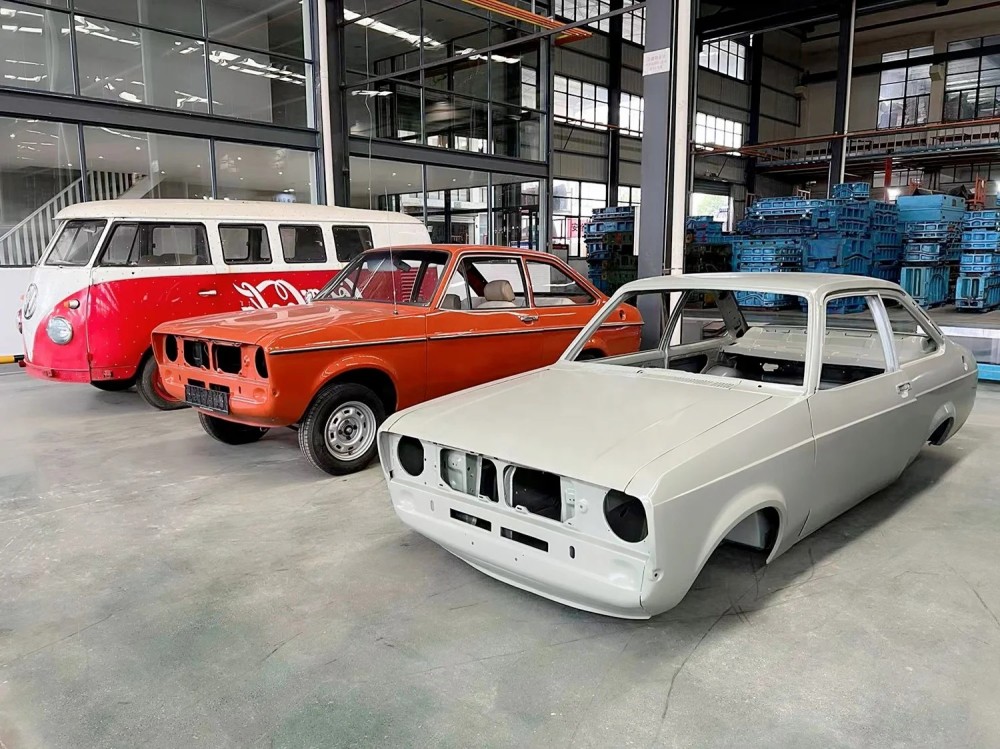
One of the most interesting players in this whole space is Jiangsu Juncheng Vehicle Industry Co., because its range is so weirdly broad that it almost sounds made up. Old Broncos, AE86s, Datsun 240Zs, classic Land Cruisers, vintage Mustangs, even old Porsche bodies, it is the sort of catalog that makes you pause and wonder who exactly is behind all this metal and how they decided these were the cars worth saving. But there is something fascinating happening there. Chinese firms have started stepping into restoration gaps that Western automakers and suppliers left wide open, and they are doing it with surprising ambition. There are complications, of course. Shipping, tariffs, legal gray areas, brand lawsuits, all the fun stuff. But if somebody is trying to rescue a car whose original body is too far gone and nobody local is making panels, those complications start to look a lot more manageable. Once again, the appeal is not hard to understand. Full-body restoration work gets expensive fast. Very fast. If a reproduction shell gets the project moving again, people are going to be tempted.
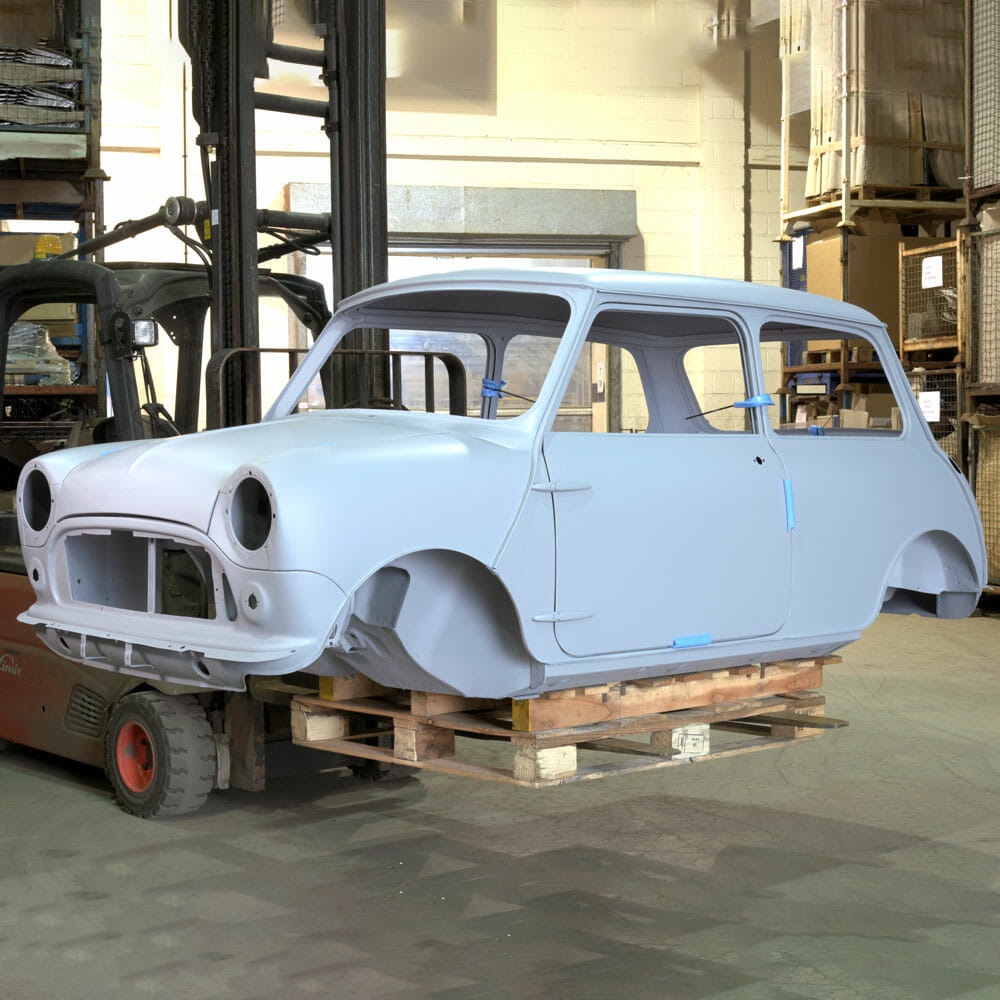
And then there is British Motor Heritage, which is probably the most charmingly British version of this whole idea. Instead of reinventing everything from scratch, the company has long leaned on original factory tooling and patterns to keep beloved British classics on the road. Minis, MGBs, Midgets, Sprites, this is proper old-school stuff, the kind of cars people get emotional about. And in fairness, they should. These cars matter. But they also rust like they were designed to dissolve politely back into the earth. That is what makes heritage shells so useful. At some point it becomes cheaper, saner, and more honest to start with a fresh shell than to pretend the original one still has enough structure left to justify all the work. The company understands that, and so do the restorers buying from it.
What ties all these companies together is not just manufacturing. It is permission.
Permission to keep going when the project looks hopeless. Permission to rescue cars that would otherwise get written off. Permission to choose progress over purity.
That last part matters, because classic car people love debating what counts as “real.” Original metal, original engine, original panels, original soul, and on and on forever. But a lot of that debate fades when you are staring at a shell that is mostly rust flakes and memories. At some point, the question becomes less “is this perfectly original?” and more “would you rather this car exist, or not?”
These companies are answering that question the practical way. They are saying: fine, the automaker will not make the body anymore. We will. And for a lot of restorers, that is the only reason the story gets to continue.