
Luxury Cars Have a New Player… And It’s Not Who Most Drivers Expect
by AutoExpert | 2 April, 2026
For a long time, luxury cars followed a pretty predictable script. If someone wanted something high-end, they looked to Germany first, maybe Japan or the UK next. That was just how the market worked.
That script is starting to crack.
There is a new group quietly stepping into that space, and it is coming from China. Not with cheap entry-level EVs like people used to assume, but with serious, high-end machines that are trying to compete at the very top.
And the surprising part is, they are not easing into it.
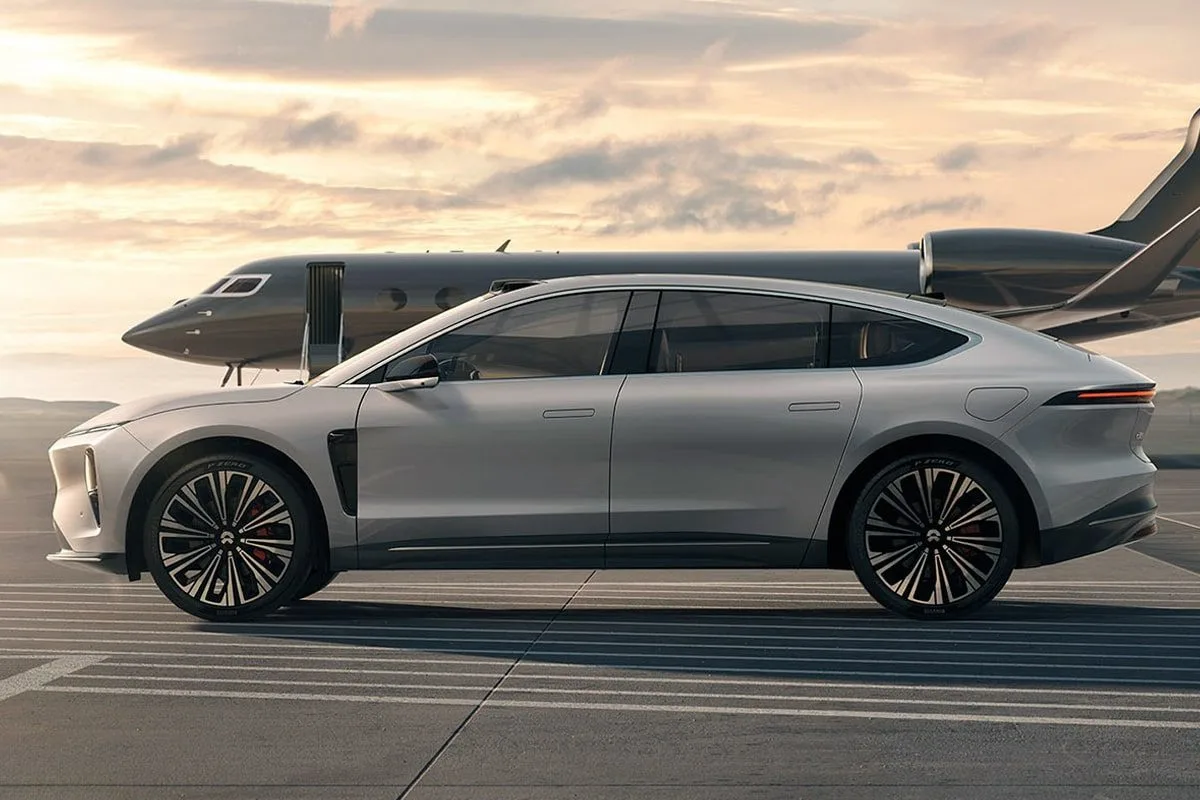
Take something like the Nio ET9. This is not a “good for the price” kind of car. It is positioned like a flagship, with close to 700 horsepower, advanced suspension, and a cabin designed more like a private lounge than a traditional car interior. It is the kind of car that is meant to sit in the same conversation as an S-Class or a 7 Series, not below them.
And it is not just one model trying to make a statement.
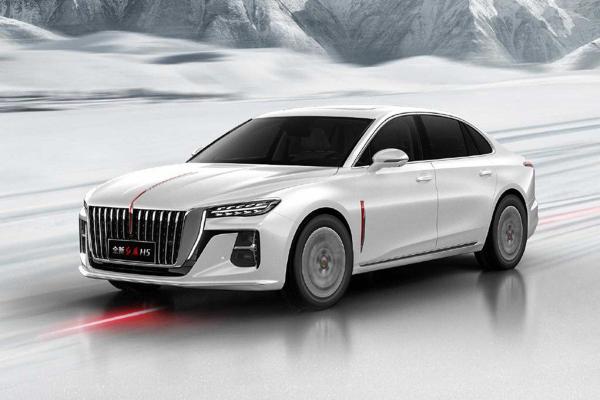
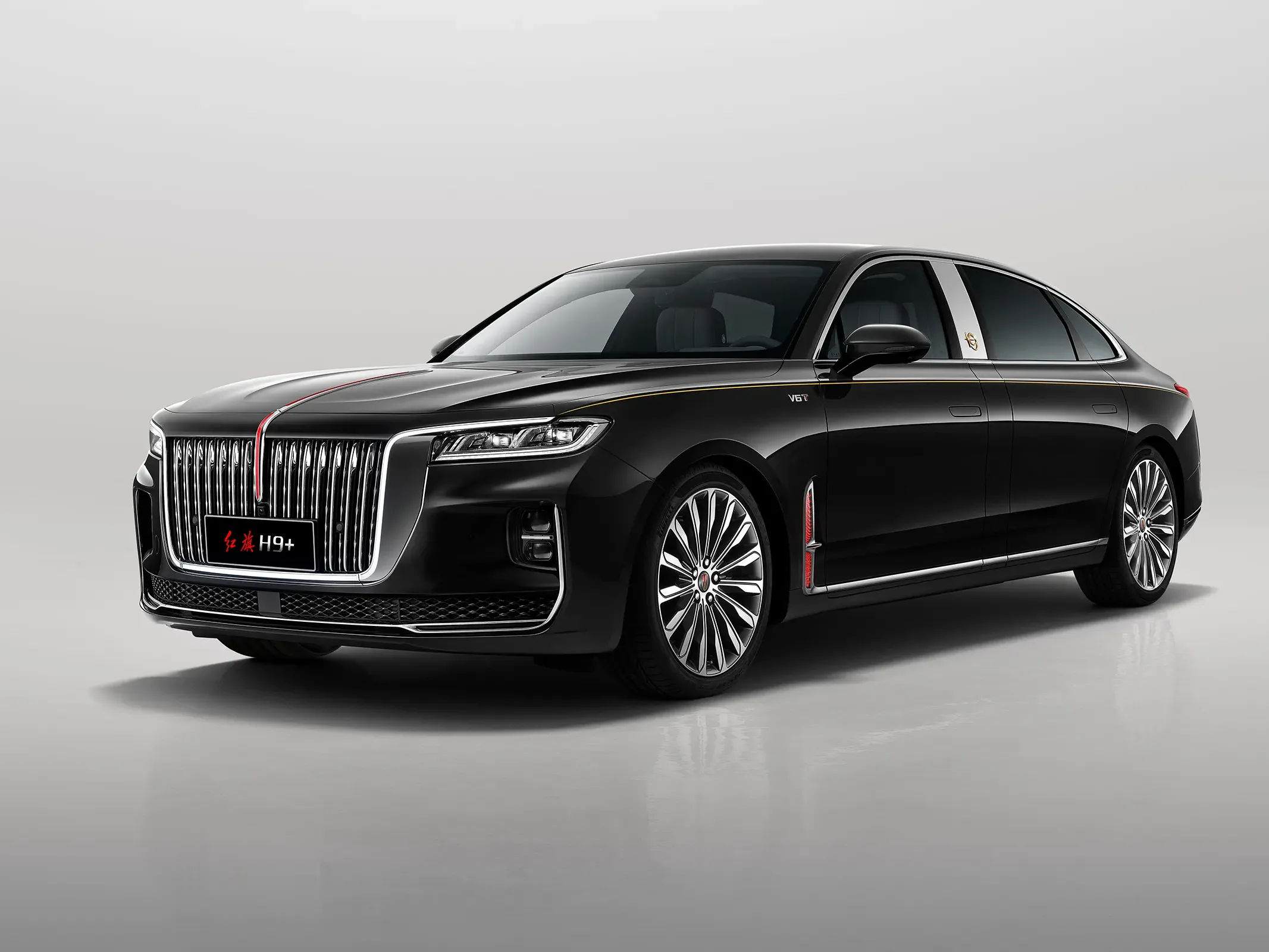
Brands like Hongqi are leaning hard into a different idea of luxury altogether. Big, formal, almost ceremonial cars that do not try to copy European styling but instead build something with their own identity. The result feels very intentional, like they are not asking for approval so much as redefining what “luxury” can look like.
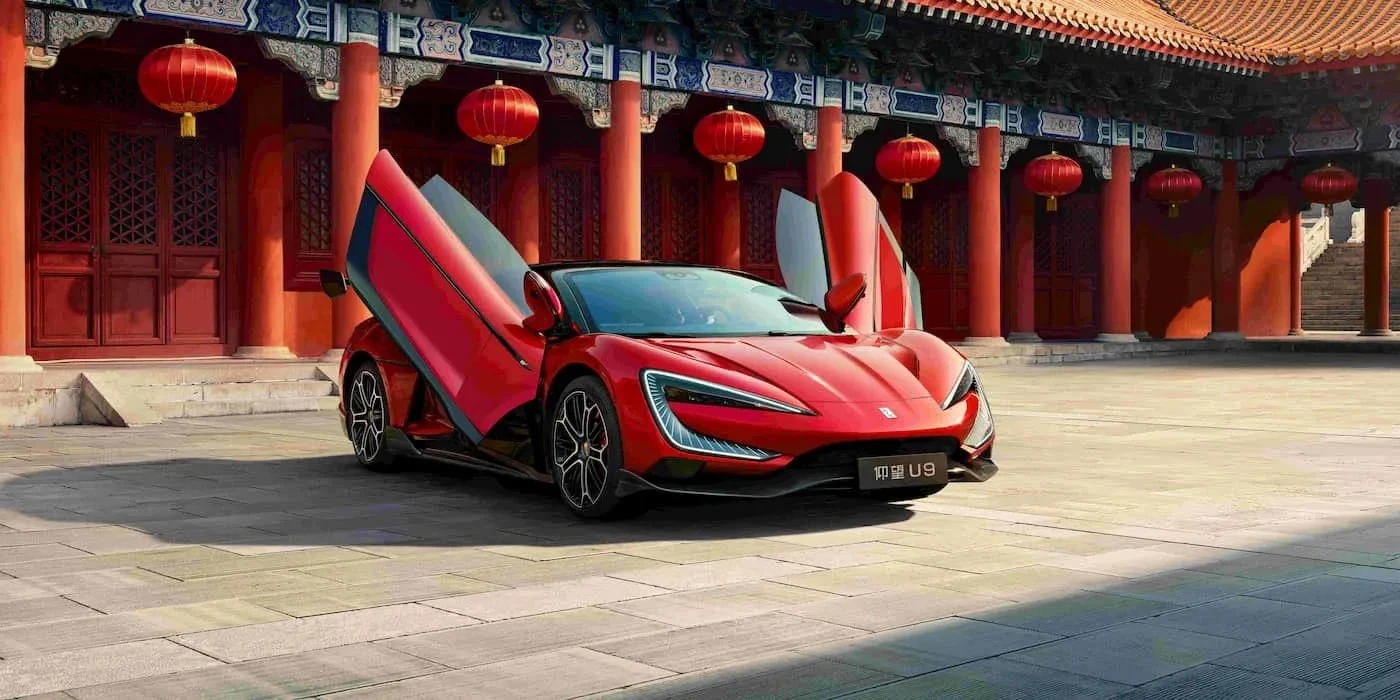
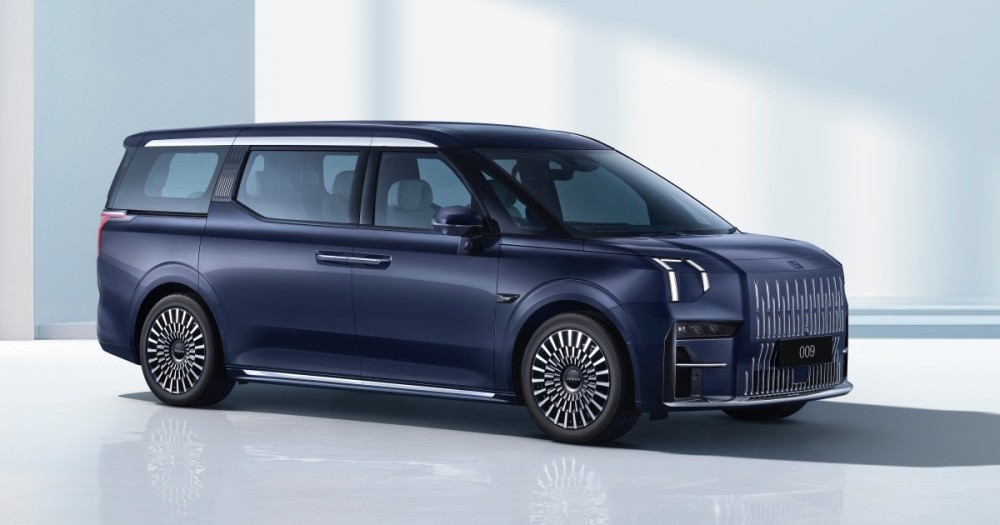
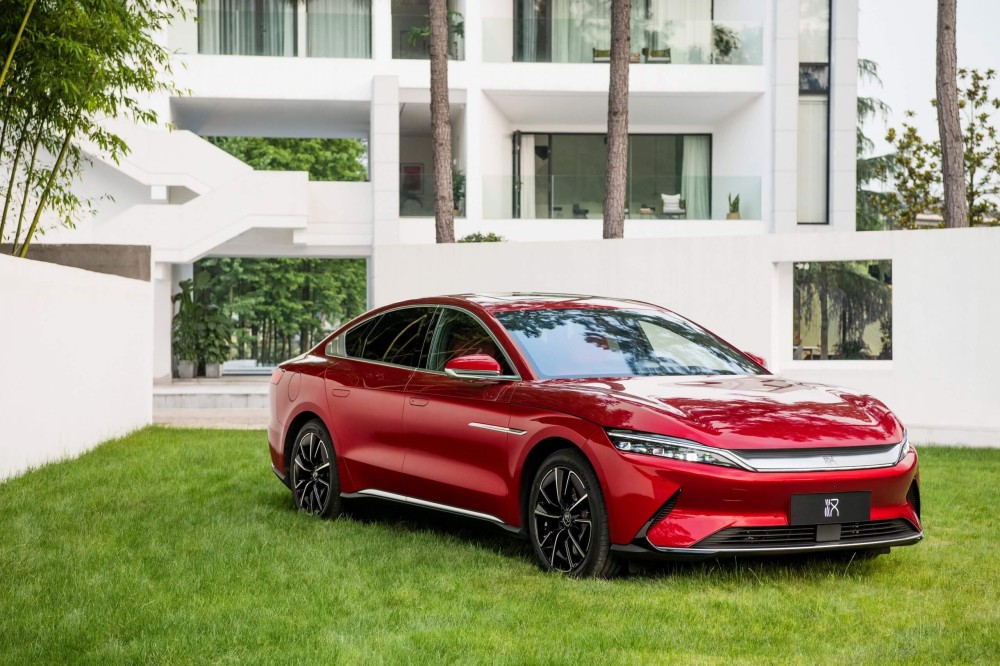
Then there are companies like Zeekr and BYD, which are going in a completely different direction. Ultra-tech interiors, huge screens, fast charging that sounds almost unrealistic, and features that feel closer to consumer electronics than traditional cars. Some of it borders on excessive, but that seems to be part of the strategy. Stand out first, refine later.
What ties all of this together is confidence. These are not one-off “look what we can do” projects. These companies are building full lineups, expanding into Europe and other markets, and slowly positioning themselves as real alternatives to brands people have trusted for decades.
And right now, the U.S. is mostly watching from the sidelines.
Between regulations, politics, and trade barriers, American buyers are not really getting access to these cars yet. Which is interesting, because in other parts of the world, people are starting to take them seriously. Not as budget options, but as legitimate luxury competitors.
That does not mean they are suddenly better than everything else out there. But it does mean the conversation is changing.
For years, luxury cars were about heritage, badges, and long-standing reputations. Now, technology, speed of innovation, and overall experience are starting to matter just as much.
And in that kind of environment, new players tend to move fast.