Your Car Could Have An Open Recall Right Now, And You’d Probably Have No Idea

by AutoExpert | 9 June, 2026
Most drivers assume they would know if something serious was wrong with their car. That seems fair. If a vehicle has a safety problem, surely someone would call, email, text, send a giant red envelope, something.
In reality, a recall notice can be surprisingly easy to miss. Maybe the letter went to an old address. Maybe the car was bought used. Maybe the notice got tossed with a stack of insurance flyers and oil change coupons. Maybe the owner simply never saw the news story.
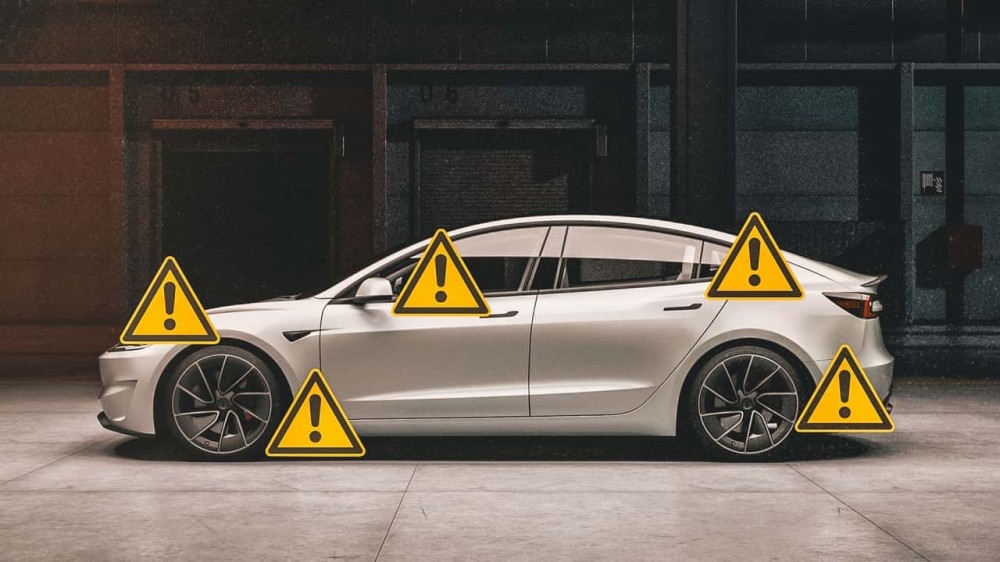
And that is the uncomfortable part: a car can have a known safety defect, an official recall, and still be sitting in the driveway like nothing is wrong.
Right now, in June 2026, several major recalls are active across the U.S. General Motors has issued a “Do Not Drive” warning for certain trucks and SUVs because of a missing drivetrain component that can cause the wheels to lock up while the vehicle is moving. Honda has recalled nearly 99,000 vehicles over a faulty seat weight sensor that could cause airbag trouble at exactly the wrong time. Kia is recalling more than 141,000 Carnival minivans because a fuel pipe nut can loosen and create a fire risk.
These are not strange collector cars or obscure models nobody sees on the road. They are everyday vehicles. School-run vehicles. Commute vehicles. Grocery-store vehicles. The kind people trust without thinking twice.
Which is exactly why every driver should do one small check this week.
How To Check Car Recalls By VIN
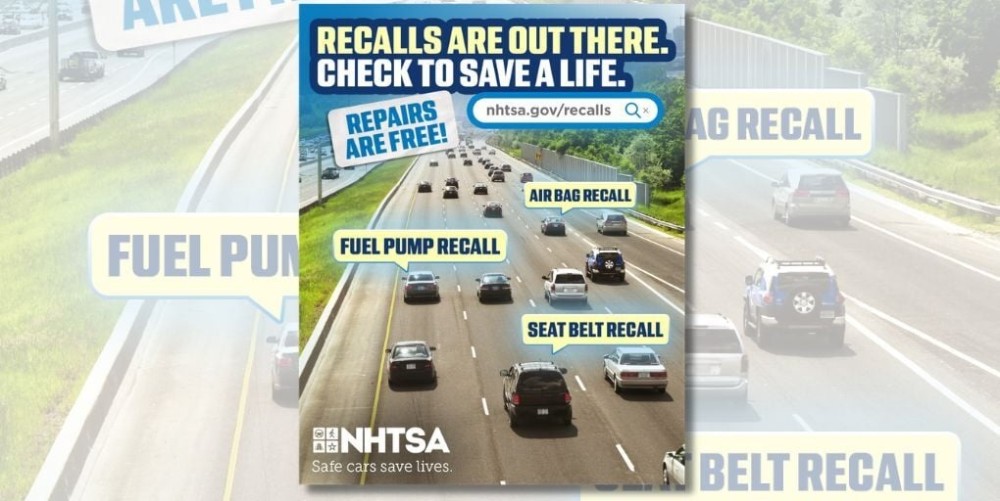
The fastest way to know is to use the recall lookup tool from the National Highway Traffic Safety Administration. Go to NHTSA.gov/recalls and enter the car’s VIN.
That is the 17-character vehicle identification number. Nobody has it memorized, and nobody should feel bad about that. It is usually visible on the driver’s side dashboard near the base of the windshield. Stand outside the car and look through the glass. It is also printed on the registration paperwork and insurance card.
Type the VIN into the recall search box, hit search, and the site will show whether that exact vehicle has an open recall. Not the model in general. That specific car. That matters because recalls can apply to certain production dates, certain equipment, certain plants, or certain batches of parts. Two cars that look identical on the street may not have the same recall status.
The search should also show what the problem is, what repair is needed, and whether the recall has already been completed. The whole thing takes about a minute. Probably less time than finding the VIN in the first place.
The Repair Is Free
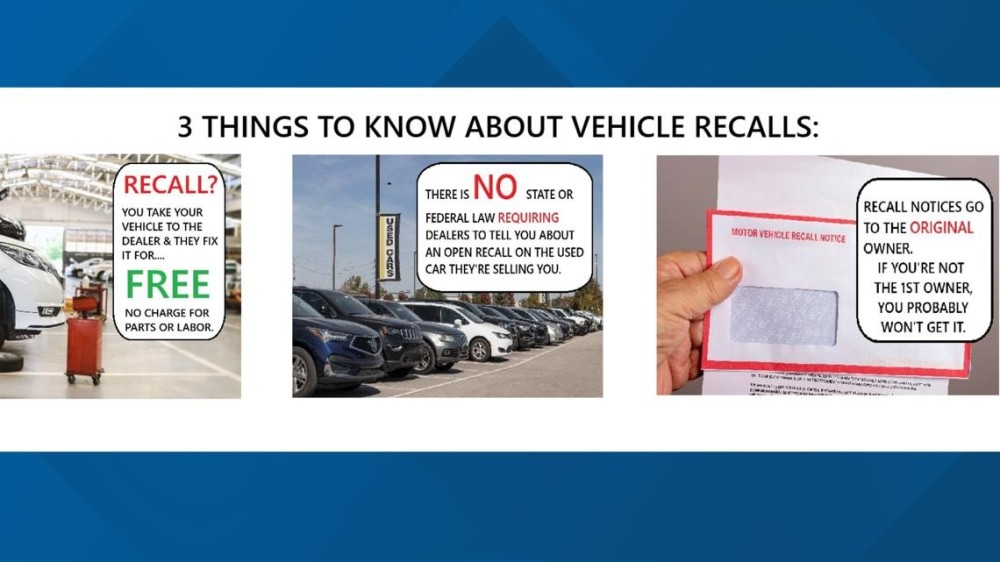
This is the part a lot of people still do not realize. Recall repairs are free at authorized dealers. Federal law requires the manufacturer to cover the fix, even if the recall is old and even if the current owner did not buy the car new.
So if a used car has an open recall, the owner is not supposed to pay for that recall repair. The dealer may try to sell other work while the car is there, because of course they may. But the actual recall fix should not cost the owner anything. That alone makes it worth checking. There are not many car problems where the answer is “known issue, official fix, no charge.”
Some Recalls Are Annoying. Some Are Serious. Read The Details
Not every recall means the car is about to do something dramatic. Some are minor software updates. Some involve a warning label, a sensor, or a part that needs replacing during a quick appointment. Others are much more urgent.
A “Do Not Drive” warning is exactly what it sounds like. It means the risk is serious enough that the vehicle should stay parked until the repair is done. That is not a suggestion to squeeze in after vacation or “when the dealer has a nice opening next month.”
If the VIN search shows a “Do Not Drive” notice, call the dealer right away and ask how they are handling those repairs. In some cases, towing or special instructions may apply. The key is not to panic. It is to read the recall notice carefully and act based on the severity. A software update and a wheel-locking risk do not belong in the same mental category.
Used-Car Owners Should Be Extra Careful
Anyone who bought a used car in the past few years should check the VIN, even if the car seemed clean when purchased. Used vehicles can move through auctions, private sales, small dealers, big dealers, family transfers, and trade-ins. Somewhere along the way, recall notices can miss the person actually driving the car.
And depending on the situation, a used car may be sold with an open recall still unresolved. That is not a fun thought, but it is better to know now than after something fails. The VIN check does not care where the car came from. It simply tells whether that vehicle has an open safety recall. That makes it one of the easiest used-car checks a person can do after the fact.
Set Up Recall Alerts And Forget About It
Drivers who do not want to manually check every few months can sign up for recall alerts. The NHTSA site allows owners to register for notifications, so if a new recall is issued for that vehicle, they can get an email instead of hoping a letter finds the right mailbox.
Kelley Blue Book also has a recall lookup tool, and some automaker apps will show recall status too. But the VIN search through NHTSA is the cleanest place to start because it tracks official safety recalls. The point is not to turn car ownership into homework. It is to stop relying on luck.
Do The One-Minute Check
A recall check is one of those boring little tasks people put off because the car seems fine. But that is the whole problem. A recalled vehicle often does seem fine, right up until the defect shows itself. The steering feels normal. The engine starts. The seat belt clicks. The school bags go in the back. Nothing looks dangerous.
And still, there may be an open recall attached to that VIN. So check it. Today, ideally. Find the VIN. Search it. Read the result. If there is an open recall, call the dealer and schedule the repair. Then send the reminder to someone else, especially someone who drives a used car, an older car, or a family vehicle they never think to look up.
Because the next time a major recall hits the news, the best feeling is not wondering whether it includes your car. It is already knowing.