
Thinking About Buying a Car? Waiting Could Cost Thousands More
by AutoExpert | 1 April, 2026
Anyone who has been casually putting off a car purchase may want to stop doing that.
For months, tariff talk sounded like one of those economic stories that mattered in theory but had not fully landed in real life. That is changing. The effect is starting to show up where it actually hurts: on window stickers, dealership lots, and final sale prices.
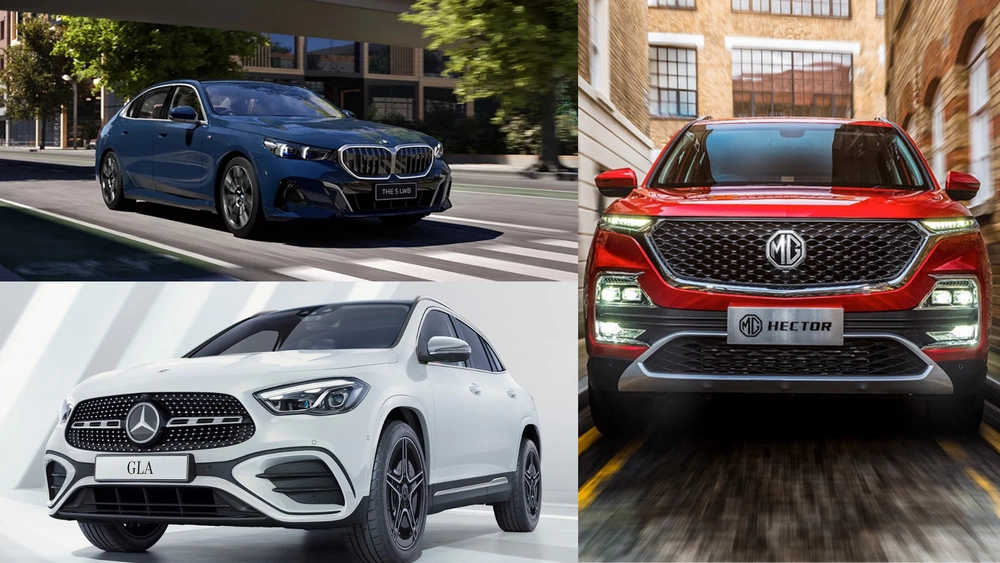
Some automakers have already started raising prices, and more are expected to follow. The reason is simple enough. Bringing imported vehicles and parts into the U.S. now costs more, and that extra cost does not just disappear. It moves through the system until it lands on the buyer.
What makes this moment tricky is that the full impact still has not arrived. Some manufacturers have been swallowing part of the added cost to avoid scaring off shoppers and to keep inventory moving. But there is a limit to how long that can last. Once that buffer disappears, prices are likely to jump more noticeably.
That is why buying sooner rather than later may actually make sense right now. Not because the market is collapsing, and not because every car is about to become wildly expensive overnight. But because the old pattern of steady, predictable pricing is clearly gone for the moment, and buyers who move early may avoid the worst of the increases.

Imported models are expected to feel the biggest pressure. Cars assembled in the U.S. will not be untouched, but they are generally expected to see smaller price bumps. For shoppers trying to stay realistic about budget, that alone may start shaping what ends up on the shortlist.
There is another reason this matters now: incentives. Dealers and manufacturers are still using financing offers, rebates, and other promotions to keep people coming in. That is helping soften the blow for the moment. Once pricing shifts more aggressively, those deals may not look nearly as generous.
Even the used market is starting to tighten. So for anyone thinking they will simply skip the new-car market and wait it out on the used side, that may not be as easy or as cheap as it sounds.
The takeaway is not panic. It is timing.
Anyone already planning to buy a car this year may be better off moving with a bit more urgency than usual. In this market, waiting is no longer neutral. It may just mean paying more for the same car later.