This $25 Gadget Might Save You Hundreds Before Your Mechanic Even Picks Up a Wrench
by AutoExpert | 10 April, 2026
There is a certain kind of car expense that annoys people more than almost anything else. Not the repair itself, but paying just to be told what might be wrong. That is why a cheap OBD-II scanner has become such a good little purchase.
It is not glamorous. It is not something anyone shows off. It is just a small plug-in tool that sits in the glove box until the day a warning light shows up and suddenly it feels like the smartest thing in the car.
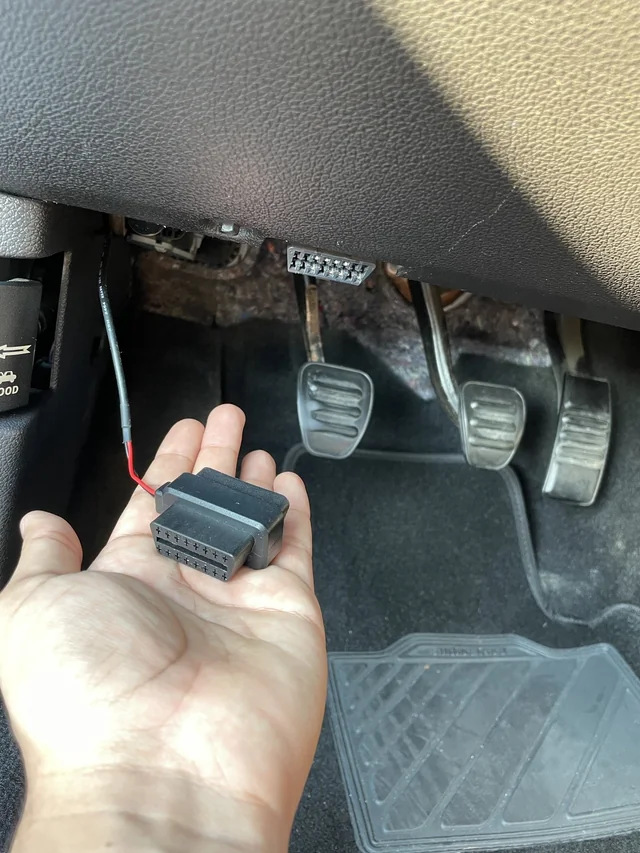
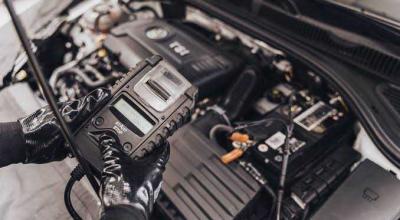
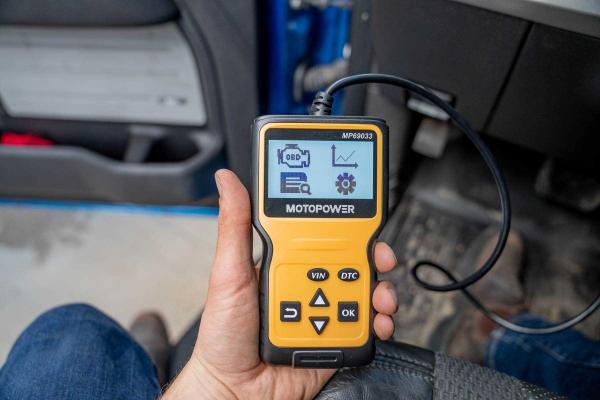
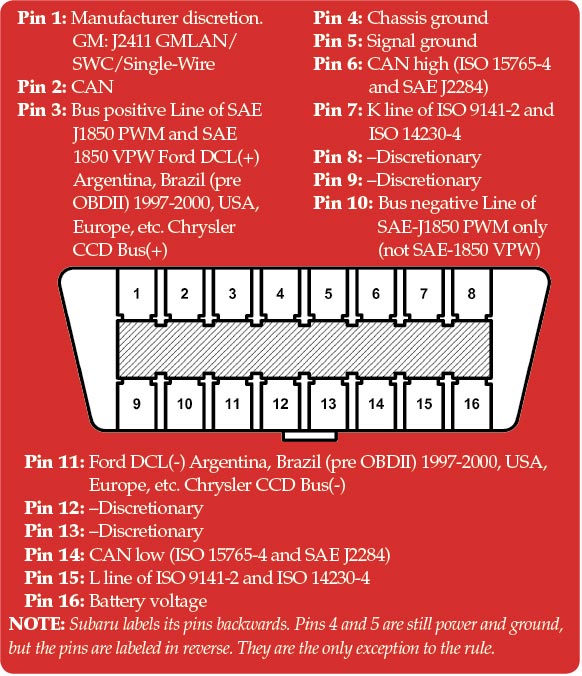
The basic idea is simple. Every car built after 1996 has an OBD-II port under the dash. Plug the scanner in, connect it to an app on the phone, and the car starts talking. Not in some magical way, just in plain fault codes, sensor readings, battery voltage, engine temperature, all the stuff that usually stays hidden until a shop hooks the car up to a diagnostic machine and charges for the privilege.
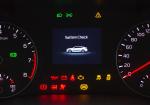
And that is really why this matters. Shop diagnostics are not cheap anymore. A check engine light can easily turn into a $150 conversation before anyone has even touched the car. A cheap scanner does not replace a mechanic, but it does stop every dashboard light from feeling like financial doom.
Sometimes the issue turns out to be small. Really small. A loose gas cap. A sensor acting up. Something annoying, yes, but not panic-worthy. And knowing that changes everything. Instead of assuming the worst, the owner can look at the code, get a rough sense of what is going on, and decide whether it is a “deal with this later” problem or a “stop driving now” problem.
That alone is worth the money.
The nice part is that these scanners are not just for check engine lights either. They are useful before buying a used car, useful for keeping an eye on battery health, useful for spotting weird behavior early before it turns into a full repair bill. Once someone has one, it tends to become one of those things they wonder why they did not buy years ago.
And no, nobody needs some expensive pro-level setup for this. For most drivers, a basic Bluetooth scanner is enough. The important thing is getting one that works well with the car and gives live data, not just a mysterious code and no explanation. That is where the real value is. Seeing what the car is doing in real time instead of waiting for it to become obvious the hard way.
Of course, it is still possible to get carried away. A scanner is a useful tool, not a mechanical degree. If it points to something serious, great, now there is better information before talking to a mechanic. That is the win. Not pretending the app can rebuild a transmission from the parking lot.
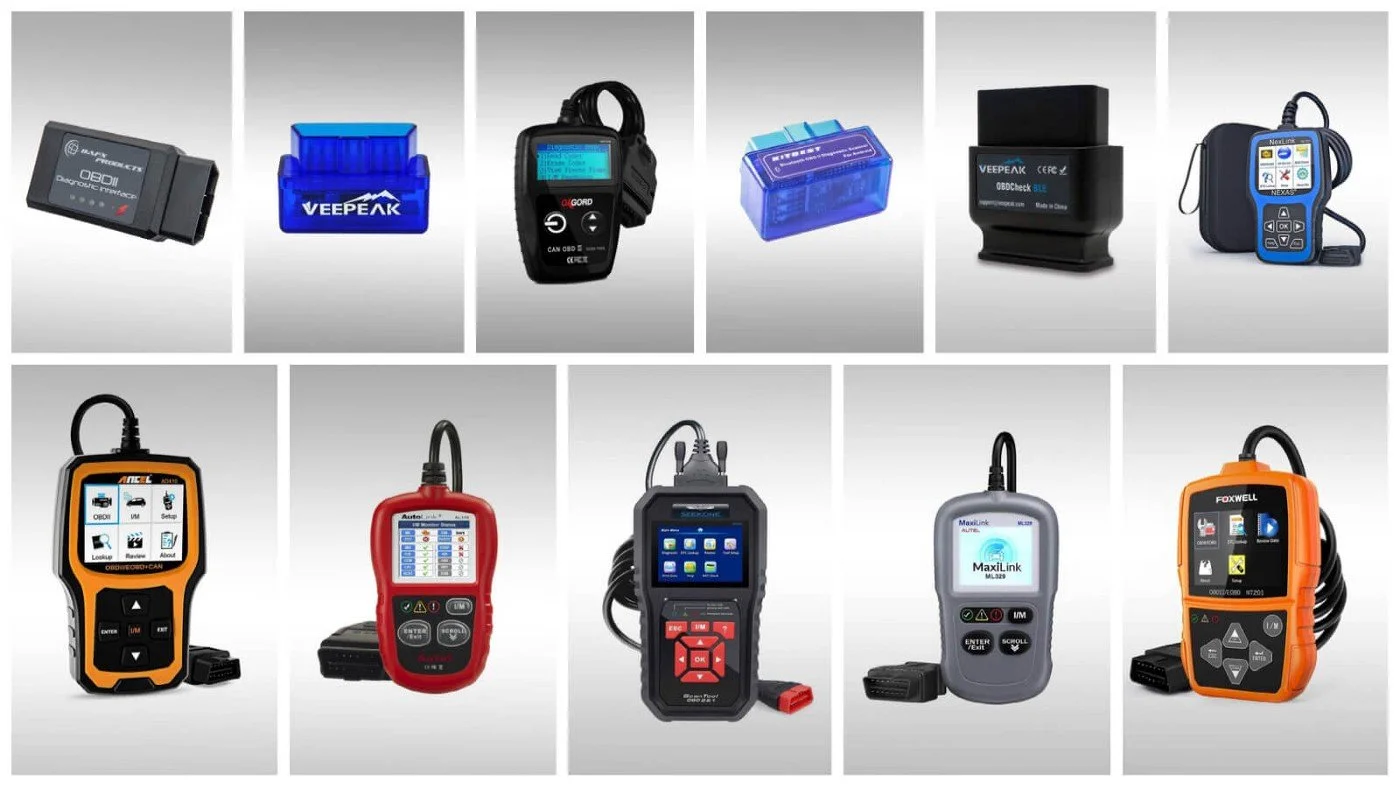
But for the money, it is hard to beat. It makes warning lights less mysterious, shop visits less one-sided, and used-car decisions a lot less blind.
For something that costs about as much as lunch and disappears into a glove box, that is a pretty ridiculous return.