Nearly 1 in 5 New Car Buyers Now Has a $1,000 Monthly Payment. And It's Not Who You Think.
by AutoExpert | 2 June, 2026
A neighbor of mine just bought a new truck. Decent guy, nothing fancy, mid-trim F-150 with the basic four-wheel-drive package. We were standing in his driveway looking at it last weekend, and he mentioned almost in passing that his payment was $1,114 a month. For 84 months.
I did the math later. He'll have paid roughly $94,000 by the time the loan is done. On a truck that stickered for $58,000.

He isn't unusual anymore.
The $1000 Car Payment Just Became Normal
Per Edmunds, the share of new car buyers signing on for a monthly payment over $1,000 hit a record 20.3 percent in Q4 of 2025. Experian's Q1 2026 numbers have it sitting just under 19 percent. Roughly one in every five new cars sold in this country now goes home with a four-figure monthly bill attached to it.
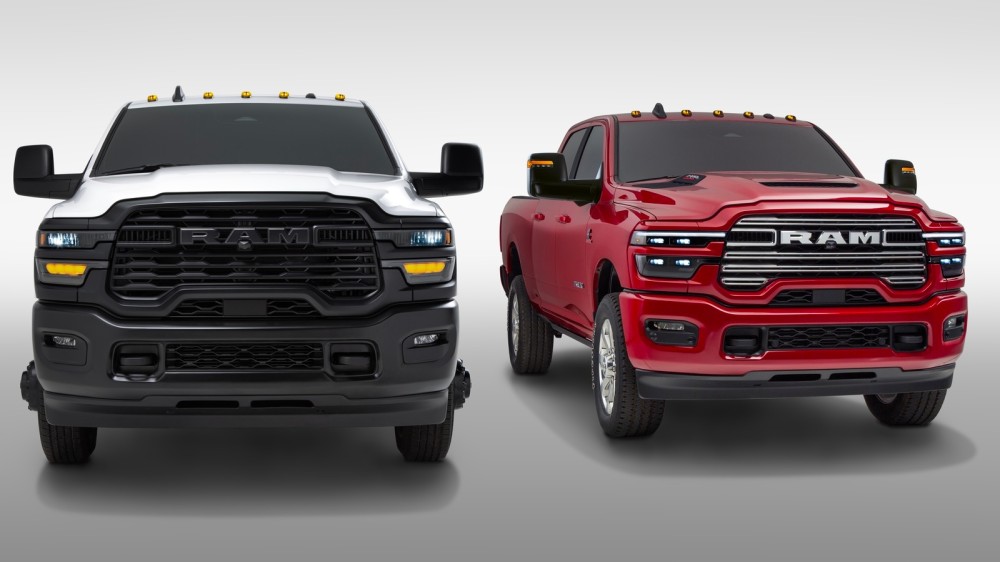
Here is the surprising part. About 74 percent of those $1,000-plus payments are on non-luxury vehicles. We're not talking about people buying Range Rovers and BMWs they can't afford. The top three models in the four-figure-payment club are the Ford F-150, the Chevrolet Silverado 1500, and the Ram 1500. Regular pickup trucks. Bought by regular people.
How Did Anyone End Up Here
A few forces all hit at once, and they stack on top of each other in ugly ways.
The average new car transaction price crossed $49,275 in March 2026. Tariffs slapped on imported parts and finished vehicles have added about 10.4 percent to sticker prices over the last year. Interest rates on auto loans are still hovering around 7 to 9 percent for buyers with average credit. And the trade-in vehicle most people roll into the new loan still has money owed on it, because the average new car loan now stretches 75 to 84 months and a growing share goes 96 months.
Yes, 96 months. Eight years. That's not a typo, and yes, dealers really offer it.
When you finance a $49,000 car at 8 percent over 84 months, the monthly payment lands around $760, which sounds manageable to a payment-shopper. But you'll pay roughly $64,000 by the end, and you'll be underwater on the loan (meaning you owe more than the car is worth) for the first four years.
The Negative Equity Trap
Negative equity is the part nobody warns buyers about. Cars depreciate fast, especially in the first three years. A long loan stretches your payments out flat, so you're paying down principal slowly while the car's value drops quickly. The result is a window, usually years two through four, where you owe several thousand dollars more than your car is worth.
If you total the car during that window, your insurance payout will not cover the loan. Gap insurance helps if you have it. Most buyers don't.
If you decide you hate the car and want to trade out, the dealer will roll the negative balance into your next loan, and the cycle continues. People who do this twice in a row can end up financing $70,000 on a $40,000 vehicle.
What Actually Works
A few practical things, none of them comfortable.
Buy used. A two or three year old version of the same truck costs 30 percent less and the heaviest depreciation has already happened.
Cap your loan term at 60 months. If you can't comfortably afford a 60-month payment, you can't afford the car.
Put real money down. Twenty percent in cash is the old rule for a reason. It puts you above water from day one.
Stop payment-shopping. Dealers will gladly stretch a loan to hit your monthly target, and you'll pay for it for the next eight years.
The four-figure car payment didn't sneak up on America. We walked into it.