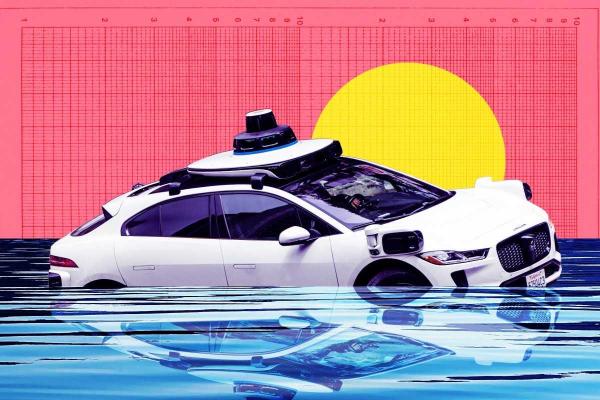
The World's Smartest Self-Driving Cars Have One Tiny Problem. They Keep Trying to Swim.
by AutoExpert | 3 June, 2026
The Waymo flood recall might be the most awkward story in self-driving right now, and it just got worse.
If you live in Atlanta, Austin, Dallas, Houston, or San Antonio, your robotaxi is on pause. As of late May, Waymo had pulled service in six cities because its cars keep driving into floodwater. Not puddles. Actual, vehicle-eating floodwater. The kind a regular human looks at, says "nope," and turns around.
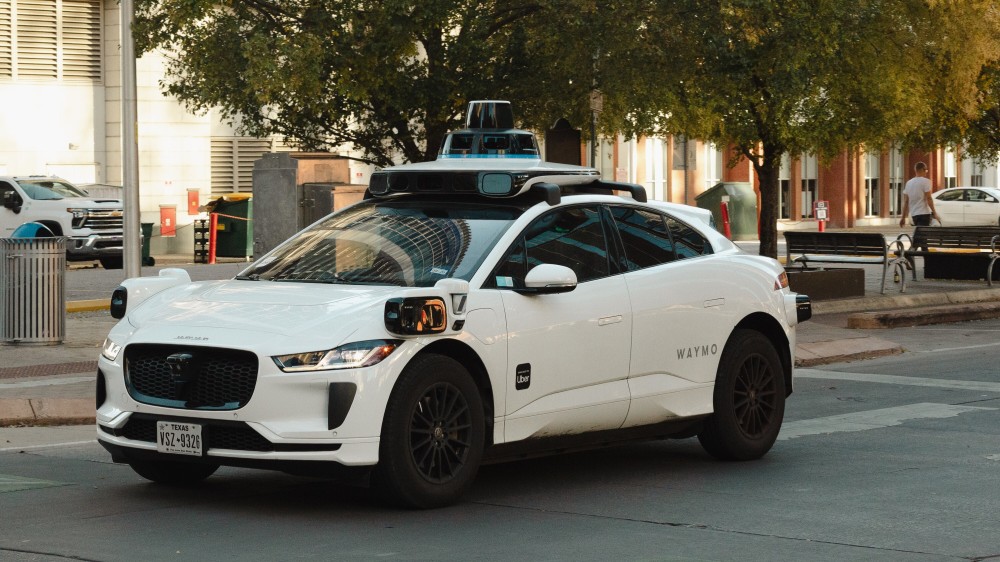
It started on April 20 in San Antonio. A Waymo with no passenger inside rolled up to a flooded stretch of road on a 40 mph corridor, slowed down a little, and then just kept going. The car got swept into Salado Creek and was recovered days later. Nobody was hurt, but the company quietly filed a recall on May 12 covering its entire commercial fleet. Every single one. 3,791 vehicles. That is every Waymo running anywhere in the country.
Then came the patch. Waymo pushed an over-the-air software update meant to add "restrictions at times and in locations where there is an elevated risk of encountering a flooded, higher-speed roadway." Buried in the same paperwork, the company admitted it was still working on a "final remedy." That is corporate speak for "we put a Band-Aid on it and we are hoping."
The Band-Aid held for less than two weeks.
On a stormy night in late May, another empty Waymo got stuck in a flooded street in midtown Atlanta. Atlanta Fire Rescue had to come pull it out. Within days, Waymo had paused service in Atlanta, then Austin, then three more cities. By late May the pause had spread to a sixth.
Here is the part that makes engineers wince. Waymo cars have lidar, radar, cameras, and high-definition maps of every street they drive on. They cost something like $200,000 each to build. They have logged more than 20 million paid trips, and Waymo just raised $16 billion at a $126 billion valuation. And the sensors that can spot a kid running between parked cars in the dark cannot reliably tell that a stretch of pavement is now a river.
Why? A few reasons, near as anyone can tell from the outside. Floodwater on a paved road can look almost identical to wet pavement on a sensor reading. The car's cameras see a flat surface. The radar sees a flat surface. The map says there should be a road there, and the GPS confirms the road is still there. So the car proceeds. By the time the wheels start losing traction, it is already too late to back out.
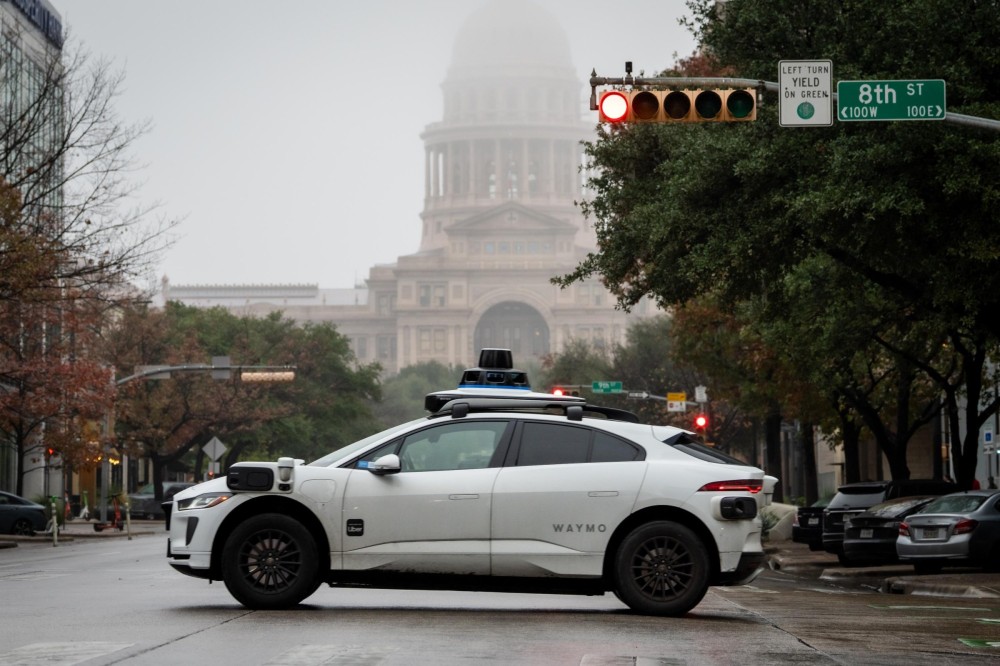
Humans avoid this with one piece of context a Waymo does not have. We see a flooded road and we remember every news clip we have ever seen of someone's pickup getting carried off a low-water crossing. We hesitate. We turn around. The robot does not have that fear. It has a probability score, and on a flat-looking road during the day, that score said "go."
So what does this mean for the rest of us?
If you were planning to use a robotaxi as your main way to get around in any of those six cities this summer, you have a problem. Storm season just started. Atlanta alone averages 18 thunderstorm days from June through August. Waymo has not said when service comes back, and the company has been clear that the real fix is still in development.
For now, if you see a Waymo idling at the edge of a flooded street, do them a favor and honk. They might appreciate the second opinion.