
The Motor Oil You Always Buy Might Not Be on the Shelf This Summer. Here's Why.
by AutoExpert | 29 May, 2026
If you've changed your own oil in the last few weeks, you might have noticed something weird at the auto parts store. The brand you always grab is suddenly out of stock. Or the price jumped five bucks since last time. Or there's a little handwritten sign by the synthetics that says "limit two per customer."
You're not imagining it. The motor oil shortage 2026 has quietly arrived in the United States, and it's about to make every oil change a little more complicated.
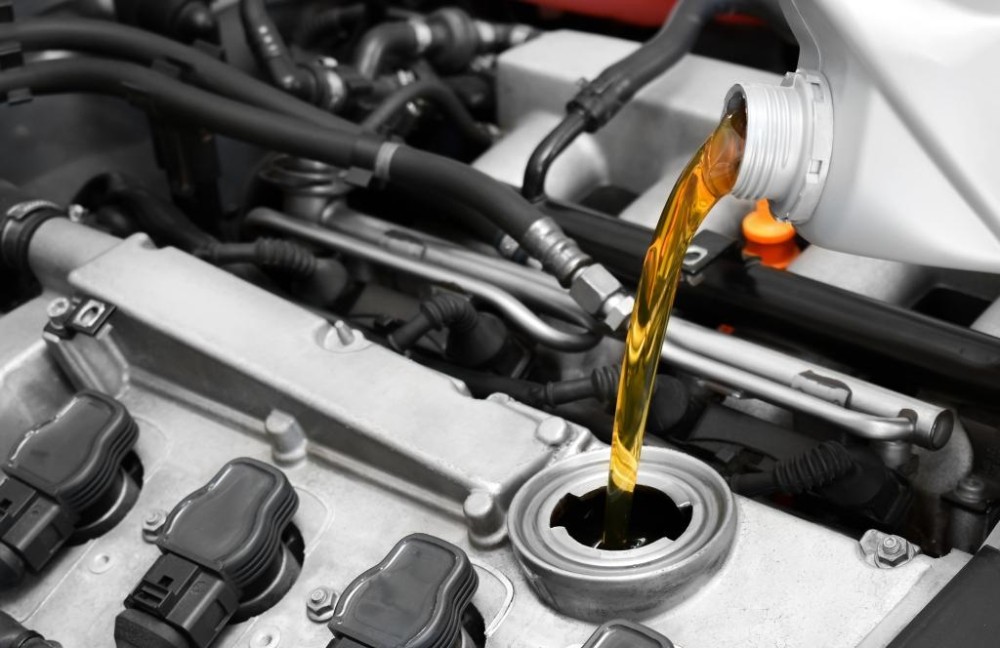
Here's what happened. Most modern synthetic motor oils are built on something called Group III base oil. It's the highly refined stuff that gives your engine the heat tolerance and the long change intervals that anyone with a 2010-or-newer car has come to expect. Roughly 44 percent of the Group III base oil used in this country comes from just three refineries in the Persian Gulf. Since late February, when the Strait of Hormuz was effectively blockaded, almost none of it has been getting out. A Qatari plant that produced another big slice of the world's supply was badly damaged in March. The squeeze landed hard, and fast.
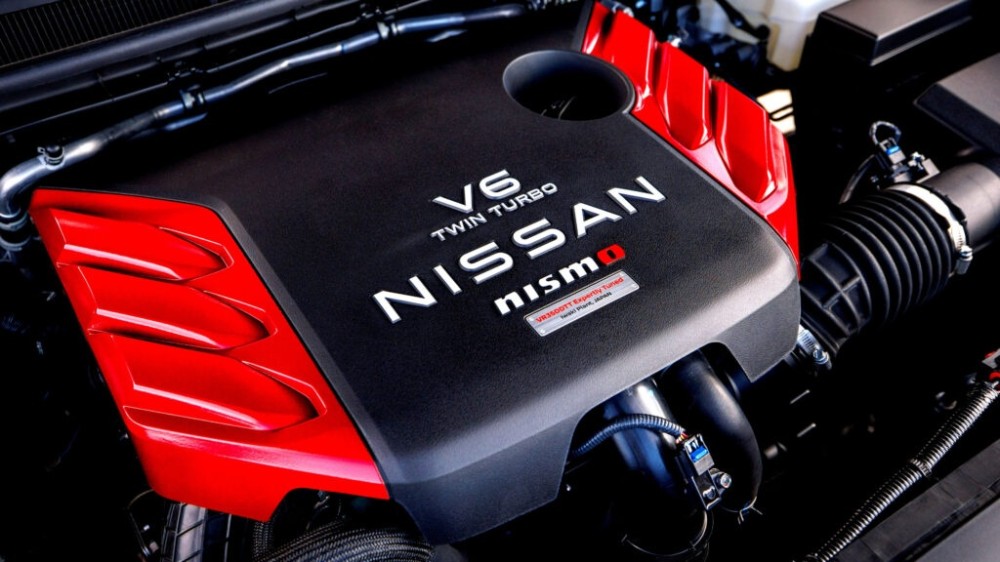
Wholesale prices have already shot past ten dollars a gallon. Nissan started rationing 5W-30 and 0W-20 to its dealers earlier this spring, cutting some allocations almost in half. Analysts say the shortage probably lasts through 2027.
So what does that mean for you?
The Motor Oil Shortage 2026 Is About to Hit Your Wallet
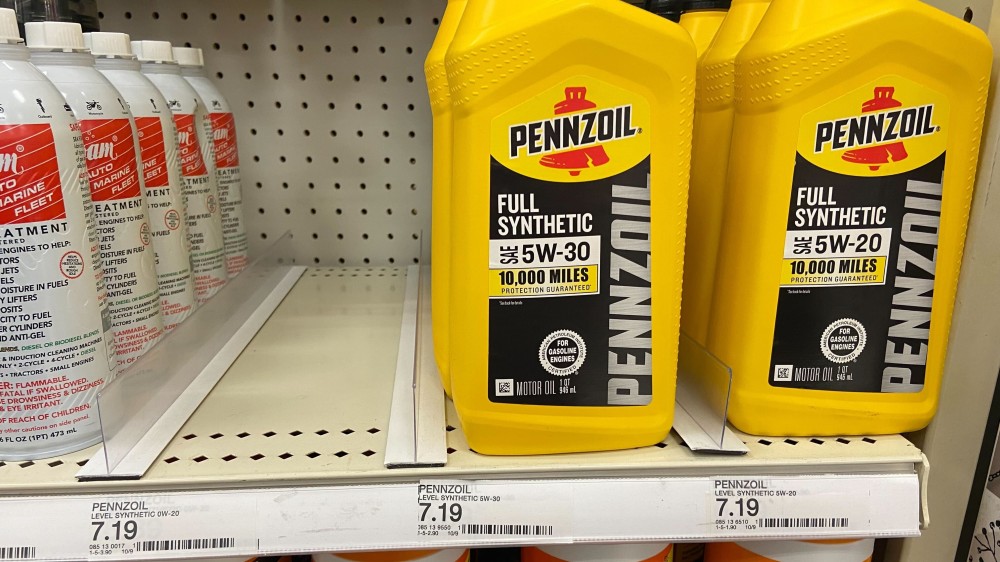
Short term, expect prices on full synthetic to climb steadily over the summer. The big-brand jugs of 5W-30 and 0W-20 will go first, since those are the most-used viscosities in everything from a base Camry to a brand new pickup. Empty shelves at the chain auto parts stores are already showing up in pockets of the country, especially in smaller towns where deliveries are less frequent.
If you take your car to a quick lube shop, your bill will creep up too. A few chains are already adding a small surcharge per change to cover their own rising cost.
What's Actually Safe to Use When Your Oil Is Out
This is the part that matters. Don't just grab whatever is on the shelf and pour it in.
First rule. The viscosity number printed on your oil cap or in your owner's manual is the one that matters most. If your car calls for 0W-20, use a 0W-20. Switching to a 5W-30 because the shelf was empty is not a fix. Modern engines are built with tight tolerances designed around a specific viscosity, and using the wrong one can cause real wear over time.
Second rule. It's totally fine to switch brands. A 0W-20 full synthetic from Mobil 1, Valvoline, Pennzoil, Castrol, or a quality store brand are all built to the same industry specifications. Flip the jug over and look for the API "donut" symbol along with any manufacturer approval your car needs, things like Dexos, MS-6395, or VW 502.00. If your replacement oil has the same approvals listed, you're fine. The big brands are interchangeable on paper.
Third rule. In a pinch, you can top off a synthetic-filled engine with conventional oil. Mixing them isn't ideal for long-term performance, but it won't blow up your engine, and it's miles better than driving on a low oil level. Just plan a full change with the right stuff sooner than usual.
What you should not do is stretch your oil change interval way past the manufacturer's recommendation just because oil got expensive. A new short block costs about forty oil changes. Do the math.
One Quiet Upside
Demand for older Group II conventional oils is actually picking up because of all this, and a lot of cars built before 2015 do just fine on a quality conventional or semi-synthetic. If your owner's manual lists conventional as an option, this might be the moment to consider switching back. Cheaper now, easier to find on the shelf, and your engine probably won't notice.
The shortage isn't going away this summer. If you see your usual oil at a normal price, grab a jug or two. Future you will be glad.