Your Car Turns Into An Oven Faster Than You Think, And The Dashboard Is Worse Than The Air

by AutoExpert | 2 June, 2026
There is a special kind of regret that comes from leaving a car in the sun. It usually starts with confidence. “I’ll only be five minutes.”
Fifteen minutes later, the driver comes back, opens the door, and gets punched in the face by hot, stale air. The kind of heat that feels thick. The kind that makes the seat belt buckle dangerous, the steering wheel untouchable, and the black leather seat feel like it has been personally waiting to attack.
Anyone who has done this knows the routine. Open the door. Make that little disgusted face. Wave the door back and forth like that will somehow undo physics. Get in anyway. Touch the wheel. Regret it immediately.
So, how hot does a car get in the sun?
Hotter than most people think. And the really annoying part is how fast it happens.
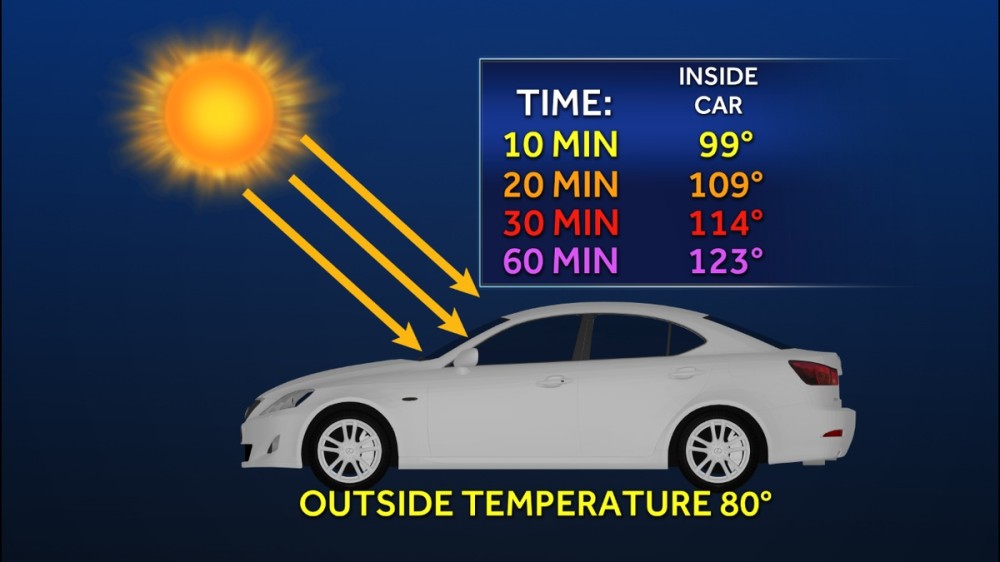
On an 80-degree day, which does not even sound that dramatic, the inside of a parked car can reach about 109 degrees in 20 minutes. Leave it longer, and it keeps climbing. Around 118 degrees after 40 minutes. Around 123 degrees after an hour. And that is just the air.
The surfaces inside are the real villains. A dashboard sitting in direct sun can hit around 150 degrees, sometimes closer to 160 in harsher conditions. That is not “a little warm.” That is burn-your-skin hot. The steering wheel can climb into the 120s. Seats can do the same, especially if they are dark leather or vinyl.
This is why everything inside a summer car seems to suffer.
Sunglasses bend. Lip balm melts into soup. Phones flash that dramatic overheating warning and shut down like they have chosen self-preservation. A forgotten soda can starts looking suspicious. Plastic gets soft. Cheap trim starts to smell weird. Anything with a battery suddenly feels like something that should not have been left there.
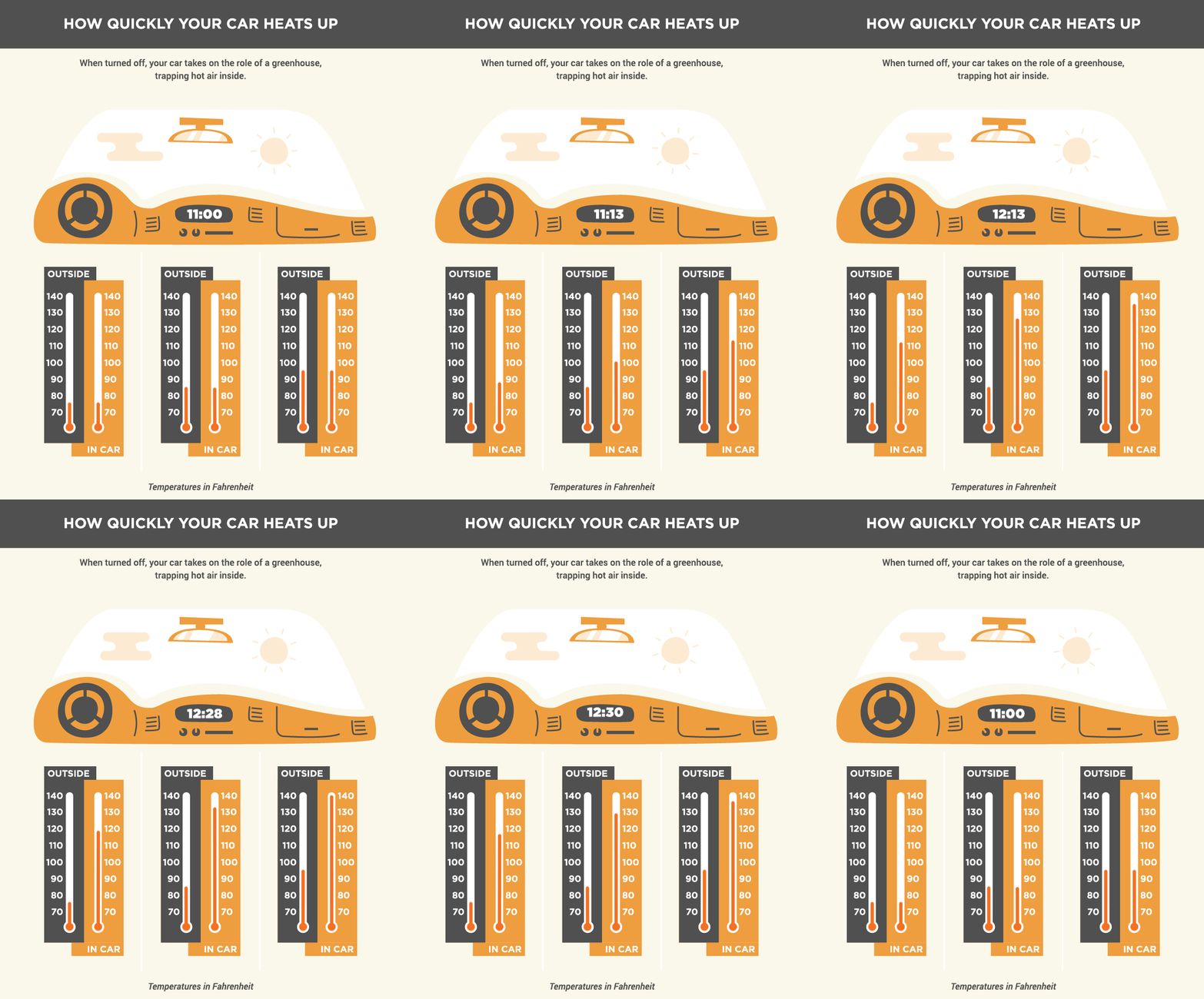
A parked car looks harmless from the outside. Inside, it is basically slow-cooking its own interior.
The reason is simple: windows are traitors.
Sunlight gets in through the glass easily. It hits the dashboard, seats, carpets, and door panels. Those surfaces absorb the energy and heat up. Then they release that heat back into the cabin, but now it is trapped. The light got in. The heat does not get out nearly as quickly.
That is the whole ugly trick. A car in the sun is a greenhouse with cupholders.
And yes, cracking the windows helps a little. But “a little” is doing a lot of work there. It may make the cabin slightly less horrible, but it does not make it safe. Not for a child. Not for a dog. Not for anyone who cannot open the door and leave.
That is the part people still get wrong.
They think the danger starts only on brutal 100-degree days. It does not. A normal warm day can be enough if the car is sitting in direct sun. The cabin temperature climbs fast, and the body does not care that the errand was supposed to be quick.
For children, this is especially dangerous. Their bodies heat up faster than adults’ bodies do. Dogs are in trouble quickly too, because panting only works up to a point. Once the air around them is scorching, they are not cooling themselves properly anymore. They are just struggling.
And most hot-car tragedies are not the cartoon version people imagine, with some obviously careless monster shrugging and walking away. A lot of them happen because life gets messy. A routine changes. The wrong parent does daycare drop-off. Someone is exhausted. A toddler climbs into an unlocked car in the driveway and cannot get back out.
That is why “look before you lock” keeps getting repeated every summer. It sounds too simple until the day it saves someone.
The fixes are not exciting, but they work.

Use a windshield shade. The ugly silver kind. The one that never folds back correctly and makes the car look like it belongs to someone’s practical uncle. It helps because it keeps the dashboard from absorbing the full blast of the sun.
Park in shade whenever there is shade. Even bad shade is better than nothing. If there is no shade, try not to leave the windshield facing straight into the sun. Let the trunk take the hit instead of the dashboard.
Before getting in, open the doors for a bit. Not elegantly. Just dump the heat out. Open all four doors if there is room. Let the worst of that baked cabin air escape before asking the AC to perform a miracle.
Then start the car, get moving, and let the air conditioning work with fresh air for a minute before switching to recirculation. Blasting cold air into a sealed oven is not strategy. It is desperation with vents.
None of this will make a car pleasant after an hour in July sun. But it can make the difference between “this is miserable” and “why does my steering wheel hate me?”
The important rule is very simple.
If it is too hot for an adult to sit there comfortably without the AC running, it is too hot for anything alive to wait inside.
Not with the windows cracked. Not for “just one minute.” Not while grabbing coffee, picking up dry cleaning, or running into the pharmacy. A car does not need much time to become dangerous. It just needs sun, closed doors, and somebody underestimating how fast heat builds.
So yes, that blast of heat is real. The steering wheel really is that hot. The dashboard really can reach absurd temperatures. And the next time someone says they are only leaving the car for a minute, the safest answer is still the boring one: Don’t.