Your Check Engine Light Just Got Way More Expensive. Here Is the One Tool That Saves You Hundreds.
by AutoExpert | 4 June, 2026
The average check engine light repair cost in the US just hit a record $554. That is up 33 percent in a single year, and it is the kind of number that should make every car owner pay attention.
The figure comes from the 2026 CarMD Vehicle Health Index, which tracks millions of repair invoices every year. The breakdown is even uglier than the headline. Labor costs grew 51 percent on their own. Parts grew 23 percent. There is no single cause. It is a slow squeeze from a bunch of different directions at once, and it shows no sign of letting up.
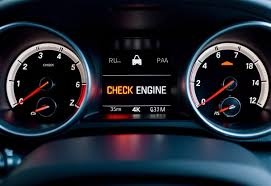
A few things are pushing this number up.
Cars are older. The average vehicle on US roads is now 12.8 years old, also a record. Older cars throw more codes, full stop. Oxygen sensors give up. Catalytic converters get sluggish. Ignition coils crack. The fleet just has more aging parts ready to fail.
Cars are also more complicated. The oxygen sensor that used to live in the exhaust pipe two feet behind the engine now lives under a heat shield, behind a turbocharger, next to a particulate filter, on a transverse-mounted engine in a tight little engine bay. Same part. Same job. Now it takes three hours of disassembly to reach instead of fifteen minutes. The labor bill follows the wrench.
Shop labor rates themselves have climbed past $150 an hour in most major cities. A dealer in San Diego or Seattle is closer to $200. So even a "quick" diagnostic now starts around $175 before anyone touches a tool.
Here is the good news. Most check engine lights are not the catastrophic thing you fear. Loose gas cap, dirty mass airflow sensor, single ignition coil, EVAP system leak. These are real causes, they are common, and a regular car owner can handle several of them in a driveway with a YouTube video and an afternoon.
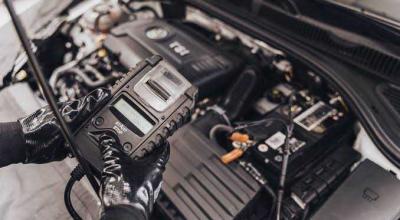
The single biggest leverage you have is a $25 OBD-II scanner.
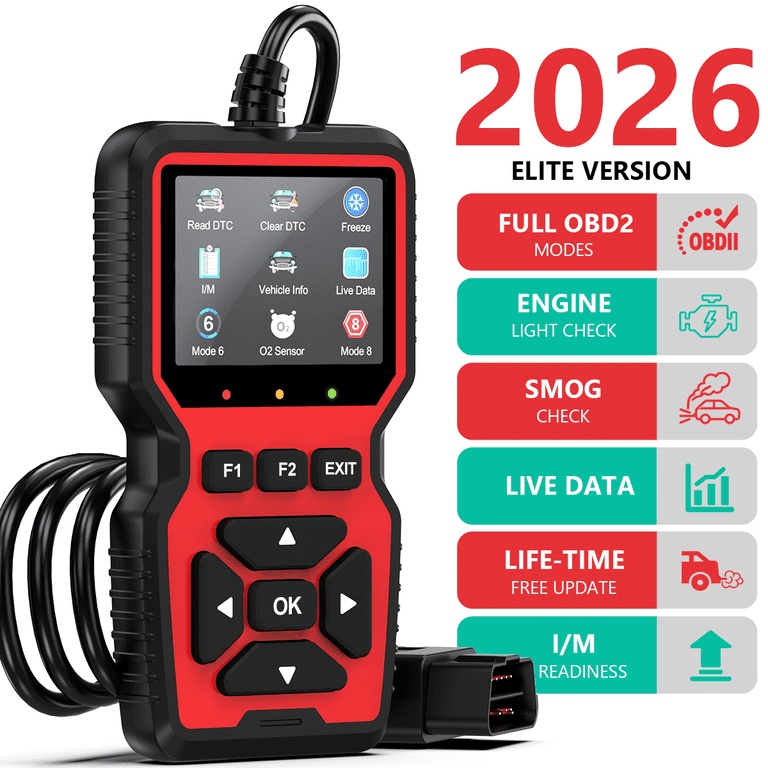
Every car built after 1996 has a port under the dashboard, usually within a hand's reach of your left knee. Plug in a basic Bluetooth scanner, open a free app on your phone, and you will see the exact code your car is throwing. P0420 is a catalytic converter efficiency code. P0171 is a lean fuel mixture, often a vacuum leak. P0300 is a random misfire. A two-minute Google search will tell you whether you are looking at a $5 fix or a $1,500 fix.
The three categories you can absolutely DIY at home, with basic tools and zero engine experience, are these. Replace the gas cap. Swap an oxygen sensor (one wrench, sometimes a special socket, twenty minutes on most cars). Change an ignition coil pack (one bolt per coil on most engines, fifteen minutes a coil). Parts for all three together usually come in under $80.
The two categories where a shop visit is worth it are anything inside the catalytic converter or the transmission. Cats are expensive, sometimes wildly so, and a misdiagnosis can cost you the wrong $1,200 part. Transmissions are not something you take apart at home unless you really know what you are doing.
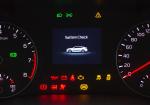
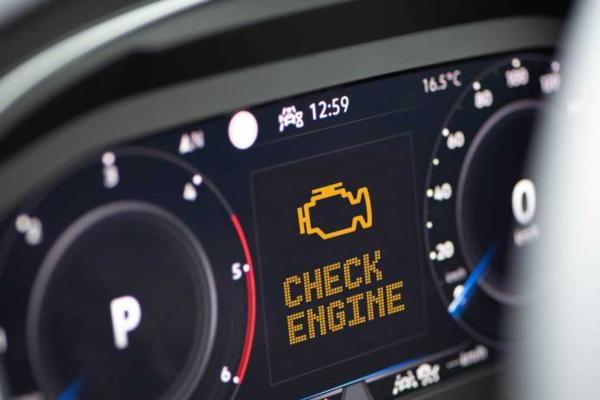
The mistake most people make is panicking. A solid amber check engine light is almost never an emergency. A flashing one means an active misfire, and that one you do want to deal with this week. Either way, plug in the scanner first. Walk into a shop already knowing the code. The difference between "my check engine light is on" and "I am throwing a P0420, what would you charge to clear it" is often a couple hundred dollars.
That $25 tool might be the single best automotive purchase you make this year.