That $1,000 EV Charger Credit Is About To Vanish, And Most People Still Haven’t Checked If They Qualify
by AutoExpert | 2 June, 2026
If a home EV charger has been sitting on the “eventually” list, eventually is running out.
That little mental note a lot of EV shoppers make, the one that sounds like, “I’ll install a proper charger after I get the car,” is about to get more expensive. The federal tax credit that can cover 30 percent of a home EV charger installation, up to $1,000, is set to disappear after June 30, 2026.
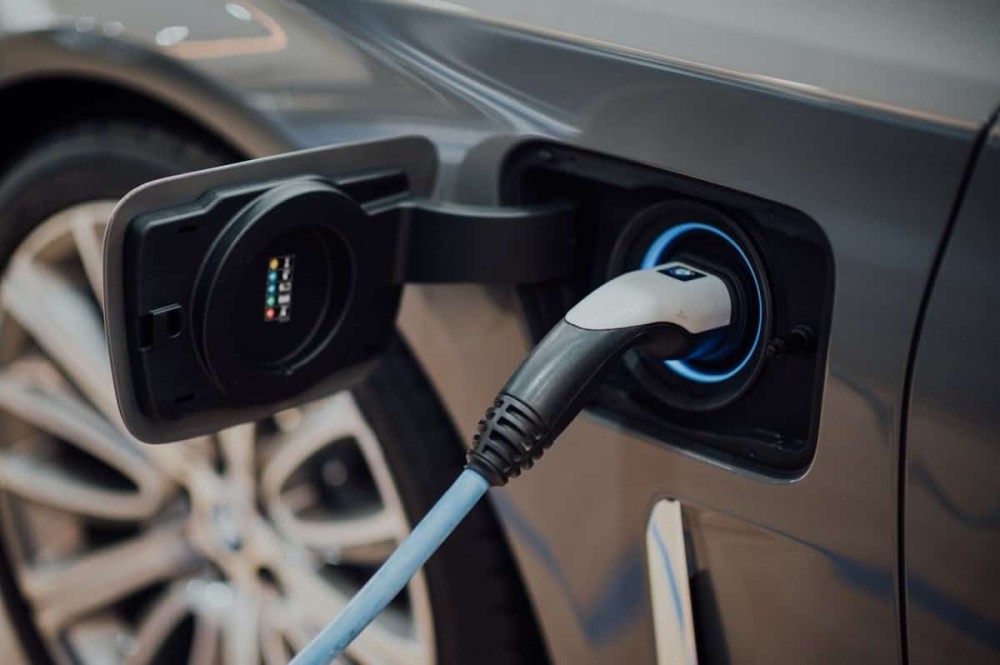
Not pause. Not shrink. Disappear, unless something changes. So if the plan was to stop using the slow charging cord that came with the car, or to get the garage ready before buying or leasing an EV, this is the part worth paying attention to.
A Level 1 cord is fine in the same way a garden hose is fine for filling a swimming pool. Technically, yes. Emotionally, no.
A real Level 2 charger is the thing that makes EV ownership feel normal. Plug in at night, wake up with range, stop treating every workday like a charging math problem. But the install is not always cheap. Depending on the house, the panel, the distance from the breaker box, permits, and whether the electrician has to do extra work, the bill can easily land somewhere around $1,200 to $2,500.
That is why a federal credit worth up to $1,000 is not pocket change. It is the difference between “annoying home upgrade” and “fine, let’s just get it done.”
Who Qualifies For The EV Charger Tax Credit 2026?
The credit is known as the 30C credit, and this is where things get a little less simple. It does not apply to every house anymore. The rules were tightened, so the address has to be in either a low-income census tract or a non-urban census tract.
That sounds like government language designed to make people close the tab. But it is worth checking, because more addresses qualify than many people would expect. A lot of suburbs, exurbs, small towns, and less dense areas make the cut. Big downtown areas are more likely to be left out.
The easiest way to know is not to guess. Use the Department of Energy’s 30C eligibility map, type in the address, and let the tool answer the question. It takes less time than arguing with yourself about whether your neighborhood counts as “non-urban.”
The Deadline Is Not About Ordering The Charger
This is the detail that can trip people up. The charger has to be installed and placed in service by June 30, 2026. In plain English, it needs to be wired, working, and ready to use by that date.
Not sitting in a box in the garage. Not scheduled with an electrician. Not “we paid the deposit.” Actually installed. That matters because electricians can get busy fast when deadlines get close. Permits can drag. Older panels can create surprises. The quote that looked simple can become less simple once someone opens the panel and starts asking how old the service is.
So this is not one of those jobs to start thinking about on June 28.
The costs that may count toward the credit include the charger itself, electrician labor, permit fees, and certain electrical work needed to complete the install. Keep the receipts. Keep the invoice. Keep anything that shows what was done and when it was placed in service.
When tax season comes around, the credit is claimed using IRS Form 8911. And there is one boring but important tax detail: the credit is non-refundable. That means it can reduce the federal tax owed, but it will not turn into extra money back if the taxpayer does not owe enough to use the full amount.
So yes, it is useful. No, it is not a magic $1,000 check for every household.
What If The Address Does Not Qualify?
That is not the end of the story.
Some states still offer their own EV charger rebates. Utilities may also have separate programs, and those can be surprisingly decent. Some send a rebate check. Some apply a bill credit. Some offer cheaper overnight charging if the owner signs up for a time-of-use plan.
That last one can matter a lot over time. A charger rebate is nice once. Lower overnight charging rates can keep saving money for years.
California, New York, Colorado, Massachusetts, Oregon, and other states have had EV charging incentives in different forms, but the details vary by location and utility. The annoying truth is that these programs are local, specific, and sometimes hidden behind clunky websites.
Still, it is worth ten minutes.
Plug in the ZIP code through an incentive locator like Plug In America or the Department of Energy’s Alternative Fuels Data Center before assuming there is nothing available.
A lot of people miss rebates simply because nobody tells them they exist.

Why Is The Credit Ending?
The short version: tax rules changed, and this credit got a new sunset date. Whether another federal program shows up later is anyone’s guess. Maybe something replaces it. Maybe states expand their own programs. Maybe the industry pushes something else.
But right now, there is no guaranteed national replacement waiting on July 1. And “maybe later” is not much help when an electrician invoice is sitting in front of you.
The Bottom Line
Anyone who already owns an EV, plans to lease one, or knows the next car will probably plug in should check this now.
Not next month. Not after the car arrives. Now. Look up the address. Get at least one quote from a licensed electrician. Ask directly whether the install can be completed and placed in service before June 30, 2026. Then do the math with the credit included.
If the home qualifies and the work can be finished in time, the case for waiting gets pretty weak. Because after the deadline, the charger will still cost money. The electrician will still send the same kind of bill. The panel will still need whatever work it needs.
The only thing missing will be the federal credit that could have softened the blow. And that is the kind of “I’ll do it later” mistake that gets expensive fast.