
Tesla's Robotaxi Fleet Just Got Smaller, Not Bigger, and Almost Nobody Noticed
by AutoExpert | 29 May, 2026
The Tesla robotaxi fleet is shrinking. Not growing. Shrinking.
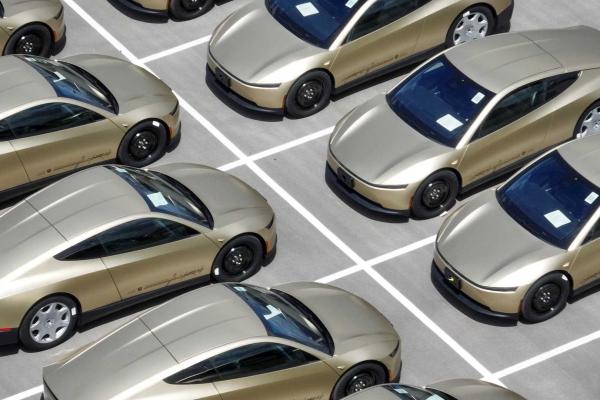
That's the headline buried in fresh data from May 26. Tesla's unsupervised robotaxi fleet peaked at 39 vehicles in mid-May, spread across Austin, Dallas, and Houston. As of yesterday, that number is down to 20. Twenty cars. For a company that's spent years marketing autonomy as the centerpiece of its future, that's a stunning detail.
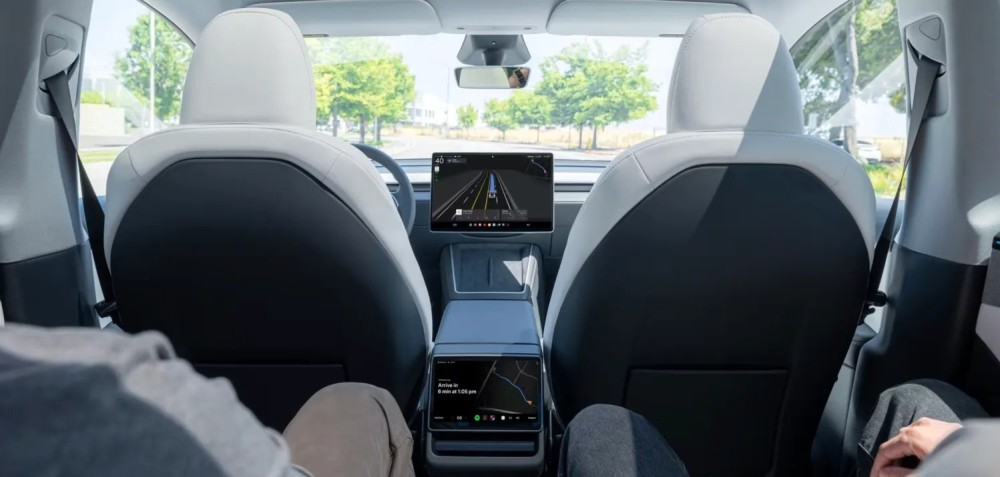
Compare that to what Waymo just announced. Waymo, the Alphabet-owned competitor, expanded its service area to 1,400 square miles across 11 cities this month. More territory than the entire state of Rhode Island. Waymo's fleet is roughly 3,000 cars, they've served 20 million paid trips, and they're targeting 1 million trips a week by the end of the year. They also raised $16 billion earlier this year at a $126 billion valuation specifically to keep pushing.
That's a 150 to 1 fleet ratio, not in Tesla's favor.
It would be one thing if Tesla had just slowed expansion. The shrinking part is what makes this strange. Cars don't usually leave a fleet without a reason. Either they were pulled for safety review, technical issues, or insurance concerns, or they're being shuffled to different test geographies the company hasn't publicly disclosed. Either explanation is a long way from the picture Tesla has been painting publicly.
Here's the context that matters for car buyers, even if you have zero interest in ever riding in a self-driving anything.
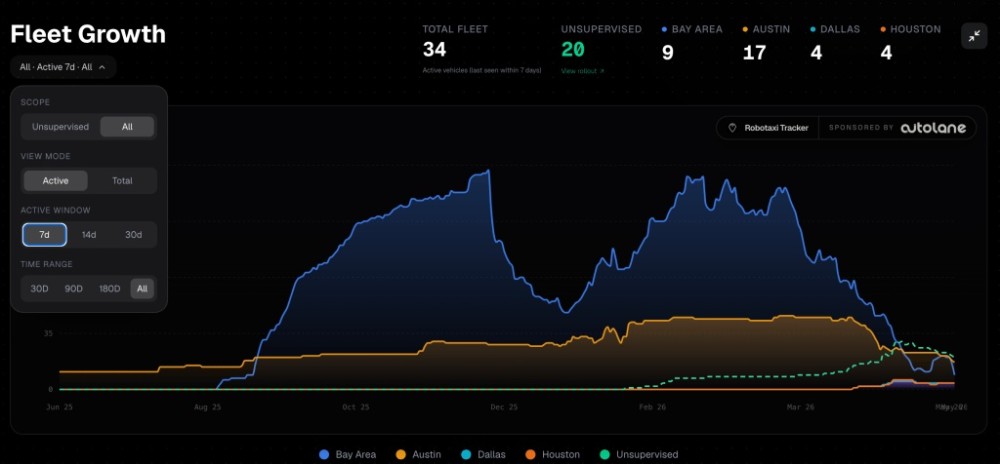
For about three years now, Tesla has tied its valuation, marketing, and software story to the idea that a fleet of autonomous Teslas was imminent. Every owner with a Full Self-Driving subscription was supposed to be sitting on a future income-generating asset. The Cybercab, a purpose-built robotaxi with no steering wheel or pedals, just rolled off the Giga Texas line in February and entered mass production in April. Tesla even did a big "Autonomy Pop-Up" in Miami in late April with a Cybertruck towing a Cybercab in a glass case.
The marketing is everywhere. The actual unsupervised fleet is 20 cars.
Meanwhile Waymo is just doing the work. They went city by city, did endless mapping, ran thousands of safety drivers, and bored their way to a product that quietly handles 250,000 paid rides a week. It's not glamorous. It's not on Twitter every day. But it's running.
The takeaway for anyone considering a Tesla right now isn't that the car is bad. The Model Y is still one of the best-selling vehicles in the world, the Model 3 sips electricity, and the charging network is genuinely excellent. The takeaway is that the autonomy premium baked into the price of Full Self-Driving, currently $8,000 to add, may not deliver what the marketing promises on any timeline that makes financial sense.
If you're buying a Tesla because you like driving a Tesla, that math is fine. If you're paying $8,000 extra because you think your car will be making you money in 2027, the May 26 fleet data is the kind of detail you want to know.
The robotaxi race has effectively become a two-horse race with one horse missing. Waymo is up the road and pulling away. Tesla is still pacing in the paddock telling everyone how fast it's going to run.
What changes the picture is execution, not announcements. Twenty cars in three cities is not execution. A million paid trips a week is. Watch the fleet count, not the press releases, and you'll know who's actually winning.