
Is Your Key Fob Suddenly Lazy in the Heat? It's Not Your Car, It's Physics
by AutoExpert | 2 June, 2026
Picture this. It's pushing 95 degrees in the grocery store parking lot, your arms are full of bags that are already sweating through the paper, and your key fob picks today to give up. You jab the unlock button. Nothing. You walk closer. Still nothing. You stand there in the heat feeling like the universe is mocking you.
Good news. Your car is fine. So is your fob, probably. The real culprit is something almost nobody thinks about, and the fix takes 30 seconds and costs less than a coffee.
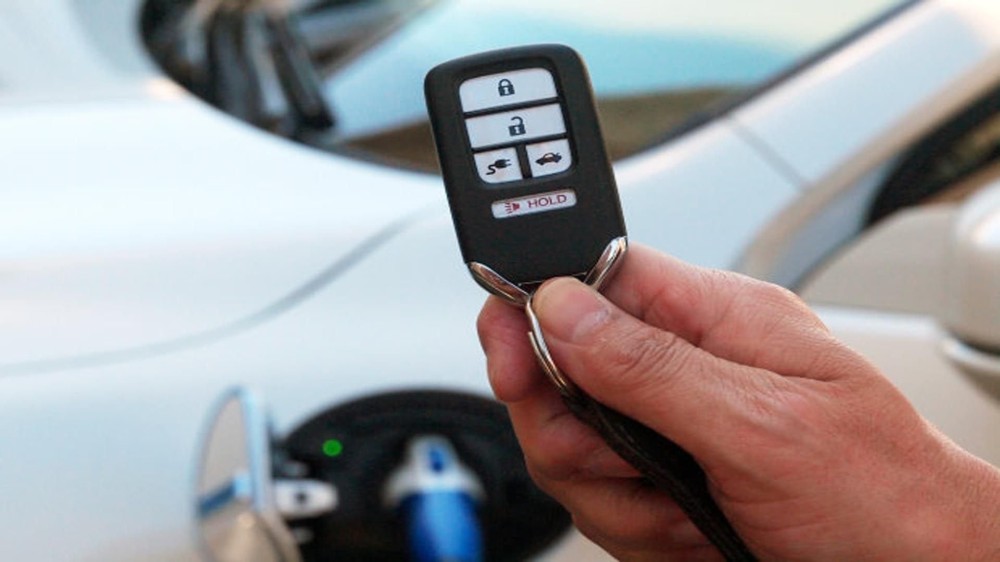
Here is what is actually happening when your key fob is not working in heat. The little disc inside, usually a CR2032 coin battery, runs on a chemical reaction that turns out to be surprisingly fussy about temperature. When summer heat soaks the plastic shell of your fob, especially if it has been baking in a back pocket or a cup holder in a sun-roasted car, that chemistry slows down. The cold does its own version of the same trick in winter. A frigid morning can lop 20 to 30 percent off the battery's effective capacity in a single sitting.
Then add humidity. Add a fob that has been clipped to your gym shorts in July. You have basically built a tiny science experiment, and it picks the worst possible moment to fail.
The Embarrassing Key Fob Trick That Actually Works
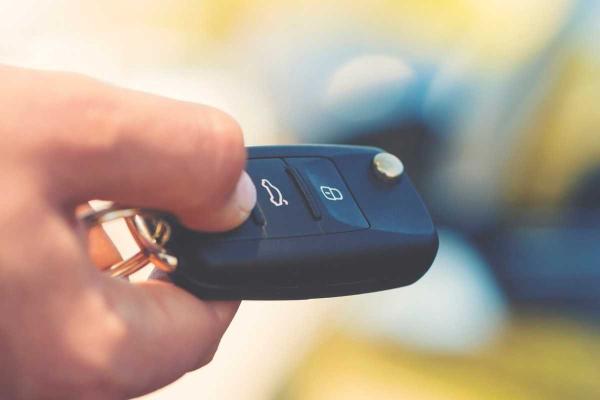
Step one is silly. Hold the fob right under your chin and press the button. Yes, your chin. Your skull acts as a weak antenna and can boost the signal by 10 or 15 extra feet. Drivers have been doing this since key fobs were invented. Try it once and you will use it for the rest of your life.
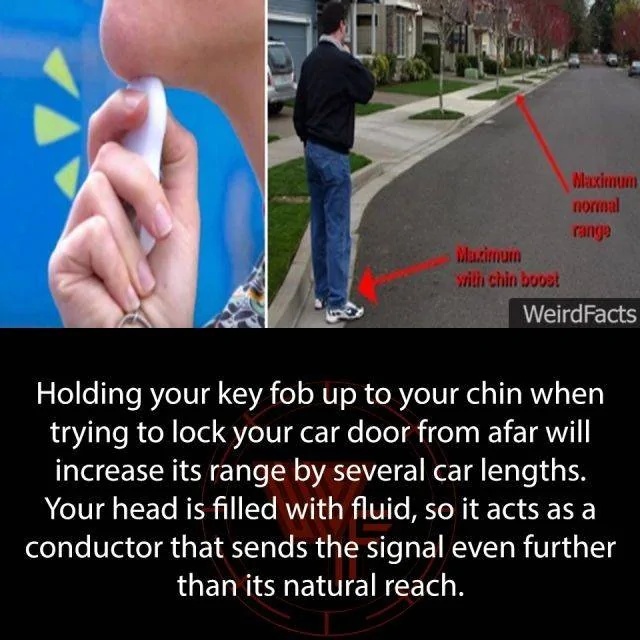
If that does not work, get closer. The effective range on a weakening fob can drop from 30 feet down to 6 in a hot afternoon. What felt like a generous reach yesterday is suddenly a "must be standing next to the bumper" situation.
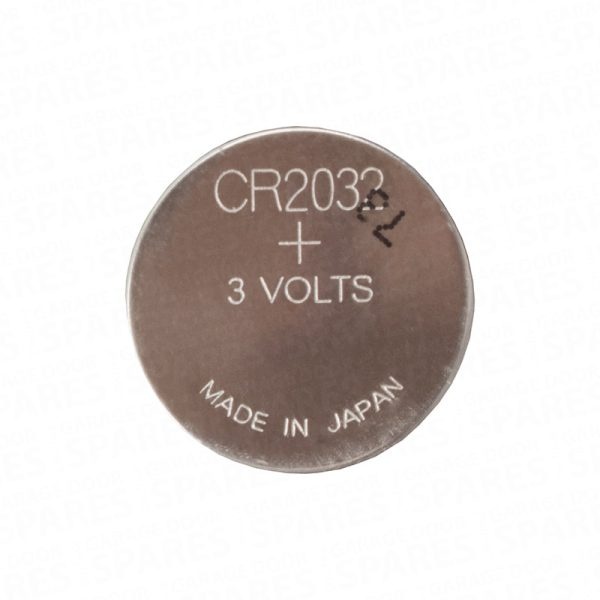
Still nothing? Pop the back of the fob open. A flat coin or a small flathead screwdriver wedged into the seam usually does it. Pull out the old CR2032 and pop in a new one. Most drugstores sell a two-pack for under three bucks, and the vast majority of fobs use the same battery.
The Boring Habits That Keep It Healthy
A well-treated key fob will last five to seven years on one battery. Most fobs do not get treated well. They live on dashboards in direct sun, get dunked in puddles, accidentally ride through the washing machine in a pocket, and sit under heavy keychains that quietly press buttons all day and drain the cell.
A few small things help a lot. Keep a spare CR2032 in your glovebox so future-you is never stuck. Pull the fob out of soaking pockets fast. Avoid leaving it on the dashboard during a 100 degree afternoon. And if your fob has ever survived a full wash cycle, swap the battery sooner than later. The internal contacts probably corroded a little even if it still works.
The Dealership Conversation You Get to Skip
Here is where you save real money. Walk into a dealership and announce your fob is dead, and you might walk out a few hundred dollars lighter. Reprogramming, a new fob, the whole pitch. Nine times out of ten, none of that is the answer. A dead coin cell looks identical to a dead fob from the outside, and the only way to know which one you have is to swap the battery first.
Next time your fob gets dramatic in the heat, take a breath. Try the chin trick. Crack the case. Drop a fresh battery in. You will be back behind the wheel before the ice cream in your trunk has a chance to melt.