Buick Is More Popular in China Than America and Here’s Why
by AutoExpert | 11 March, 2026
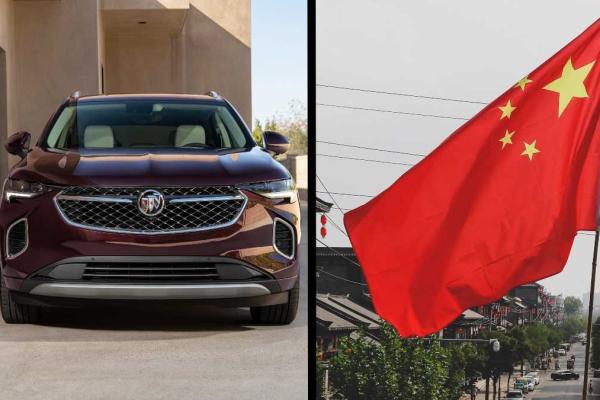
While Washington and Beijing rarely see eye to eye, Chinese car buyers have long been remarkably unified in their affection for one American brand. That brand is Buick which last year delivered 436,729 vehicles in China, more than double the 198,155 that found a home in the U.S.
That's a big split but it's hardly new. China has been Buick's largest market since 2006 and the gap has often been wider than it is today. At one point Chinese buyers were purchasing Buicks at nearly four times the rate of Americans and that strong demand actually played a critical role in sparing Buick from the chopping block during General Motors' bankruptcy era.
What Drives Buick's Popularity in China
Buick is one of many international brands that rode the wave of China's economic boom this century fueled in large part by the country joining the World Trade Organization in 2001 which gave it low-tariff access to major markets like the U.S. and Europe. As more of the population entered the middle class disposable income surged and suddenly many could spend on catching up to Western standards. Buying a new car especially a large car with a foreign brand quickly became a status symbol.
GM already had a leg in the door thanks to Buick's long historical ties with China. The brand first reached the country in the early 1900s brought by American expatriates and wealthy Chinese seeking luxury vehicles. By the 1920s it was becoming popular among government officials including Sun Yat-sen the revolutionary leader who helped establish the Republic of China. After the communist takeover in 1949 Buick disappeared for decades only to return in 1998 when GM formed a joint venture with SAIC Motor.
With globalization accelerating after the WTO deal Buick's sales in China exploded from under 10,000 units in 2001 to roughly 304,000 in 2006 the year China overtook the U.S. as Buick's largest market. In China Buick was and still largely is today seen as an aspirational luxury brand appealing to both young and old which is quite a contrast to its U.S. image as a near-premium brand aimed at older buyers.
Buick's robust performance in China would prove critical during GM's 2009 bankruptcy. As part of the bailout and restructuring there was a push to trim GM's portfolio to just Chevrolet and Cadillac allowing the automaker to focus on globally competitive brands. That strategy meant cutting brands that operated primarily in North America like Pontiac and Saturn. Buick however was kept thanks to its strong sales and profits in China. A lifeline that helped keep the brand alive and ensured future investment.
Sales continued to climb each year peaking at 1.23 million in 2016 before beginning a steady decline that continues today for lots of reasons. China's breakneck growth started to cool and demand for premium international brands began to taper. At the same time domestic automakers like Geely, BYD, and Great Wall were rapidly improving quality while offering cheaper alternatives particularly in electric vehicles and plug-in hybrids which the government was heavily promoting. These challenges were compounded by worsening U.S.-China trade tensions creating a perfect storm that slowed Buick's once unstoppable momentum in the world's largest car market.
The Buicks You Can't Buy Here
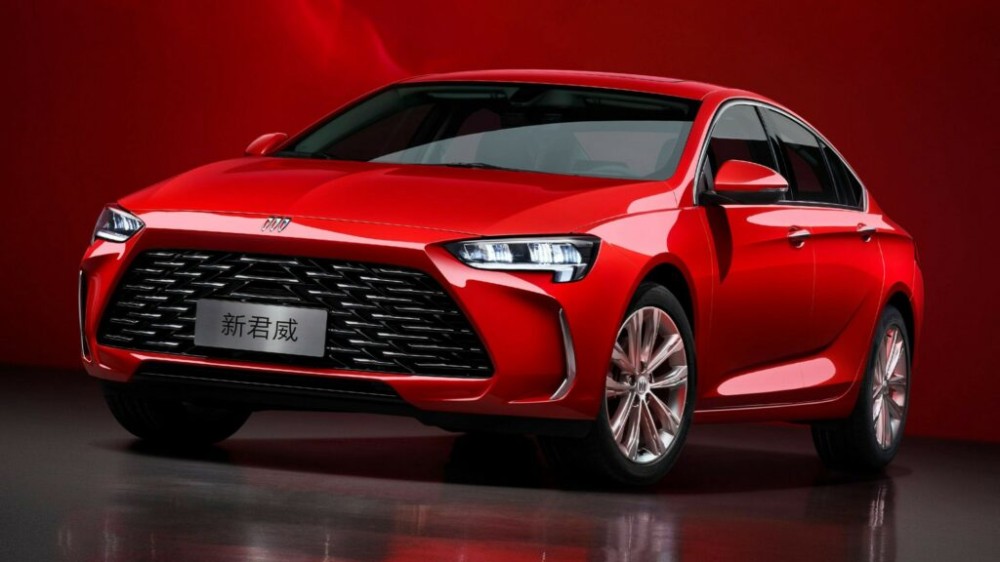
Buick's growing importance in China over the past decade prompted GM to invest heavily in models developed specifically for that market. These vehicles weren't just tailored to local tastes but also designed to align with government incentive programs encouraging plug-in hybrids and electric vehicles collectively referred to in China as "new energy vehicles." Buick initially addressed this push by launching the Velite sub-brand in 2017 which grouped together its electrified offerings. More recently the brand has transitioned to the Electra name for its next generation of EVs and electrified models. Latest example is the Electra L7 sedan a sleek new flagship that underscores Buick's continued focus on China.
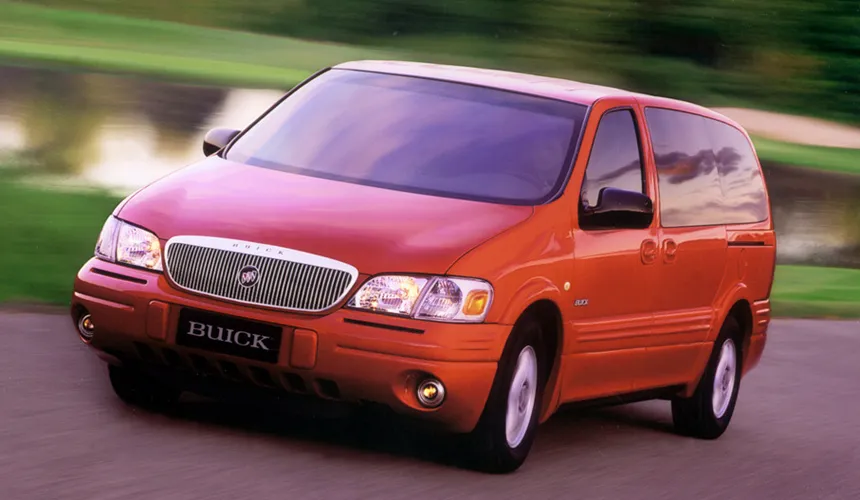
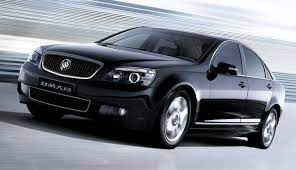
Buick also ventured into segments in China it didn't pursue elsewhere. One of the most notable is the luxury minivan category where the Buick GL8 has become something of an institution. Introduced in 1999 the GL8 was among the first modern Buicks sold in China and quickly found favor with both families and chauffeured executive fleets. Over the years it has evolved through multiple generations and amassed more than two million sales making it one of the brand's most successful nameplates globally. Sedans remain another key segment in China even as their popularity has waned in the U.S. and Buick continues to offer a full lineup there including updated versions of the Verano, Regal, and LaCrosse.
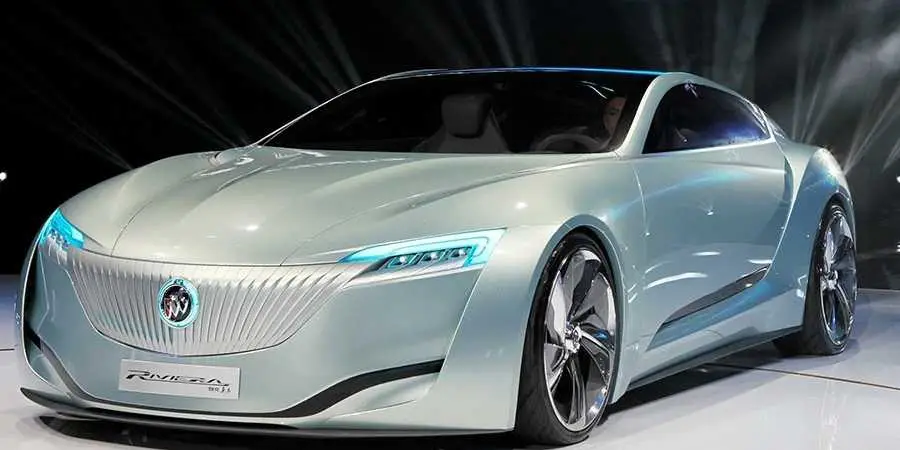
Design has also played a major role in Buick's China strategy. The brand operates dedicated design teams in the country whose work not only shapes models intended for Chinese buyers but increasingly influences vehicles sold in North America as well. These teams have produced a string of striking concept cars previewing Buick's evolving design language and electric future. Most recent example is the Electra Orbit concept unveiled last August which blends retro-futuristic cues reminiscent of 1950s optimism with the clean proportions expected of a modern EV.
Buick isn't the only GM brand benefiting from China-exclusive models. Cadillac which continues to position itself as a global luxury brand also fields several vehicles there that aren't offered in the U.S. These include updated versions of the CT6 full-size sedan and XT5 midsize SUV plus the GT4 compact SUV. Together they illustrate how China has become an increasingly important market for GM's premium brands.
China Even Builds Buicks for the U.S.
Unfortunately there's no easy way for those unique Buicks and Cadillacs to make their way to the U.S. Without GM moving production to a more tariff-friendly location there's very little chance we'll see some of those cooler offerings on these shores. That wasn't always the case though.
GM became the first Detroit automaker to import a Chinese-built vehicle to the U.S. when it brought over the first-generation Envision compact SUV for the 2016 model year. Back then tariffs stood at just 2.5% but the first Trump administration began ratcheting them up by introducing a 25% tariff in 2018. Current rate is closer to 45%.
Despite some early negative attention as the first Chinese-built vehicle imported by a U.S. automaker the Envision's sales were successful enough to warrant the local launch of a second generation in 2021 and that model has been achieving more than 40,000 units annually in the U.S. over the past three years or roughly a quarter of Buick's total sales here.
Ford followed in GM's footsteps by importing a second-generation Lincoln Nautilus compact SUV from China starting with the 2024 model year. Volvo which is owned by China's Geely was actually the first major automaker to import a Chinese-built vehicle to the U.S. when it brought over a version of its S60 sedan slightly before GM started importing the Envision. Volvo would also import versions of the S90 and EX30 from China but now relies solely on U.S. production and imports from Europe for its sales here. Ford hasn't announced any plans to curb imports of the Chinese-made Nautilus but GM has indicated its next Envision or the vehicle that replaces the current one will be built in the U.S. starting in 2028.
China: Buick's Real Home Market
More than a century after Buicks first appeared on Chinese roads the country remains central to the brand's identity and survival. China not only buys more Buicks than the U.S. it shapes the cars the brand builds and the direction it takes. For Buick today success isn't just about selling cars in America. It's about staying relevant in the world's largest car market.