
From Workhorse to Status Symbol: How the Pickup Truck Quietly Took Over America’s Roads
by AutoExpert | 11 June, 2026
Picture a grocery-store parking lot in 1993: Tauruses, Accords, maybe a stray Explorer. Fast-forward to the same lot in 2026 and you’re surrounded by tailgates. Statistically that feeling isn’t a mirage. There are about 177 million registered trucks in the United States but only 97 million cars. Two to one. Pure pickups, even before counting SUVs.
That ratio didn’t happen because every American suddenly bought a ranch. It happened because the pickup truck changed, and so did we.
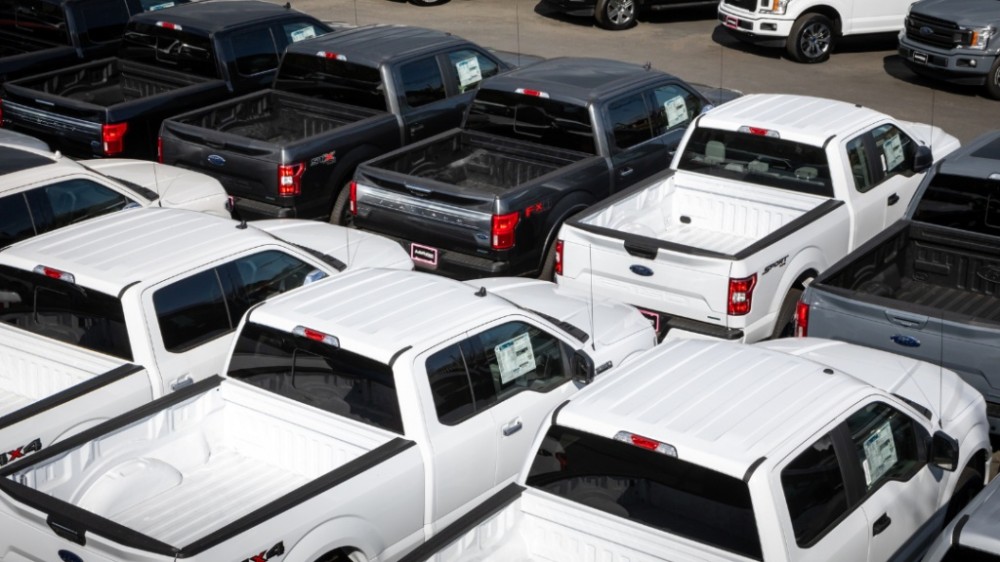
Back when cassette decks were standard, a pickup was a rattly work rig. Vinyl seats, crank windows, a leaf-spring ride that punished spines and coffee cups alike. Families shopped wagons, then minivans. Contractors bought trucks. Everyone stayed in their lane.
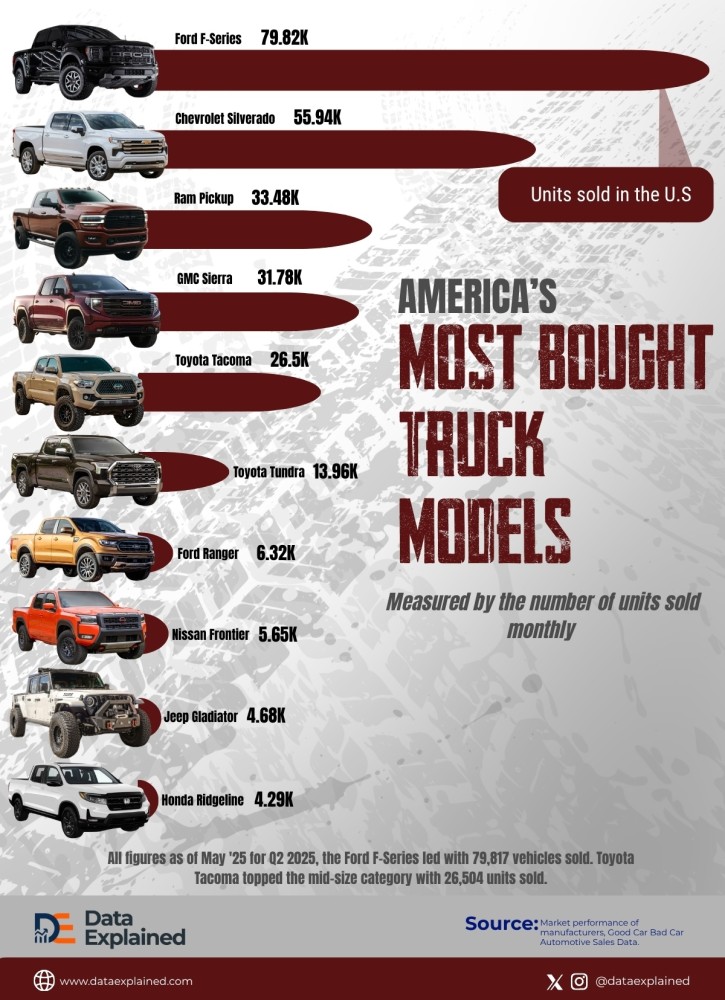
In the mid-1990s Detroit discovered an unlocked cheat code: give that contractor’s rig cushy suspension, leather buckets, cupholders for everybody, and a stereo that thumps. Suddenly the same vehicle could tow a bass boat Saturday morning and glide through Starbucks on Monday. Luxury badges took notice, adding real-wood dashboards and six-figure sticker prices. Buyers responded; the Ford F-Series has led national sales charts for forty-nine straight years.
A second shift happened off the spec sheet. Trucks started telling a story sedans never could. A Silverado in the driveway hints that its owner might haul mulch, help a neighbor move a couch, pull a camper into the woods, whether that happens weekly or once every two summers. The image stuck hard, even with people who will never lock hubs or hitch up a trailer. Brand managers leaned in, and by the time the first iPhone launched, a pickup was less appliance, more personal statement.
Meanwhile sedans lost their superpower. Crossovers delivered the same easy climb-in seating and cargo flexibility without the van stigma; commuters traded Camrys for RAV4s. Luxury buyers deserted the big trunk, low-roof silhouette for SUVs with panoramic glass. That left a vacuum at the top of the market that trucks happily filled. They were already pricey, already profitable, and now they looked like the aspirational buy.
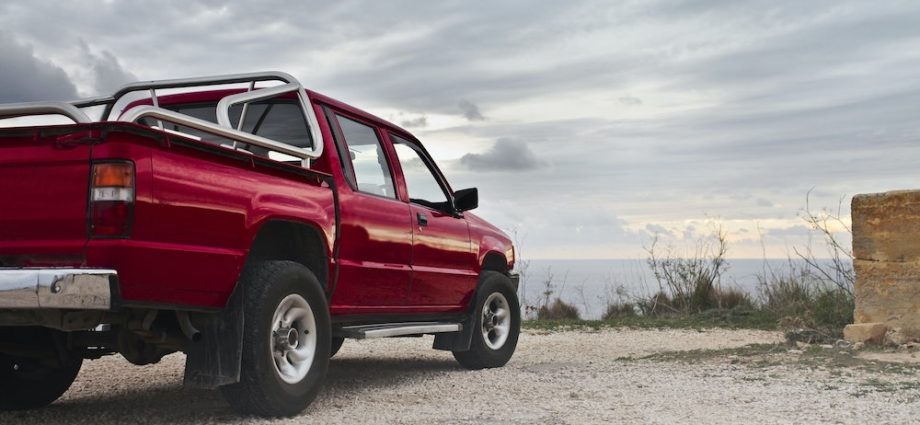
Even fresh tech hasn’t slowed the freight train. Electric pickups such as the F-150 Lightning and Rivian R1T are still footnotes in overall truck numbers, but they show how deep the appeal runs: companies don’t spend billions electrifying a segment unless they’re sure drivers will follow. Early adopters looking to skip the gas pump aren’t choosing compact EV hatchbacks; they’re reserving battery-powered trucks.
None of this means sedans vanished. They live on in ride-share fleets and cost-conscious driveways. But the family default moved upstairs, to crossovers for many households and to pickups for millions more. And once ownership habits stick – cab size, bed organization, 360-degree cameras that make parallel parking a full-size rig easy – it’s hard to imagine those drivers squeezing back into a three-box sedan.
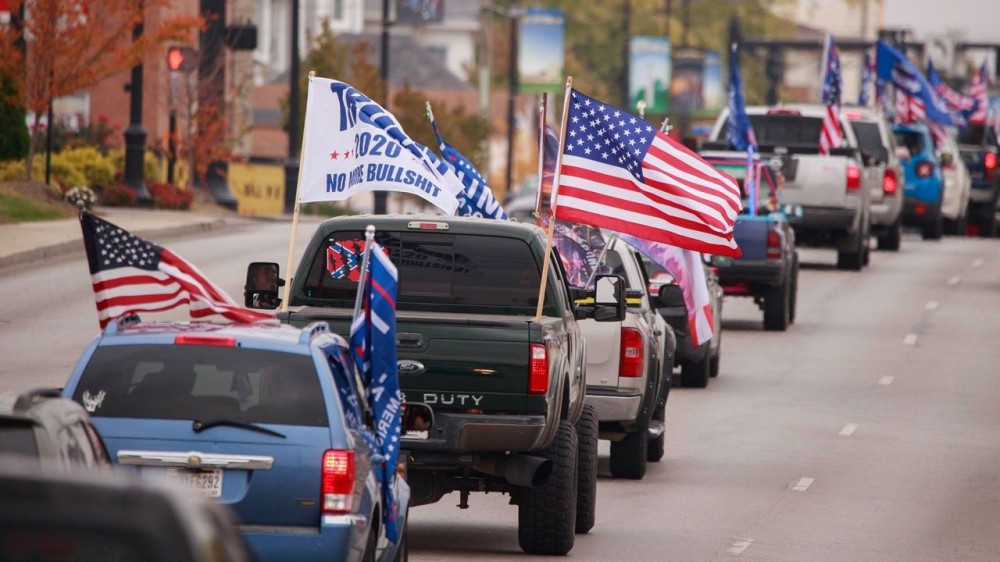
So the next time you wonder why the freeway looks like a rolling construction site, remember: the pickup stopped being just a tool. It became a living room, a billboard, and a Swiss-army knife on wheels. America didn’t just buy more trucks; it rewired its idea of what a normal vehicle should do. And most of us, even the reluctant sedan holdouts, have learned to drive (and park) in that new reality.