EV Batteries Don't Just Die and Get Thrown Away. Here's the Surprisingly Cool Thing That Happens Next.
by AutoExpert | 11 June, 2026
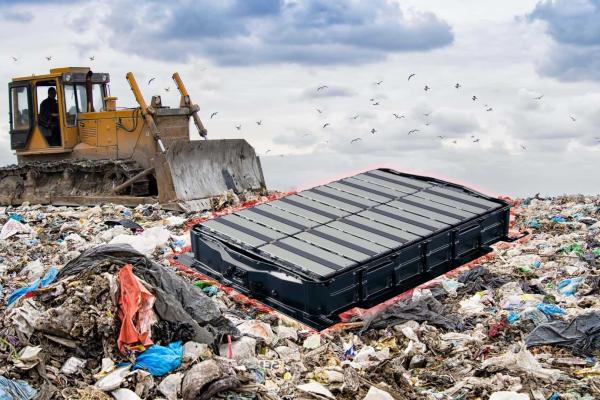
One of the most common questions people have about electric vehicles never really gets answered in car reviews or commercials: what happens when the battery eventually dies?
It's a fair question. These are large, expensive packs of lithium-ion cells. The battery in a typical EV weighs somewhere between 400 and 1,000 pounds. It doesn't go in a recycling bin. So where does it go?
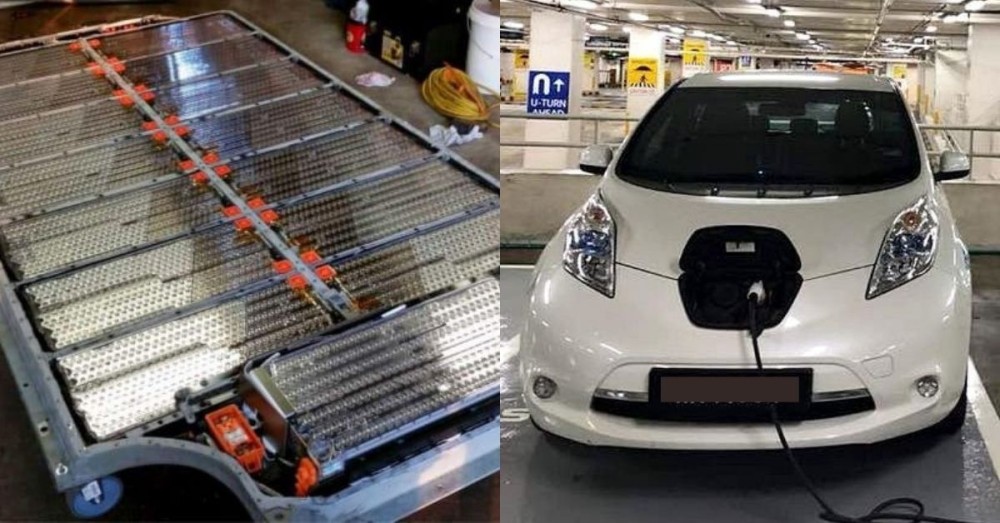
The answer is more interesting than most people expect, and it's gotten significantly better just in the past few years.
Here's how it generally works. An EV battery doesn't die all at once like a light bulb. It gradually loses the ability to hold a full charge. Most automakers consider a battery "end of life" for automotive use when it drops below about 70 to 80 percent of its original capacity. But a battery at 75 percent health isn't garbage. It still holds and delivers a substantial amount of energy. It just can't reliably push a 4,000-pound car down a highway for 250 miles anymore.
That's where second-life applications come in. Companies now harvest those partially degraded battery packs and repurpose them as stationary energy storage systems. Think of the large battery units that homes with solar panels use to store power overnight, or the backup storage systems that businesses and warehouses use to reduce peak electricity demand. For those applications, a battery at 75% capacity works just fine. It doesn't need to move a vehicle. It just needs to sit there and hold electricity reliably, which it can do for many more years.

General Motors recently expanded its partnership with Redwood Materials specifically to build this kind of second-life infrastructure, and they already have a 7.2 megawatt-hour energy storage system built almost entirely from repurposed GM battery packs running at a plant and saving over $3 million in electricity costs over its lifetime.
Eventually, even a second-life battery reaches a point where repurposing doesn't make sense. That's when it goes to recycling. This is where the materials story gets interesting. Inside a lithium-ion battery are significant amounts of lithium, cobalt, nickel, manganese, and copper. All of those materials can be extracted and used to build new batteries. The EU already requires 90% recovery rates for cobalt, copper, and nickel, and 50% recovery of lithium by 2027. New robot-assisted systems are automating the dismantling process to make recovery faster and safer.
The battery recycling market is currently valued at around $6.9 billion and is projected to grow to $37 billion by 2035 as the number of aging EVs increases.
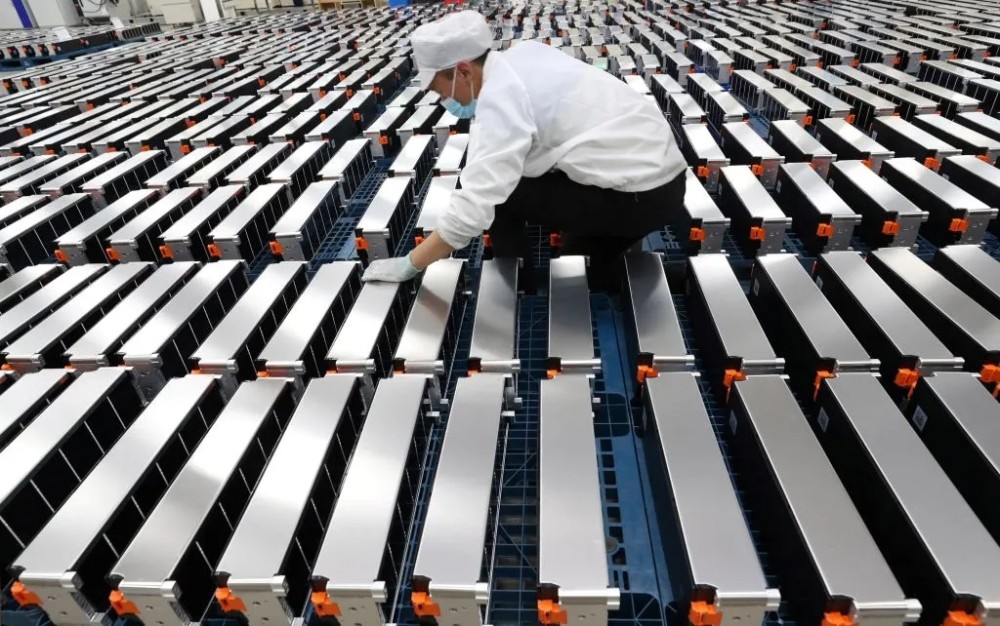
What this means practically for EV owners is that the "battery disposal" concern, while legitimate, is being actively addressed at scale. The batteries don't disappear into a landfill. They go to work storing solar power for homes, backing up grid capacity, and ultimately giving back the materials that can build the next generation of EVs.
It's a loop that's still being refined and scaled, but it's already working. The battery in your electric car may outlive the car itself, just in a different role.