
America Was Supposed To Go All-In On EVs. Instead, Hybrids Are Having The Last Laugh
by AutoExpert | 8 June, 2026
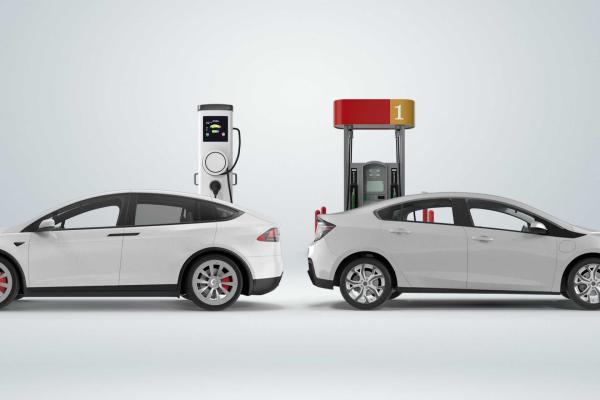
For a few years there, the future looked pretty settled. Every glossy car commercial had the same mood. Silent roads. Blue charging lights. A handsome crossover gliding past a wind farm. The message was not exactly subtle: gas was old news, EVs were the future, and hybrids were just the awkward middle step people took before they were ready to commit.
Well, 2026 has entered the chat. And the story is not nearly as clean as everyone made it sound.
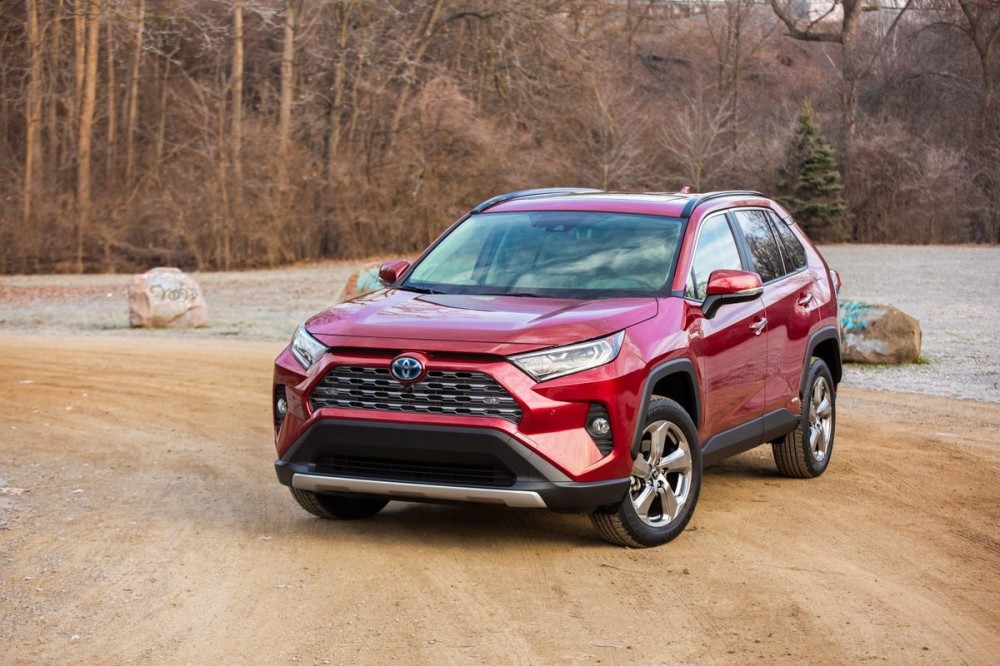
Hybrids, the supposedly temporary solution, are suddenly the most practical answer in the room. Not because EVs failed. They did not. But because American drivers have a very annoying habit of choosing the thing that actually fits their lives.
Hybrids Are Winning In The Place EVs Were Supposed To Own
If there was one state where electric cars were supposed to run away with the market, it was California. Tesla grew up there. Chargers are easier to find there than in most of the country. State policy has been pushing drivers toward zero-emission vehicles for years. If EV adoption had a home field, this was it.
Which is why the latest sales mix is so interesting. Hybrids now account for about 21% of new vehicle sales in California. Battery electric vehicles are not showing the same momentum. Tesla registrations in the state are also down sharply from a year earlier, which is hard to brush off as nothing.
That does not mean Californians suddenly hate EVs. That would be too easy, and probably wrong. It means a lot of buyers are doing the math again. And when they do, hybrids look annoyingly sensible.
Across the U.S., the same pattern is showing up. Electrified vehicle sales are not just about full EVs anymore. A large share of that market is hybrids. Surveys are pointing in the same direction too, with more Americans saying they are seriously considering a hybrid than a fully electric car for their next purchase.
That is a pretty big shift from the old “EVs are inevitable, hybrids are filler” storyline.
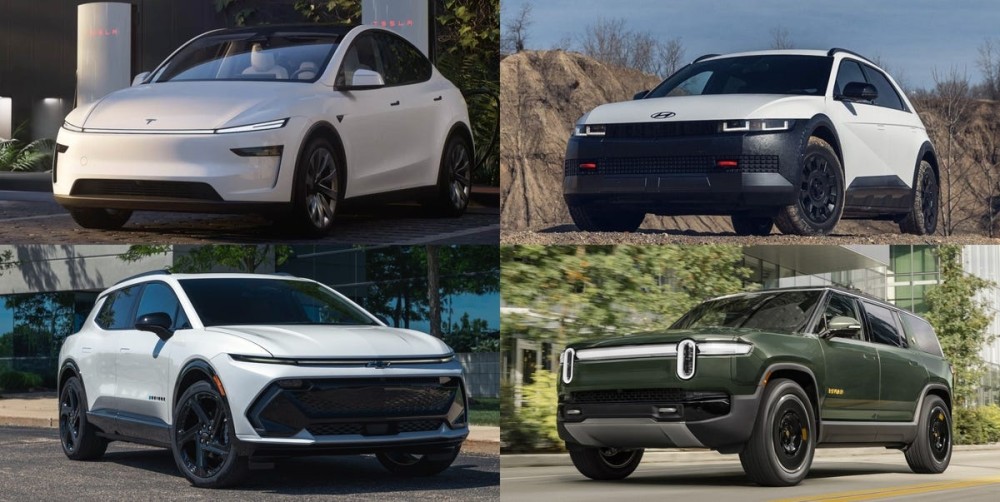
So What Changed?
A few things, all at once. First, price started mattering again. Not that it ever stopped mattering, obviously. But for a while, the conversation around EVs had a kind of tech-world optimism around it. Prices would fall. Batteries would get cheaper. Charging would be everywhere. Incentives would help bridge the gap.
Then the federal EV tax credit went away in 2025, taking up to $7,500 of buying power with it for shoppers who had been counting on that discount. That is not a tiny detail. That is the kind of number that can turn a “maybe” into a “not right now.”
With new vehicles already expensive, removing a major incentive made plenty of buyers look twice. And when they looked twice, many of them saw a hybrid sitting there with better fuel economy, no charger anxiety, and a lower-drama ownership experience.
Then there is the charging issue. EV owners and EV fans can argue about this forever, but ordinary shoppers are not buying a debate. They are buying a car. And if someone lives in an apartment, parks on the street, drives long distances, visits family in rural areas, or simply does not want to plan every trip around charging stops, a full EV can still feel like a leap.
A hybrid does not ask for that leap. It just works. It uses less gas. It does not need to be plugged in unless it is a plug-in hybrid. It does not require a home charger. It does not turn a holiday road trip into a charging-station scavenger hunt. It feels familiar, which is not a small thing when people are spending real money.
That familiarity is probably the whole point.
Toyota Looks Less Stubborn Now, Doesn’t It?
For years, Toyota took heat for not rushing into pure EVs as aggressively as some competitors. The company kept saying hybrids mattered. A lot of people heard that as hesitation, or maybe even denial. The auto industry was supposed to be sprinting toward battery-electric everything, and Toyota kept showing up with another hybrid.
In hindsight, that strategy looks a lot less boring. Toyota understood something that got lost in the hype: buyers do not all move at the speed of technology headlines. They move when the product, price, infrastructure, and daily convenience line up.
For many Americans, hybrids line up better right now. Not forever, necessarily. But right now, yes.
This Does Not Mean EVs Are Dead
That is the trap in this conversation. The moment hybrids start doing well, people want to turn it into a funeral for EVs. That is silly. EVs are still growing globally. China is moving incredibly fast. Battery technology keeps improving. Charging networks are better than they were a few years ago. Plenty of drivers who can charge at home and have predictable commutes are perfectly happy with full electric cars.
EVs are not going away. But the idea that every buyer was going to jump straight from gas to electric on the same schedule? That was always a little too neat.
The U.S. market is messy. People drive long distances. Housing is different from city to city. Weather matters. Charging access matters. Vehicle prices matter. Politics matter, whether automakers like it or not.
And hybrids fit into that mess better than a lot of people expected.
For Shoppers, This Is Actually Good News
Anyone shopping for a car in 2026 does not have to treat the decision like a personality test. Buying a hybrid does not mean someone is anti-EV. Buying an EV does not mean someone is reckless. Buying a gas car does not mean someone missed the memo.
It just means the right answer depends on the life around the car. For drivers with a garage, a home charger, a regular commute, and a taste for quiet instant torque, an EV can still make a lot of sense.
For drivers who want lower fuel costs but do not want to think about charging, a regular hybrid may be the easiest win. For drivers who can charge at home but still want a gas engine for long trips, a plug-in hybrid might be the sweet spot. That is the part of the market that feels different now. Hybrids are no longer the consolation prize. They are the practical middle ground, and for a lot of households, the middle ground is exactly where the smartest money goes.
The EV Future May Still Be Coming. It Is Just Taking The Scenic Route
The old prediction was simple: gas cars fade, EVs take over, hybrids quietly disappear. Real life, as usual, is being less cooperative. Hybrids are not disappearing. They are getting better, more common, and more attractive to people who want to save fuel without reorganizing their lives around a plug.
The EV future is still out there. Charging will improve. Batteries will improve. Prices should keep moving. But in 2026, a lot of Americans are looking at the choices in front of them and making a very reasonable decision:
Maybe the smartest car right now is not the one that skips straight to the future. Maybe it is the one that makes today easier. And that is why hybrids, after years of being treated like the waiting room for EV ownership, are suddenly looking like the main event.