
Toyota Is Turning the bZ4X Into a Driverless Taxi With Waymo Technology
by AutoExpert | 4 November, 2026
Toyota's bZ electric SUV is about to spend less time in private driveways and more time picking up passengers. The Japanese automaker is working with Waymo on a driverless version of the crossover, with the first vehicles expected to enter service in Japan in 2027. The UK and other Waymo markets could follow later.
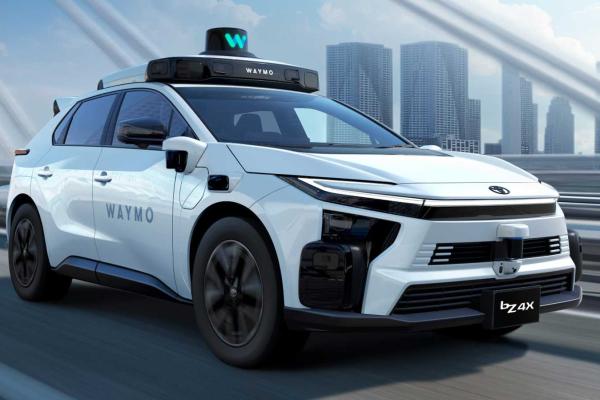
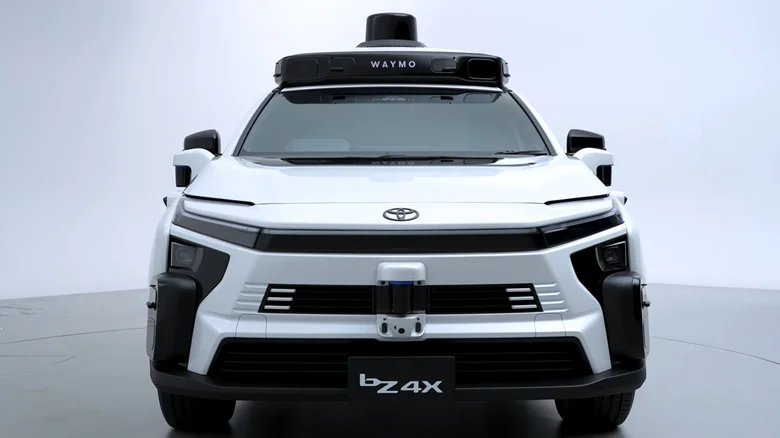
The project uses the facelifted Japanese-market bZ4X, sold simply as the bZ in North America. From the outside, the biggest giveaway is all the extra hardware. Cameras and sensors are mounted on the roof, front and rear bumpers, fenders, tailgate, and rear spoiler. The rest of the body stays close to the regular model, finished in white with Waymo logos on the doors.
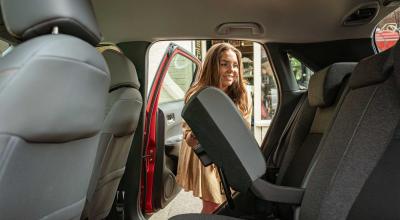
Passengers will get a few changes inside, too. Toyota plans to fit automatic doors, a powered tailgate, and ambient lighting. Rear legroom is also a priority, which makes sense for a vehicle that will spend its days carrying customers around town.
One detail that makes this project different is where the technology will be installed. Waymo usually takes regular production vehicles and adds its self-driving equipment later. With the Toyota bZ, the sensors and Level 4 autonomous hardware will be fitted directly at Toyota's Takaoka factory in Japan.
Toyota hasn't shared the robotaxi's full technical specifications yet. The standard electric SUV uses the e-TNGA platform and comes with single- or dual-motor options producing up to 214 hp. Its 74.7 kWh battery offers up to 314 miles of WLTP range, or 252 miles under the EPA test cycle.
For now, Japan will get the first vehicles in 2027. Whether the Toyota-based taxis will eventually appear in American cities where Waymo already operates is still unclear.
There's also a bigger plan behind the partnership. Toyota and Waymo are looking at ways to bring autonomous driving technology to privately owned cars. Together with Toyota's software division, Woven by Toyota, they also want to use real-world driving data to improve road safety.