

Should You Buy a Salvage-Title Car in 2026? The Real Risks Behind the Discount
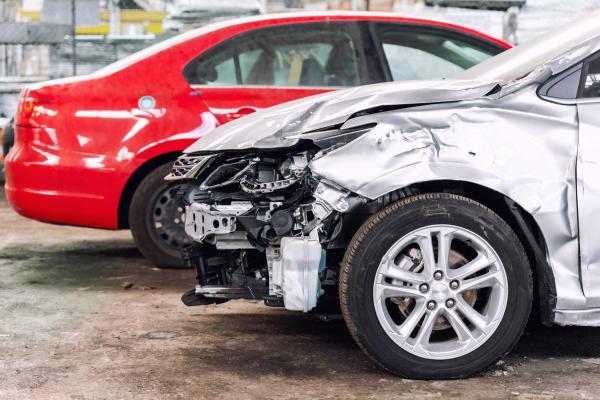
by AutoExpert | 19 February, 2026
Used cars have gotten stupid expensive. Early 2020, the average used car went for about $20,500. Now it's closer to $27,000 according to CarGurus. That's a 25% jump in six years. People are desperate for deals, and salvage-title cars look like the answer. They go for 20% to 40% less than clean-title cars. A lot of them look totally fine on the outside. Even some dealers are buying them now.
There's a catch though. These cars have salvage titles because an insurance company said they were totaled. Accident, flood, theft, whatever. Something bad enough happened that fixing it didn't make financial sense. Buying one means gambling on a car with a questionable past.
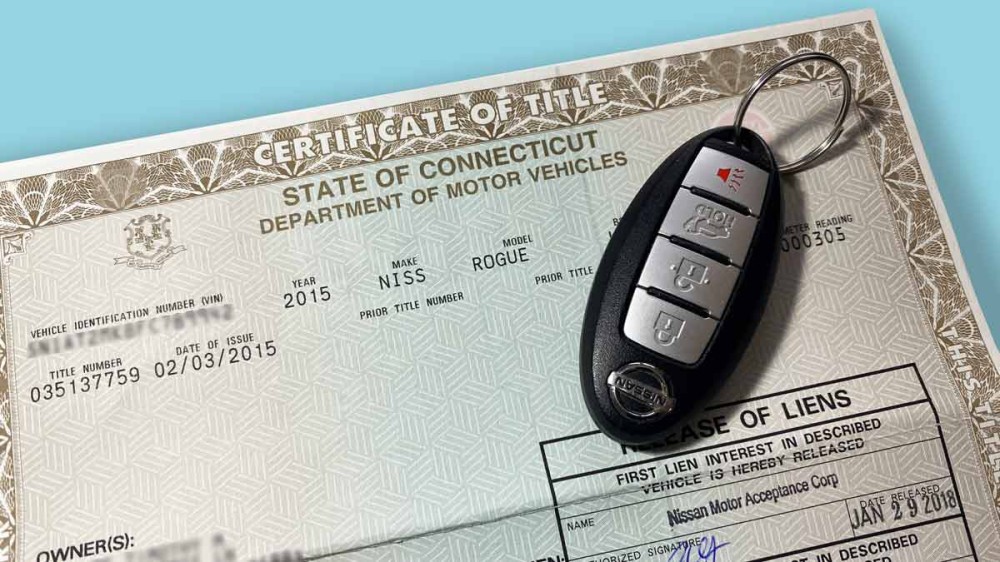
Salvage titles work differently depending on the state and what wrecked the car. There's also rebuilt salvage titles, which means someone fixed it up and it passed inspection to drive legally again. But the real issue is you never know what you're getting. You're betting the damage is either fixable or already fixed right. That bet affects whether the car is safe, whether it drives okay, what it's worth later, and whether any bank or insurance company will even touch it.
What It Actually Means
A car gets a salvage title when the damage is bad enough that repairs would cost more than a certain chunk of the car's value. Usually around 75%, varies by state. Someone crashes their car, files a claim, and the insurance company runs the numbers. If fixing it costs too much, they call it totaled, pay out the owner or whoever has the loan, and take the car. DMV issues a salvage title and the car gets hauled off to an auction like Copart or IAA so the insurer can recover some cash.
Every state does this differently. Some just stamp it "Salvage." Others get specific. Florida has "Salvage Stolen." Florida and a bunch of other states also use "Flood Damage" as its own separate nightmare category. Some states call it "Totaled" instead. Rebuilt cars get yet another title type.
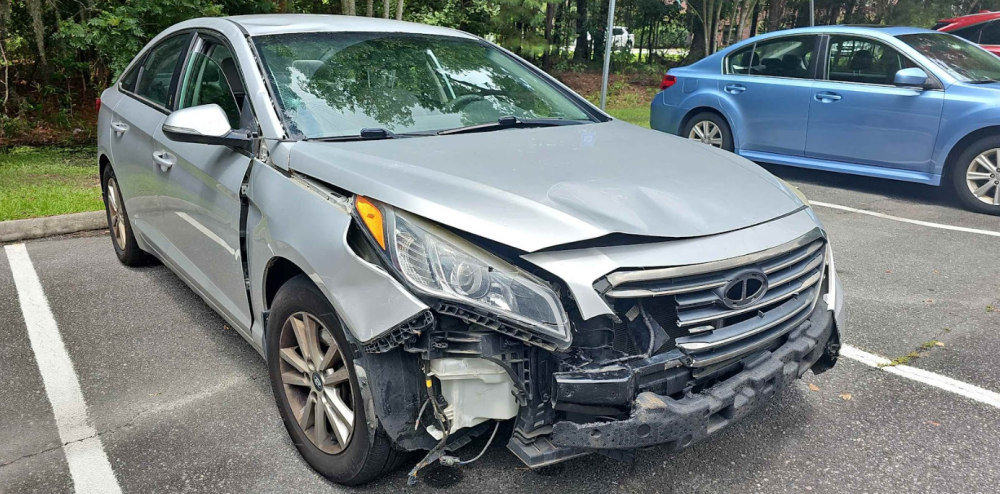
No federal law makes states use the same language. The American Association of Motor Vehicle Administrators has guidelines with standardized codes that feed into the National Motor Vehicle Title Information System, which is run by the Department of Justice. When someone pulls a Carfax, that's where the title info comes from.
Why It's a Bad Bet
Totaled cars are everywhere. A 2022 LexisNexis report said 27% of vehicles in accidents with collision claims got declared total losses. Hard numbers on salvage cars are tough to find, but older data says around 3.5 million vehicles go through salvage auctions every year. Some get stripped for parts. Some get shipped overseas. Some wind up back on the road. Private buyers can hit up Copart and IAA auctions in some states, or use a broker. Facebook Marketplace is crawling with them.
Problem is you have no idea what's actually wrong. Car looks clean but could have engine issues or electrical problems nobody's found yet. Unrepaired car might have hidden damage that only shows up halfway through trying to fix it. Even rebuilt salvage cars that passed state inspection might still have stuff that got missed or half-assed during repairs.
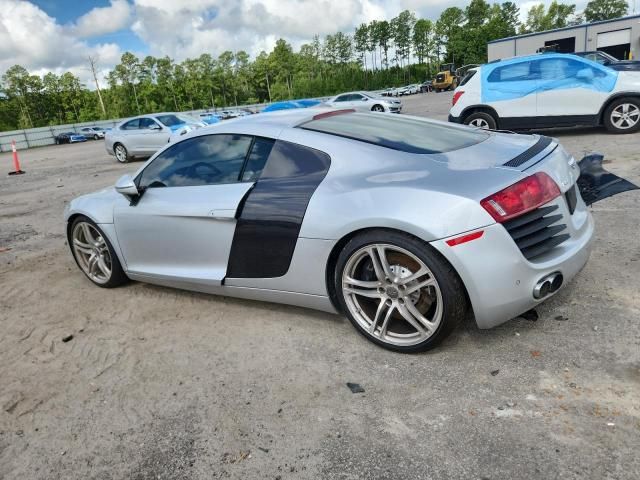
Then there's the real-world headaches. Most banks won't finance salvage cars because they can't figure out what the collateral is actually worth. A lot of insurance companies flat-out refuse to cover them. The ones that do usually only offer liability, nothing comprehensive or collision. And that discount up front? Kills resale value later. Tons of people won't buy a salvage car, which makes unloading it a nightmare when the time comes.