
Everyone Complains About Blinding Headlights Now. Turns Out, They Have A Point
by AutoExpert | 1 June, 2026
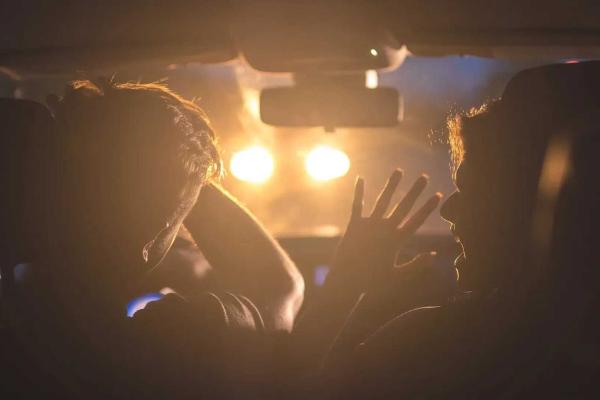
There is a very specific kind of rage that only happens at night. A driver is heading home, minding their own business, and then some enormous pickup appears in the rearview mirror. Not even that close, either. Still two or three car lengths back. But somehow the whole cabin lights up like a dentist’s office.
Then, before the eyes even recover, another car comes over the hill in the opposite lane and blasts a white beam straight through the windshield. For a second, the road disappears. Not completely, of course. But enough to make a person blink too hard, grip the wheel, and mutter something unprintable.
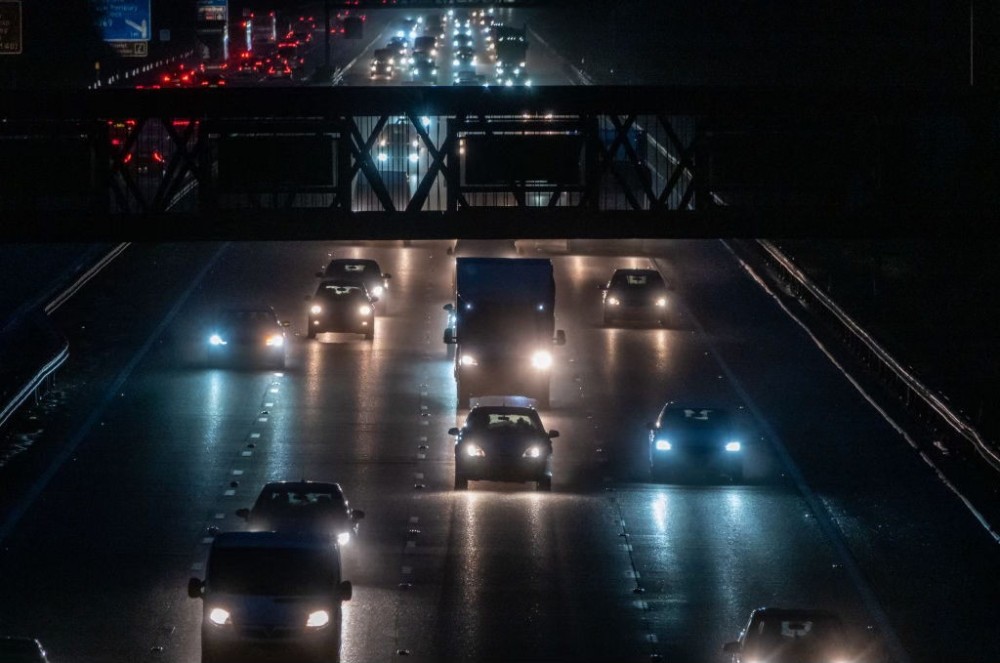
A lot of drivers have been saying the same thing lately: headlights are out of control. And for once, this is not just nostalgia talking. It is not people getting older and crankier. It is not some imaginary internet complaint that turned into a real-world obsession.
Headlights really are different now.
Why Are Headlights So Bright Now?
The simple answer is LEDs.
For decades, most cars used halogen headlights. They were not perfect, but they had a warmer, yellower glow. Softer, basically. They lit the road without making every passing car feel like a police interrogation.
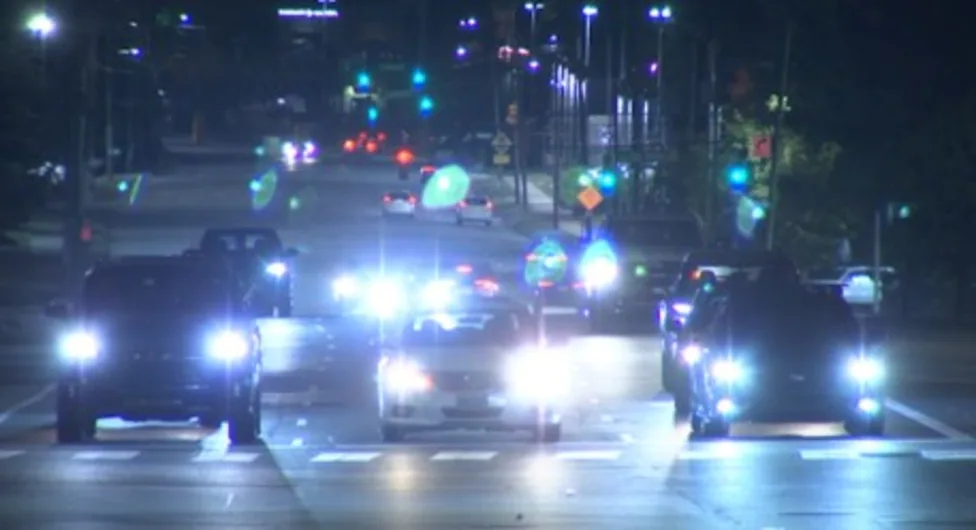
Modern LED headlights are a different animal. They are brighter. They are whiter. They are sharper. That blue-white tone might look clean and expensive in a showroom, but on a dark road, it can feel brutal. The light hits the eye differently, and plenty of drivers describe the same thing: it does not just look bright, it actually feels painful.
The beam is part of the problem too. Old halogens spread light in a fuzzier, more forgiving way. LEDs can throw a much more precise, hard-edged beam. Great for the person driving the LED-equipped car. Not always so great for everyone coming the other way.
That is why some headlights no longer feel like they are shining. They feel like they are aiming.
Then there is the SUV and pickup problem. America’s roads are full of taller vehicles now. Crossovers, lifted trucks, family SUVs, big luxury haulers. Their headlights sit higher than the lights on smaller cars, which means they often point straight into the mirrors or windshields of lower vehicles.
So when someone in a sedan says a truck’s headlights are burning into their skull, they are not being dramatic. From that seating position, that is basically what it feels like.
The problem is not one thing. It is the whole ugly mix: brighter LEDs, colder light, sharper beams, bigger vehicles, and a lot of headlights sitting exactly where other drivers’ eyes happen to be.
Why Hasn’t Anyone Fixed This?
This is the maddening part. The rules have not kept up with the cars. The main U.S. headlight standard, FMVSS 108, comes from a very different era of vehicle lighting. It was written when headlights were simpler, warmer, and nowhere near as aggressive-looking as what is on the road now.
Technology changed. Vehicle design changed. The roads filled up with taller vehicles. The rules did not move nearly as fast.
There is already a better solution, at least in theory. It is called adaptive driving beam, which sounds boring but is actually pretty clever. Instead of blasting one fixed beam of light, the system can adjust sections of the headlight. It keeps the road bright for the driver, while dimming the part that would shine into another person’s face.
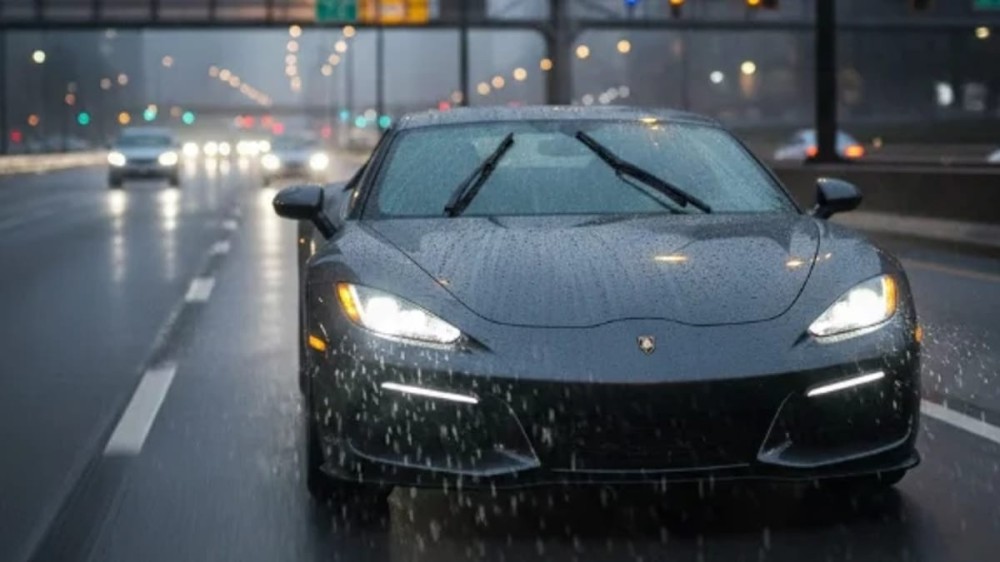
In other words, the car can see more without blinding everyone else.
Europe has been using this kind of lighting for years. The U.S. approved it much later, and now automakers are slowly adding it one model at a time. Slowly is the key word. So for now, most drivers are still stuck with the nightly light show.
What Can Drivers Actually Do?
Unfortunately, nobody can snap their fingers and make every oversized SUV behind them less annoying. But there are a few things that help more than people expect.
The first one is embarrassingly simple: check the rearview mirror.
A lot of cars have an auto-dimming mirror, and some drivers barely notice whether it is switched on or working properly. Older cars usually have that little tab under the mirror. Flip it at night. It is not fancy, but it can save a driver from being cooked alive by the headlights behind them.
The windshield also matters more than people think.
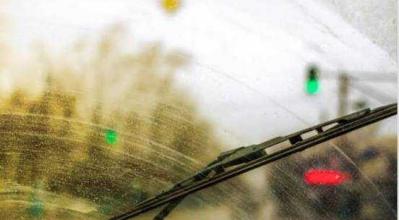
A dirty windshield does not just look dirty. At night, it turns every headlight into a glowing smear. The inside of the glass is usually the worst part, because it builds up that weird invisible film from vents, dust, fingerprints, and whatever else lives inside a car.
Clean the inside properly. Not a lazy wipe with a gas station napkin. Really clean it.
The difference can be ridiculous.
Headlights on the driver’s own car are worth checking too. Cloudy, yellowed headlights scatter light in messy directions and make visibility worse. A cheap restoration kit can make the car easier to drive at night and less annoying for everyone else on the road.
Some people swear by yellow-tinted night-driving glasses. Others say they do nothing. The truth is somewhere in the middle. They may help certain drivers, especially with glare in rain or fog, but they are not magic. Try a cheap pair before buying anything expensive.
And if someone behind the car is clearly driving around with high beams on, there is no need to start a war. A quick light tap on the brake pedal can flash the brake lights just enough to get attention. Not a brake check. Not a threat. Just a reminder.
Sometimes people really do not realize how obnoxious their lights are. Sometimes they do, which is another issue entirely.
The Worst Part? This Is Probably Not Going Away Soon
LED headlights are not disappearing. Automakers like them. Buyers like the way they look. They help drivers see farther. They fit the sharp, expensive face of modern cars.
The problem is that what looks great from inside one vehicle can be miserable for everyone outside it. That is the part the industry still has not fully solved.
Better adaptive headlights should help eventually, once they become more common. But until then, night driving is going to keep feeling harsher than it used to, especially for people in smaller, lower cars. So no, drivers are not imagining it. Headlights really have become brighter, colder, sharper, and more badly positioned for the real world most people drive in.
The best defense for now is boring but useful: clean the windshield, check the mirror, restore cloudy headlights, and avoid staring directly into the light. Because apparently, driving home after dinner now comes with a free eye exam.