
The Real Reason American Pickup Trucks Got Massive, and Why Small Ones Are Basically Illegal Now
by AutoExpert | 1 June, 2026
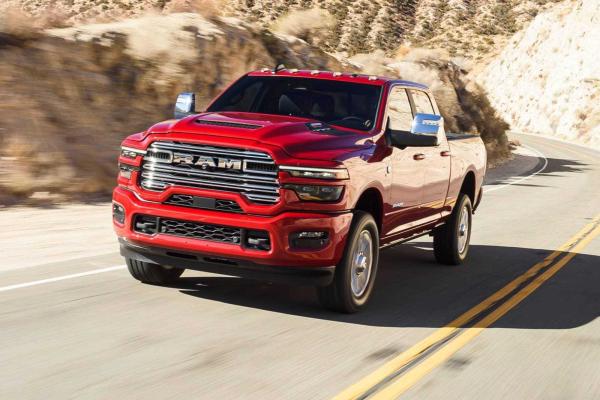
Pull up a photo of a 1995 Ford Ranger and park it next to a 2026 Ranger. You'll do a double take. The new one is over four feet longer, almost a foot taller, and roughly the same size the F-150 used to be. The Toyota Tacoma has put on about 1,200 pounds since the early 2000s. The Chevrolet Colorado, the Nissan Frontier, every "small" pickup on a US dealer lot today, they've all ballooned compared to their old selves.
If you've ever wondered why are pickup trucks so big now, the answer isn't really about what buyers wanted. It's about a federal fuel economy rule that almost nobody outside the auto industry has ever heard of.
Why Are Pickup Trucks So Big? Start With the Footprint Rule
Back in 2011, the EPA and the National Highway Traffic Safety Administration rewrote the way the country's Corporate Average Fuel Economy rules work. Before that, every automaker had a single fleet-wide MPG target. Build small efficient cars and you got rewarded. After 2011, the rule was switched to a footprint based system. A vehicle's "footprint" is just the rectangle you get when you multiply its wheelbase by its track width.
Here's the kicker. The bigger the footprint, the lower the fuel economy target.
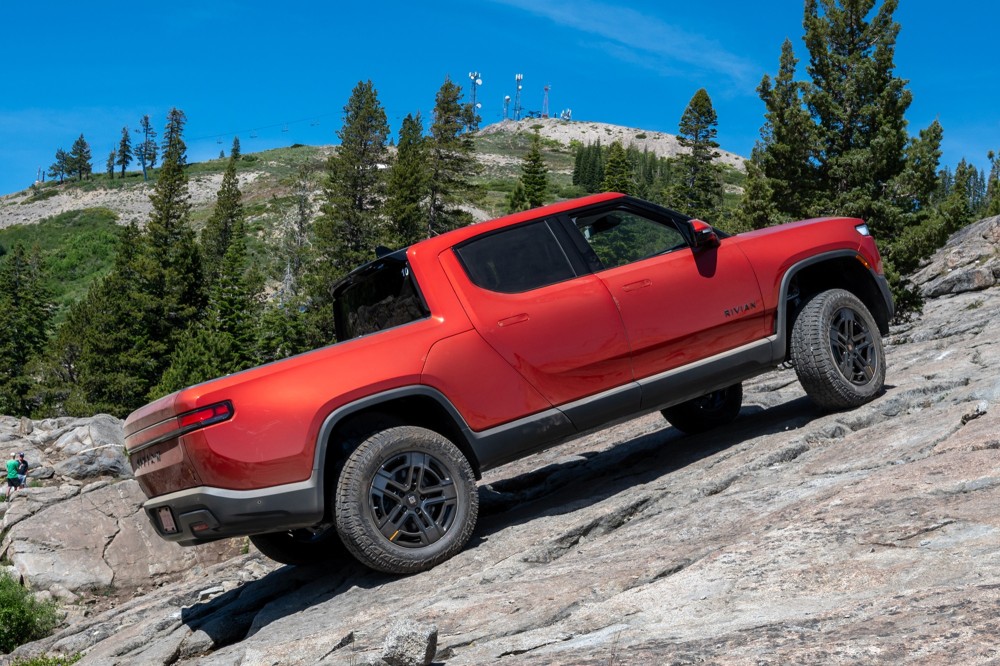
A small pickup with a 110 inch wheelbase has to hit a much tougher MPG number than a midsize one with a 135 inch wheelbase. Same engine, same buyer, but the bigger truck gets the easier grade. So automakers did the obvious thing. They started making trucks bigger on purpose to get better fuel economy scores, even though more truck almost always means more gas in real life.
Ford said the quiet part out loud in 2011 when it announced the redesigned global Ranger would not come to the US market. A true small truck could not meet the new compact-footprint MPG rules. When Ford eventually brought the Ranger back in 2019, it was a full size bigger than the one they killed off seven years earlier.
The Trucks That Got Killed Off
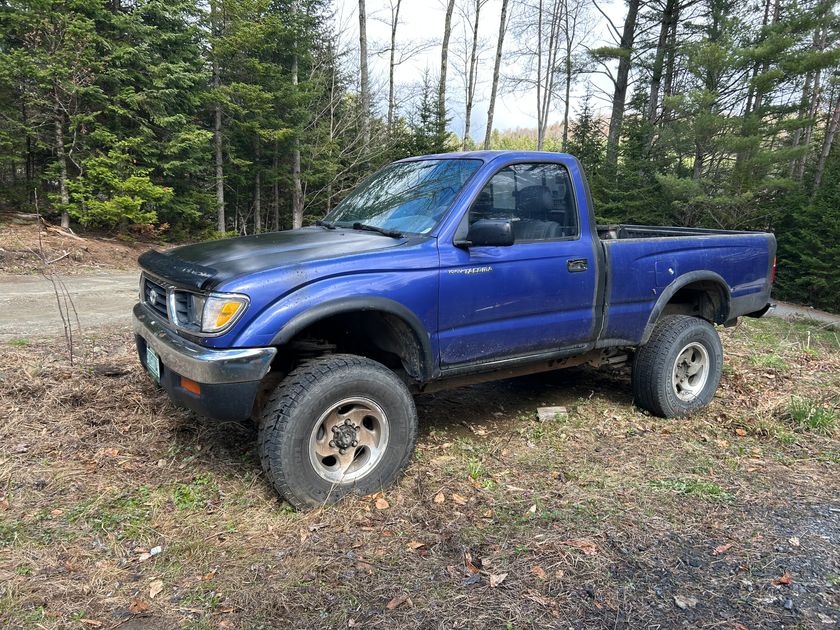
A real small pickup, the kind with a regular cab, a six foot bed, a four cylinder, and a sticker under $20,000, is essentially extinct in the US. The 1995 Toyota Tacoma was about 14.5 feet long and weighed roughly 3,000 pounds. The 2026 Tacoma is over 17 feet long and tips the scales at more than 4,800 pounds. That's a different category of vehicle.
The trucks that refused to grow didn't survive. The Chevy S-10, the original Ranger, the Mazda B-Series, the Dodge Dakota, all dead in the US for years. The compact pickup section of the showroom is a graveyard.
Why Other Countries Still Get Them
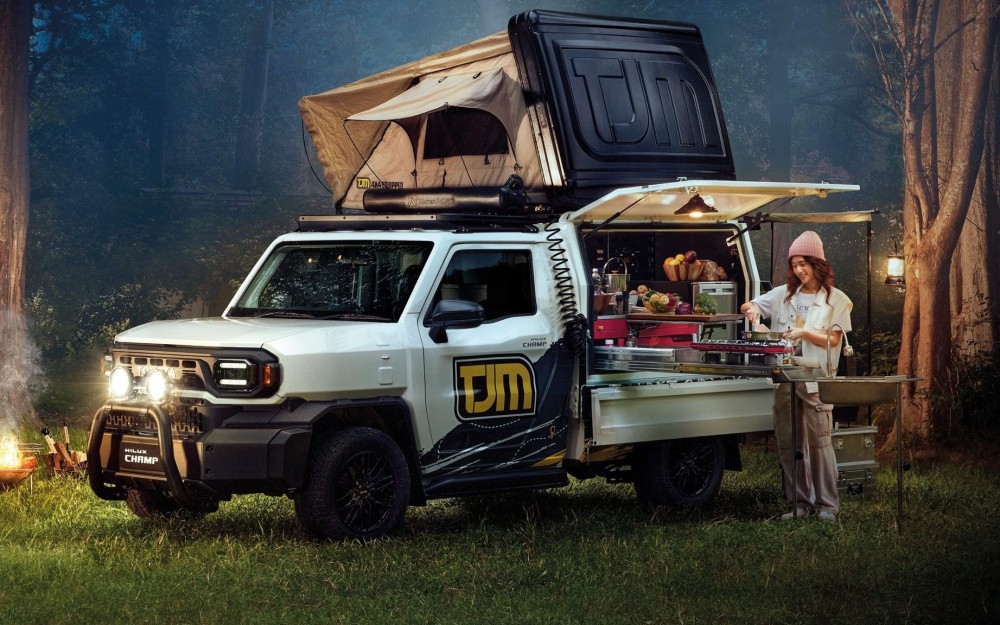
This is the part that stings. Walk into a Toyota dealer in Mexico City, Sydney, or Buenos Aires and you can buy a Hilux Champ, a tiny work truck about the size of an old Tacoma, brand new, with a small engine and a sticker well under $20,000 US. Same Toyota, just legally impossible to sell in America without redesigning it big enough to satisfy the footprint rule.
Could the Small Truck Ever Come Back?
There are flickers. Hyundai sells the Santa Cruz, which is technically a unibody truck and skirts some of the rules. Ford's Maverick has been a sales hit because it's the closest thing to a small truck the modern market allows. But neither one is what your grandfather would have called a true compact pickup. Both ride on car platforms and neither feels like a real work tool.
The real fix would be rewriting the footprint rule or carving out a separate work-truck category with a sensible MPG target. The auto industry is split on whether to push for it, because bigger trucks make more profit and dealers love selling them. So even though plenty of buyers admit the new pickups are too tall to load groceries into and too wide for old downtown parking, the trend isn't reversing soon.
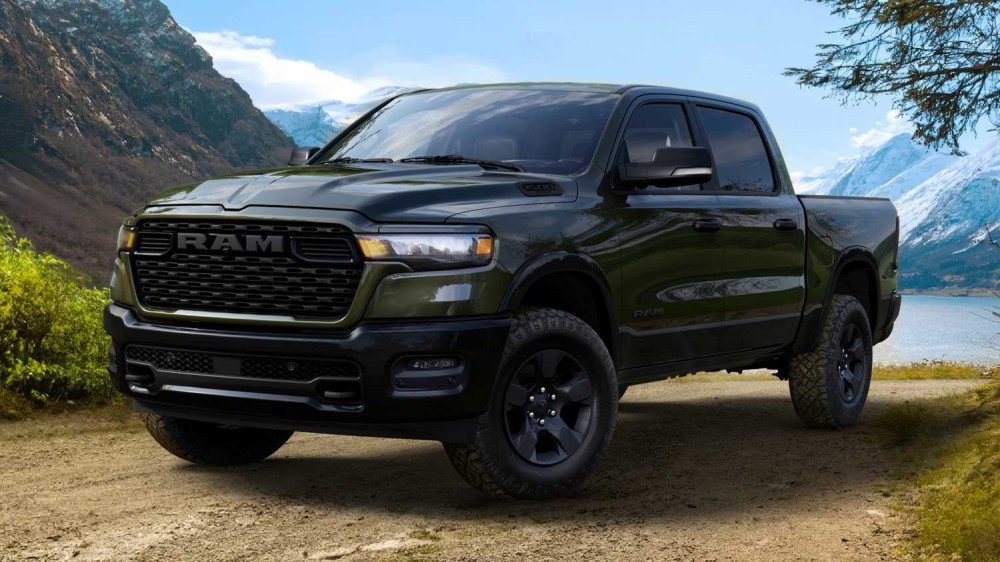
If you ever wonder why the truck behind you at a stoplight blocks out the sun, now you know. It's not really the buyers. It's a rule book nobody reads.