Ford’s 14 Percent Sales Slump Looks Scary. But Here’s What It Really Means If You’re Car-Shopping in 2026.
by AutoExpert | 12 June, 2026
Fourteen percent. That’s how far Ford’s May sales slid compared with last year. On paper it looks like a red warning light, 190,000 vehicles that never drove off the lot. Social feeds lit up with hot takes: “Dealers will start giving cars away!” “Prices are about to spike!” As usual, the truth hides somewhere in the boring middle. If you’re trying to decide whether to pull the trigger on a new ride, the nuance matters.
Ford’s dip isn’t a one-company meltdown. It’s a hangover. Back in February and March, buyers rushed showrooms ahead of looming tariffs. They bought now to dodge the next price hike, draining demand that would’ve shown up in May. The factory pipeline hasn’t caught its breath; nationwide inventory is still twenty-plus percent lower than a year ago, and the average new-car sticker is stubbornly parked around forty-nine grand. Fewer cars on lots, fewer buyers making deals, that’s the entire arithmetic behind Ford’s headline.
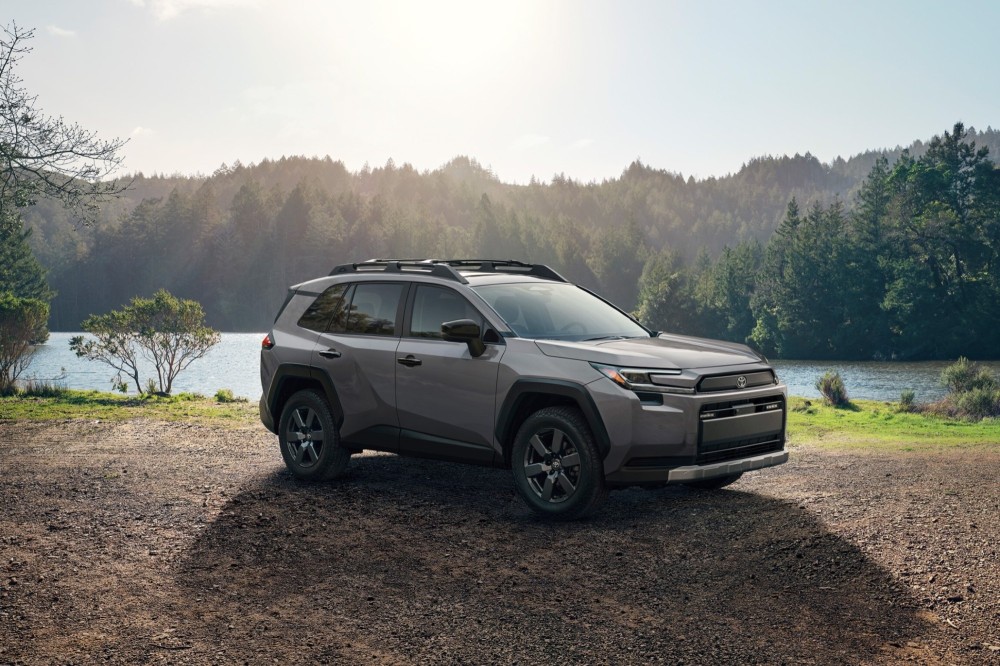
So where does that leave you, the shopper who’s sick of limping to work in a twelve-year-old compact?
If the current car is barely hanging on, waiting for some mythical “price crash” probably costs more in tow fees and therapy sessions than you’ll ever save on a future discount. Grab the vehicle that fits your life now, negotiate hard, and move on. Prices may soften later, but fuel pumps, timing belts, and missed soccer practices don’t care about macroeconomics.

If you can keep driving what you have a little longer, slide over to the used-car listings. The panic-pricing of 2021 and 2022 is fading; two- or three-year-old SUVs and sedans no longer command new-car money. Good, low-mileage examples sit inside a sweet spot where depreciation has done you a favor but wear and tear hasn’t piled up.
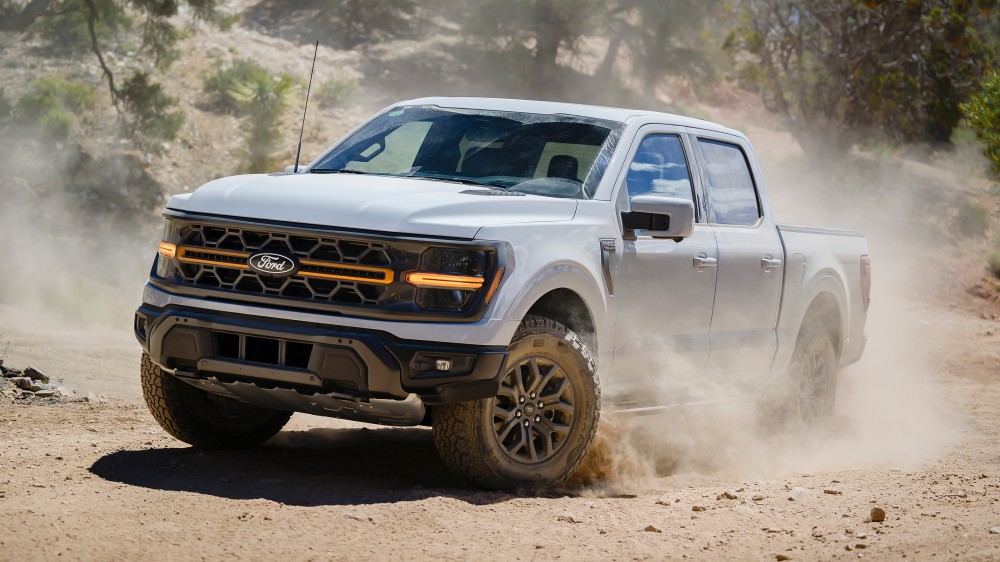
Dreaming of a shiny new F-150 or hot-selling crossover? Patience is the play. Dealers know exactly how few of those they have. Wait to see how the tariff math shakes out, or aim for late-summer when trucks that missed spring buyers start aging on the lot. Sales managers stare at “days in stock” metrics the way you stare at your checking account before payday. Once a unit creeps past sixty days, you suddenly have a seat at the bargaining table.
That bargaining table, by the way, depends as much on money you don’t spend - interest - as on money you do. Five-year loan rates climbed faster than your last cost-of-living raise. Walk in with a credit-union pre-approval and the entire tone of the conversation changes from “Can you afford the payment?” to “What can we do on price?”
Ford’s rough May isn’t doom. It’s a gauge telling us the market is settling after a chaotic sprint. If you know what you want, know what it’s worth, and know how you’ll finance it, there are deals hiding in plain sight, especially on cars the dealer has been babysitting a little too long. Do the homework, trust the math, ignore the noise, and the timing will take care of itself.