

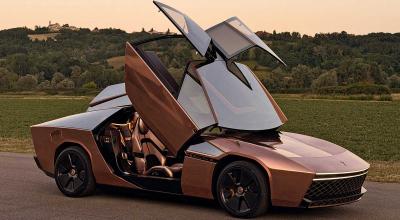
Someone looked at a Maserati GranTurismo and decided it needed a copper skin. Not copper-colored paint, actual copper, hammered by hand and shaped into a one-off body. The result is the Peralta D, the
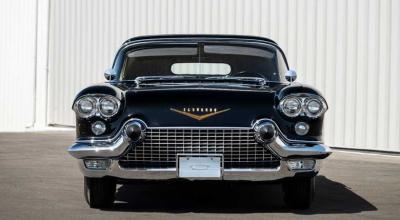
Imagine being told to destroy a car, only to discover decades later that keeping it could make automotive history. That’s essentially what happened to a remarkable 1956 Cadillac concept that Gen
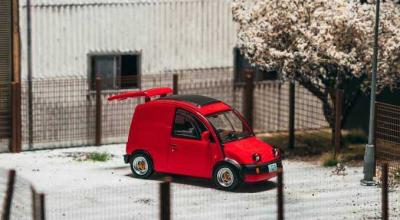
A delivery van usually gets noticed because it is blocking something. Nissan found another way: give it a face, a rounded shell and the proportions of a snail that has somewhere to be. The S-Cargo
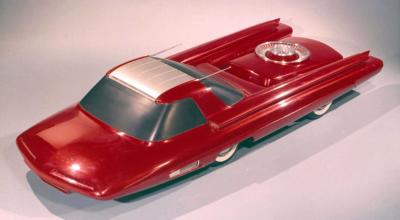
The Ford Nucleon looks as though someone moved the passengers forward to make room for a very important piece of luggage. Its cabin sits near the nose, leaving an enormous rear section between the fin
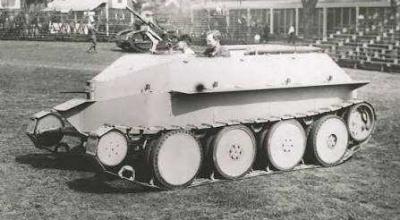
Before tanks had tracks, someone had to imagine that an engine, armor and heavy weapons might belong on the same vehicle. Frederick Richard Simms did more than imagine it. At the end of the 19th ce
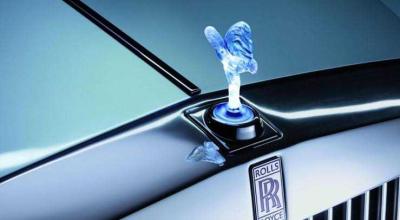
Long before carmakers filled dashboards with screens, an important piece of engine information was displayed outside the windshield. Early automobiles often carried their radiator filler caps at

Pulling into a gas station should not require advance planning. Yet anyone driving an unfamiliar car knows the little moment of uncertainty that arrives before choosing a pump. Which side is the fu
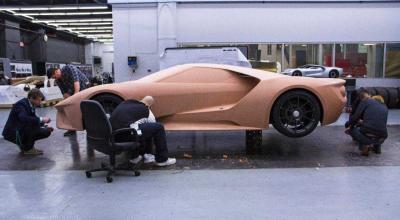
Inside a modern automotive design studio, there are enormous screens, virtual-reality headsets, laser scanners, 3D printers and computers capable of rendering a car so convincingly that its paint appe
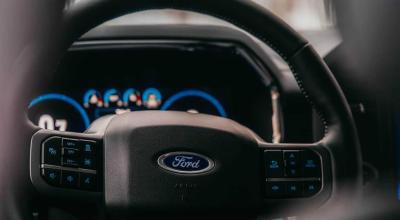
Drivers spend hours holding the steering wheel without giving much thought to what lies behind it. Remove the trim, switches and wiring, and the basic arrangement appears simple. A shaft carries th
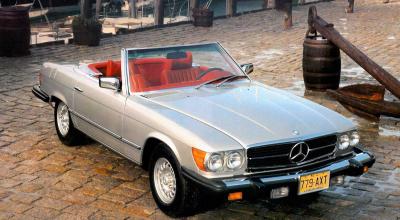
Look at an American car from 1971, then find the same model from 1974. The earlier car may have a slim chrome blade tucked neatly against its body. Three years later, the bumper appears to have lef